Pediatric Neurology
Our pediatric neurology unit treats nervous system disorders in children, including epilepsy, cerebral palsy, developmental delay and neuromuscular diseases.
Pediatric neurology is the specialty that performs the diagnosis, treatment, and follow-up of diseases related to the brain, spinal cord, nervous system, and muscles in the age group from the prenatal period to the end of adolescence. The nervous system is a complex structure that coordinates all bodily functions and manages the fundamental components of life such as movement, emotion, thought, learning, and behavior. Since the nervous system develops rapidly during childhood, it is of great importance to recognize and treat neurological problems that arise during this period in a timely manner.
Scope of Pediatric Neurology
The pediatric neurology department deals with a wide range of diseases such as epilepsy, cerebral palsy, neuromuscular diseases, developmental delays, headaches, movement disorders, neurometabolic diseases, neurogenetic syndromes, and central nervous system infections. Many clinical conditions, ranging from seizures and brain damage in the neonatal period to migraines and attention deficit in adolescence, fall under the expertise of this department.
In addition to treating diseases, pediatric neurologists adopt a holistic approach by evaluating the child's neuromotor development, cognitive capacity, and behavioral patterns. Early intervention programs, rehabilitation planning, and family counseling are also integral parts of the treatment process.
Common Childhood Neurological Diseases
Neurological diseases in childhood have a wide spectrum in terms of both prevalence and variety. Early diagnosis of these diseases directly affects treatment success and the child's quality of life.
- Epilepsy: It is the most common neurological disease of childhood. It is characterized by recurrent seizures resulting from abnormal electrical activity in the brain. There are different types such as absence seizures, focal seizures, generalized tonic-clonic seizures, and infantile spasms. A significant portion of childhood epilepsies can be controlled with appropriate treatment.
- Cerebral palsy: It is a movement and posture disorder caused by permanent damage to the developing brain. It can occur during the prenatal, perinatal, or postnatal period. Subgroups such as spastic, dyskinetic, ataxic, and mixed types are available.
- Febrile convulsions: These are seizures triggered by fever between the ages of six months and six years. They are mostly benign and do not leave permanent damage; however, they can be worrying for families and require proper management.
- Developmental delay and intellectual disability: This is a condition of lagging behind peers in motor, language, cognitive, and social development areas. It can be caused by genetic syndromes, metabolic diseases, and environmental factors.
- Attention deficit and hyperactivity disorder (ADHD): It is a neurodevelopmental disorder characterized by inattention, hyperactivity, and impulsivity. It can negatively affect academic success and social relationships.
- Autism spectrum disorder: It is a neurodevelopmental condition characterized by difficulties in social communication and interaction, as well as limited and repetitive behavioral patterns. Early diagnosis and intervention play a decisive role in the prognosis.
- Headaches: Migraine and tension-type headaches are common problems in children. If recurrent severe headaches are accompanied by visual disturbances and vomiting, a detailed neurological evaluation should be performed.
- Neuromuscular diseases: Muscle and neuromuscular junction diseases such as Duchenne muscular dystrophy, spinal muscular atrophy, and myasthenia gravis fall into this group. They can cause muscle weakness, difficulty walking, and respiratory problems.
- Neurometabolic diseases: Metabolic disorders such as phenylketonuria, lysosomal storage diseases, and mitochondrial diseases can affect the nervous system, leading to developmental delay, seizures, and movement disorders.
- Central nervous system infections: Meningitis and encephalitis are serious infections in children that require emergency intervention. Fever, headache, neck stiffness, altered consciousness, and seizures are the main symptoms.
Diagnostic Methods
In pediatric neurology, diagnosis begins with taking a detailed history and performing a comprehensive neurological examination. Developmental assessment, reflex tests, and muscle strength measurement are important components of the clinical examination.
- Electroencephalography (EEG): It is the primary neurological examination method that records the electrical activity of the brain. It is the gold standard in the diagnosis of epilepsy, determination of seizure type, and monitoring of treatment response. It has different applications such as routine EEG, sleep EEG, and long-term video-EEG monitoring.
- Magnetic resonance imaging (MRI): It is used for detailed imaging of the brain and spinal cord structure. Structural anomalies, tumors, demyelinating diseases, and vascular pathologies can be detected with MRI. It may need to be performed under sedation in children.
- Computed tomography (CT): It is preferred for rapid evaluation in emergency situations, especially in cases of suspected head trauma and hemorrhage.
- Electromyography (EMG) and nerve conduction studies: These are applied to evaluate muscle and nerve functions in the diagnosis of neuromuscular diseases.
- Genetic tests: They offer the possibility of diagnosis at the molecular level in neurogenetic diseases, metabolic disorders, and developmental anomalies. Chromosome analysis, microarray analysis, and next-generation sequencing methods are used.
- Metabolic screening tests: Measurement of metabolic markers in blood and urine is important in the diagnosis of neurometabolic diseases. Tandem mass spectrometry and organic acid analysis are frequently used methods.
- Lumbar puncture: It is performed for the examination of cerebrospinal fluid in central nervous system infections. Pressure measurement, cell count, biochemical, and microbiological analyses are performed.
- Neuropsychological tests: These are the evaluation of cognitive functions, attention, memory, and executive functions with standardized tests. They assist in the diagnosis of ADHD and learning disabilities.
Treatment Approaches
In pediatric neurology, treatment is planned according to the type and severity of the disease and the individual characteristics of the child. A multidisciplinary team approach increases treatment success.
Drug therapy: Antiepileptic drugs are used in epilepsy, stimulant and non-stimulant agents in ADHD, and prophylactic and acute treatment protocols are applied for headaches. Drug selection, dosage adjustment, and side effect monitoring in children require special attention. While monotherapy is preferred, combination therapy can be planned in resistant cases.
Rehabilitation and physiotherapy: Physical therapy, occupational therapy, and speech therapy are the fundamental components of treatment in cerebral palsy and neuromuscular diseases. Rehabilitation programs started in the early period can significantly increase the child's functional capacity.
Special education and behavioral intervention: Structured education programs, applied behavior analysis, and social skills training are applied in autism spectrum disorder and developmental delays.
Neurosurgical treatment: Surgical treatment options are evaluated in drug-resistant epilepsy. Vagal nerve stimulation and ketogenic diet are among the alternative treatment methods.
Genetic counseling: Providing genetic counseling to the family in hereditary neurological diseases and informing them about the recurrence risk of the disease and prenatal diagnosis options is an important part of the treatment.
When to Consult a Pediatric Neurologist?
A pediatric neurology specialist should be consulted when any of the following situations are observed:
- Seizures or seizure-like attacks, loss of consciousness, or momentary freezing
- Delay in motor development milestones (head control, sitting, walking)
- Delay in speech and language development
- Muscle weakness, balance disorders, or coordination problems
- Recurrent or severe headaches
- Learning difficulties and academic failure
- Inattention, hyperactivity, or impulsivity
- Significant difficulties in social communication and interaction
- Involuntary movements, tics, or tremors
- Neurological complaints related to vision or hearing
- Signs of regression (loss of acquired skills)
Importance of Early Diagnosis
In childhood neurological diseases, early diagnosis is the most critical factor directly affecting treatment success. Interventions made in the first years, when brain development is most rapid, yield much more effective results thanks to neuroplasticity. Rehabilitation, special education, and medical treatment started in the early period significantly increase the child's quality of life by maximizing their functional capacity.
Families should closely monitor their children's developmental milestones and have them evaluated by a specialist without delay if they notice any delay or abnormality. Regular child health check-ups play a critical role in the early detection of developmental problems.
Why Koru Hospital?
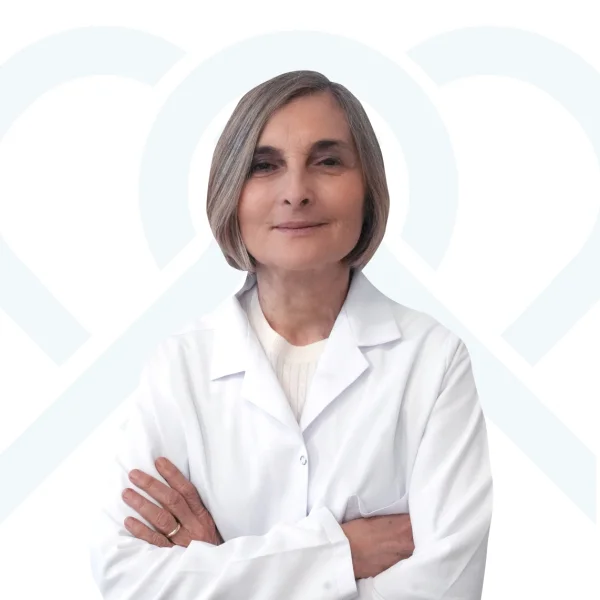
The Koru Hospital pediatric neurology department offers comprehensive solutions to the neurological problems of pediatric patients with its experienced specialist physicians. Thanks to our advanced EEG laboratory, state-of-the-art imaging facilities, and multidisciplinary teamwork, the most accurate diagnosis and most effective treatment are provided to our patients. A holistic approach is adopted by working in coordination with pediatric psychiatry, physical therapy, special education, and genetics departments.
With our patient and family-oriented service approach at our hospital, we are with you at every stage from your child's diagnosis process to treatment and follow-up. Our families are provided with detailed information about the disease, and their active participation in the treatment process is supported.
At Koru Hospital Pediatric Neurology department, our specialist physicians are by your side, applying the most up-to-date diagnostic and treatment methods for your child's nervous system health. You can contact us to make an appointment and obtain detailed information.
Our Doctors
Çocuklarda sinir sistemi hastalıklarında deneyimli nörologlarımız