Cardiology
The cardiology unit provides interventional and clinical cardiology services including coronary angiography, stenting, heart failure and arrhythmia treatment.
Cardiology is a medical specialty originating from internal medicine that deals with the diagnosis, treatment, and prevention of diseases of the heart and circulatory system. Cardiovascular diseases, which are among the leading causes of death worldwide, can be brought under control with early diagnosis and appropriate treatment. The Department of Cardiology at Koru Hospital offers comprehensive services for your heart health with its specialized medical staff, advanced imaging technologies, and interventional cardiology laboratory.
Scope of the Cardiology Department
The cardiology department undertakes the treatment of all diseases related to the heart and circulatory system through medication and interventional methods. Conditions requiring surgical intervention are managed in coordination with the cardiovascular surgery department. The main service areas of the department are:
- Diagnosis and treatment of coronary artery disease: Management of angina pectoris, myocardial infarction, and chronic coronary syndromes
- Heart failure management: Medical and device therapy for systolic and diastolic heart failure
- Arrhythmia diagnosis and treatment: Treatment of heart rhythm disorders via electrophysiological study and ablation
- Evaluation of valvular diseases: Echocardiographic diagnosis and treatment planning
- Hypertension management: Diagnosis, treatment, and target organ damage screening for high blood pressure
- Preventive cardiology: Cardiovascular risk assessment and control of risk factors
- Interventional cardiology: Coronary angiography, stent implantation, and catheter-based treatment of structural heart diseases
Common Cardiovascular Diseases
Coronary artery disease (CAD): It is the narrowing or blockage of the coronary arteries that supply the heart due to atherosclerosis. It is the most common heart disease in our country and worldwide. Chest pain triggered by exertion (angina pectoris) is its most typical symptom. In case of complete occlusion of a coronary artery, acute myocardial infarction (heart attack) develops, which requires emergency intervention. Risk factors include smoking, diabetes, hypertension, high cholesterol, obesity, a sedentary lifestyle, and a family history of early-onset heart disease.
Hypertension (high blood pressure): It is the condition where blood pressure consistently remains at or above 140/90 mmHg. Often progressing silently without symptoms, hypertension can lead to heart failure, kidney damage, stroke, and coronary artery disease if left untreated. Affecting approximately one-third of the population, this disease is known as the silent killer. It can be effectively controlled through lifestyle changes and antihypertensive medications.
Heart failure: It is the inability of the heart to pump enough blood to meet the body's needs. Shortness of breath, difficulty breathing that worsens especially when lying down, swelling in the legs and ankles, and reduced exercise capacity are the primary symptoms. There are two main types: heart failure with reduced ejection fraction (HFrEF) and heart failure with preserved ejection fraction (HFpEF). Quality of life and survival can be significantly improved with modern drug therapies and device treatments (CRT, ICD).
Heart rhythm disorders (arrhythmias): These occur when the heart beats too fast, too slow, or irregularly. The main types of arrhythmias are:
- Atrial fibrillation (AF): The most common persistent rhythm disorder. It causes irregular and rapid contraction of the heart atria. It increases the risk of stroke by 5 times and requires anticoagulant therapy.
- Supraventricular tachycardia (SVT): A rapid heartbeat originating from the upper chambers of the heart. It causes palpitations, dizziness, and a feeling of discomfort in the chest.
- Ventricular tachycardia and fibrillation: Serious, life-threatening rhythm disorders. They require emergency intervention and defibrillation.
- Bradycardia and heart blocks: A slower than normal heartbeat. In severe cases, a pacemaker may be required.
Heart valve diseases: Stenosis or regurgitation can develop in any of the heart's four valves (mitral, aortic, tricuspid, pulmonary). Rheumatic heart disease is still a significant cause of valve disease in our country. Degenerative valve diseases increase in frequency with aging. Valve functions are evaluated in detail via echocardiography.
Cardiomyopathies: Structural and functional disorders of the heart muscle. Dilated cardiomyopathy, hypertrophic cardiomyopathy, and restrictive cardiomyopathy are the main types. They can be caused by genetic factors, infections, toxins, and systemic diseases.
Pericarditis and myocarditis: Inflammation of the heart lining (pericardium) and the heart muscle (myocardium). Viral infections are the most common cause. They may present with symptoms of chest pain, fever, and heart failure.
Pulmonary hypertension: Increased pressure in the lung arteries. It can lead to shortness of breath, exercise limitation, and right-sided heart failure.
Diagnostic Methods
The Koru Hospital Cardiology Department uses the latest technologies for the early and accurate diagnosis of heart diseases:
- Electrocardiography (ECG): Recording the electrical activity of the heart. It is the first-line method for diagnosing arrhythmias, ischemia, and infarction.
- Echocardiography: Real-time imaging of the heart using ultrasound. It evaluates the size of heart chambers, contraction strength, valve functions, and pericardial fluid accumulation. There are two types: transthoracic and transesophageal echocardiography.
- Exercise stress test: Recording an ECG while exercising on a treadmill or stationary bike. It is used in the diagnosis of coronary artery disease and the evaluation of exercise capacity.
- Holter monitoring: Continuous ECG recording for 24-48 hours. It is an indispensable method for detecting intermittent rhythm disorders.
- Ambulatory blood pressure monitoring: Accurate evaluation of hypertension is ensured by a portable device that measures blood pressure at regular intervals over 24 hours.
- Coronary angiography: Imaging of coronary arteries with contrast dye in the cardiac catheterization laboratory. The location and severity of narrowings and blockages are determined precisely.
- Coronary CT angiography: A non-invasive method for evaluating coronary arteries using computed tomography. It is used to rule out coronary artery disease in low-to-moderate risk patients.
- Myocardial perfusion scintigraphy: Evaluation of blood flow to the heart muscle using nuclear medicine methods.
- Cardiac MRI: Detailed imaging of the structure and function of the heart muscle using magnetic resonance. It is the gold standard for diagnosing cardiomyopathies and myocarditis.
Treatment Methods
Medical treatment: Most heart diseases can be controlled with medication. Antihypertensive drugs, anti-ischemic agents, antiarrhythmic drugs, anticoagulants, statin-group cholesterol-lowering drugs, and heart failure medications are the most commonly used drug groups. Koru Hospital cardiologists apply the most current treatment protocols in line with evidence-based medicine principles.
Interventional cardiology procedures:
- Percutaneous coronary intervention (PCI): Application of balloon angioplasty and stent implantation to narrowings detected during coronary angiography. Drug-eluting stents have significantly reduced the risk of restenosis.
- Primary PCI: Emergency opening of a blocked coronary artery in acute myocardial infarction. It is the gold standard treatment and saves lives when performed within minutes.
- Electrophysiological study and ablation: Identifying the source of rhythm disorders and eliminating them via radiofrequency or cryoablation.
- Pacemaker implantation: Implantation of a permanent pacemaker for heart blocks and severe bradycardia.
- ICD (implantable cardioverter-defibrillator): Implantation of a device that prevents sudden cardiac death in life-threatening ventricular arrhythmias.
- CRT (cardiac resynchronization therapy): Device therapy that corrects the synchronization of heart contractions in advanced heart failure.
Lifestyle changes and rehabilitation: These are an integral part of cardiological treatment. Smoking cessation, regular physical activity, healthy nutrition, weight control, and stress management are critical in both the treatment and prevention of heart diseases. Cardiac rehabilitation programs support patients in returning to their daily lives safely after a heart attack or surgery.
When Should You Consult a Cardiologist?
- Chest pain, or a feeling of pressure or tightness in the chest
- Shortness of breath, especially difficulty breathing that increases with exertion
- Palpitations, irregularity, or racing of the heartbeat
- Fainting (syncope) or feeling faint (presyncope)
- Swelling in the legs and ankles
- High blood pressure or high cholesterol levels
- Family history of early-onset heart disease or sudden cardiac death
- Presence of risk factors such as diabetes, obesity, or a sedentary lifestyle
- Routine cardiovascular screening for those over 40
- Cardiological evaluation before starting sports
Why Koru Hospital Cardiology Department?
The Koru Hospital Cardiology Department works to protect and treat patients' heart health with a wide range of services from preventive cardiology to interventional procedures. We offer 24/7 emergency cardiological care with an advanced cardiac catheterization laboratory, a non-invasive cardiology unit, and a coronary intensive care unit.
In cases of acute myocardial infarction, our hospital maintains a door-to-balloon time below international standards, ensuring that patients having a heart attack are treated as quickly as possible. Our experienced cardiologists evaluate each patient individually to create evidence-based, personalized treatment plans.
Comprehensive check-up programs are implemented in our hospital as part of cardiovascular risk assessment. The development or progression of heart diseases can be prevented through early diagnosis and preventive treatment.
Our cardiology nursing team informs and supports patients at every stage of the treatment process. Acute coronary syndrome patients are followed at the highest standards with 24/7 monitoring in the coronary intensive care unit. Continuous support regarding medication adherence and lifestyle changes is provided through post-discharge follow-up programs.
In the Koru Hospital Cardiology department, our specialist physicians are by your side, guided by the latest scientific data, to protect and treat your cardiovascular health. You can contact us to make an appointment and obtain detailed information for your heart health.
Our Doctors
Kalp hastalıklarının tanı ve tedavisinde deneyimli kardiyologlarımız
Prof. Dr. Mustafa Özkan
Cardiology Specialist Koru Ankara Hastanesi
Doç. Dr. Cihan Dündar
Cardiology Specialist Koru Kavaklıdere Hastanesi
Doç. Dr. Murat Ünlü
Cardiology Specialist Koru Kavaklıdere Hastanesi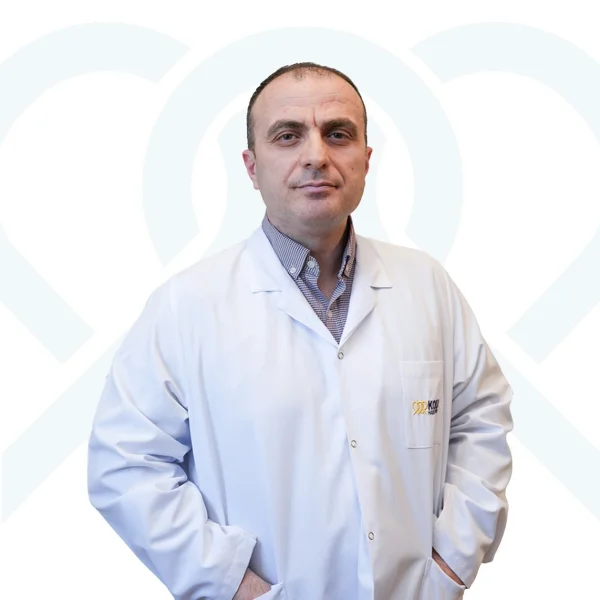
Uzm. Dr. Yusuf Hoşoğlu
Cardiology Specialist Koru Sincan Hastanesi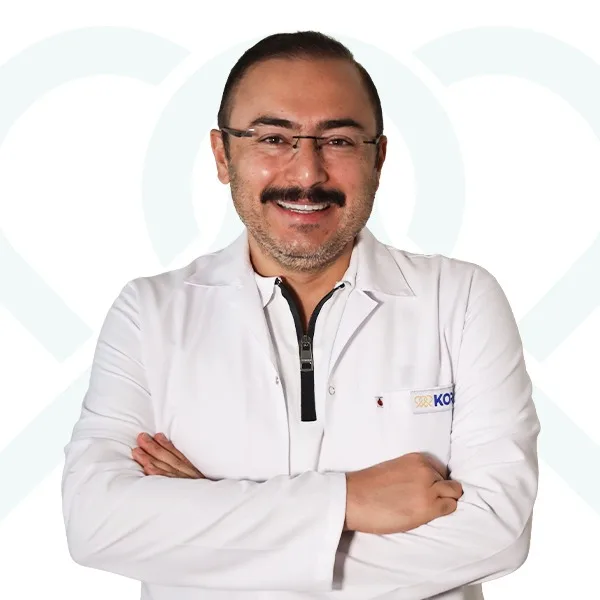
Prof. Dr. Gökhan Çiçek
Cardiology Specialist Koru Ankara Hastanesi