General Surgery
Our general surgery unit offers comprehensive treatment for thyroid, breast, abdominal organ diseases and hernias with open and laparoscopic surgical techniques.
General surgery is one of the fundamental medical specialties covering the surgical treatment of diseases in many parts of the body, primarily the intra-abdominal organs. The diagnosis and treatment of surgical diseases of organs such as the stomach, intestines, liver, gallbladder, pancreas, spleen, thyroid, and breast fall within the scope of general surgery. The General Surgery Department of Koru Hospital provides safe and effective surgical treatment services to its patients with modern surgical techniques and an expert physician staff.
Scope of General Surgery
General surgery is one of the broadest surgical branches of medicine. A wide range of services is provided, from emergency surgical conditions to elective surgeries, and from simple skin lesions to complex intra-abdominal operations. General surgery specialists offer their patients the most appropriate treatment option by effectively using both open surgery and laparoscopic (minimally invasive) surgery methods.
Today, minimally invasive surgical techniques have gained great importance in the field of general surgery. Thanks to laparoscopic and robotic surgery methods, patients are operated on with smaller incisions, postoperative pain is reduced, the length of hospital stay is shortened, and the return to daily life is accelerated.
Abdominal Wall Hernias
Abdominal wall hernias are among the most frequently performed surgeries in general surgery practice. This group includes inguinal hernia, umbilical hernia, incisional hernia (occurring after surgery), and hernias formed from other weak points of the abdominal wall.
- Inguinal hernia: It is the most common type of hernia in men. It manifests itself with swelling, pain, and a feeling of discomfort in the groin area. It is repaired using a mesh via open or laparoscopic methods.
- Umbilical hernia: It occurs due to the weakening of the abdominal wall around the navel. It is more common in women and obese individuals.
- Incisional hernia: These are hernias that develop at the site of a previous surgical incision. Treatment involves repair using a mesh via open or laparoscopic methods.
Delaying hernia treatment can lead to emergency situations such as bowel obstruction and strangulated hernia. Therefore, it is recommended to plan surgical treatment once a hernia diagnosis is made.
Gallbladder Diseases and Cholecystectomy
Gallstone disease is a very common health problem in the community. Gallstones can manifest with symptoms such as pain attacks in the right upper quadrant of the abdomen, nausea, vomiting, and intolerance to fatty foods. It can lead to serious complications such as acute cholecystitis (gallbladder inflammation), bile duct obstruction, and pancreatitis.
Laparoscopic cholecystectomy is the gold standard method for gallbladder surgery. The gallbladder is removed with the help of a camera and special instruments through 3-4 small incisions in the abdominal area. Patients are usually discharged on the same day or the next day after surgery. Compared to the open surgical method, it provides less pain, smaller scars, and a faster recovery process.
Appendicitis and Appendectomy
Acute appendicitis is one of the most common intra-abdominal diseases requiring emergency surgical intervention. Typical symptoms include pain starting around the navel and spreading to the lower right abdomen, nausea, vomiting, loss of appetite, and fever. Laparoscopic appendectomy is accepted as the standard surgical approach in its treatment today. Early intervention prevents the perforation of the appendix and the formation of intra-abdominal abscesses.
Thyroid and Parathyroid Surgery
Thyroid gland diseases constitute an important subfield of general surgery. Thyroid nodules, goiter, thyroid cancer, and hyperthyroidism are conditions that may require surgical treatment. Thyroid surgeries require high experience and precision because the nerves controlling the vocal cords and the parathyroid glands that regulate calcium metabolism are located around the thyroid gland.
- Multinodular goiter: The formation of multiple nodules in the thyroid gland. The decision for surgery is made based on the size and the presence of suspicious nodules.
- Thyroid cancer: It is the most common endocrine cancer. Treatment success is very high when caught at an early stage.
- Parathyroid adenoma: A benign tumor that causes the parathyroid gland to overwork (hyperparathyroidism). Surgical removal provides a definitive cure.
Breast Surgery
Breast diseases are a critical area of general surgery, especially in terms of women's health. Breast cancer is the most common type of cancer in women worldwide, and early diagnosis is life-saving. The General Surgery Department of Koru Hospital provides services for breast diseases with a multidisciplinary approach.
Breast-conserving surgery (lumpectomy) and mastectomy are surgical methods applied in the treatment of breast cancer. Sentinel lymph node biopsy prevents unnecessary axillary lymph node clearance. Breast cancer surgery is planned in coordination with oncology, radiotherapy, and plastic surgery.
Colorectal Surgery
Colon and rectum diseases constitute an important part of general surgery. Colorectal cancer, bowel obstruction, diverticular disease, inflammatory bowel diseases, and anorectal diseases are conditions that may require surgical treatment.
- Colorectal cancer surgery: Depending on the location of the tumor, right or left colon resection, sigmoid resection, or rectum resection is performed.
- Hemorrhoids (piles): Band ligation, sclerotherapy, and surgical hemorrhoidectomy methods are applied in the treatment of internal and external hemorrhoids.
- Anal fissure: These are painful cracks that form in the anal region. Surgical intervention may be required in cases that do not respond to medical treatment.
- Perianal abscess and fistula: These are infections and abnormal channel formations around the anus. Surgical drainage and fistula repair form the basis of treatment.
Stomach and Intestinal Surgery
Stomach cancer is one of the common types of cancer in our country. Surgical resection at an early stage forms the basis of treatment. Subtotal gastrectomy or total gastrectomy surgeries are planned according to the location and extent of the tumor. Emergency situations such as bowel obstructions, bowel perforation, and mesenteric ischemia are also among the scenarios frequently encountered in general surgery.
Liver, Biliary Tract, and Pancreas Surgery
Hepatopancreatobiliary surgery is one of the areas of general surgery that requires advanced expertise. Liver tumors, liver cysts, bile duct strictures, and pancreatic tumors are the primary diseases treated in this field. The Whipple procedure (pancreaticoduodenectomy) is a complex surgical procedure performed in the treatment of pancreatic head tumors.
Obesity Surgery (Bariatric Surgery)
Obesity surgery is accepted as an effective method in the treatment of morbid obesity. It is applied to individuals who have not been able to lose enough weight despite diet, exercise, and medical treatment, and who have a body mass index of 40 and above, or 35 and above with accompanying comorbidities.
- Sleeve gastrectomy: It is the process of reducing the stomach volume by removing approximately 80 percent of the stomach.
- Gastric bypass: It is a surgery that provides both a restrictive and malabsorptive effect by creating a small stomach pouch and rearranging the small intestine.
Laparoscopic and Minimally Invasive Surgery
Laparoscopic surgery is an indispensable part of today's general surgery practice. Surgeries performed with the help of a camera and special instruments through small incisions in the abdominal area offer many advantages over traditional open surgery. Less postoperative pain, smaller scars, shorter hospital stay, lower risk of infection, and a faster return to daily life are at the forefront of these advantages.
Emergency Surgical Conditions
General surgery is an integral part of emergency medicine. Conditions such as acute abdomen, bowel obstructions, internal bleeding, trauma, perforated organ injuries, and strangulated hernias may require emergency surgical intervention. The General Surgery team at Koru Hospital has the capacity for rapid and effective intervention in emergency situations.
Preoperative and Postoperative Process
Successful surgical treatment is possible with the proper management of preoperative preparation and postoperative care. Before surgery, comprehensive evaluation of patients, necessary laboratory and imaging tests, anesthesia consultation, and patient information are meticulously carried out. After surgery, pain control, wound care, nutritional programs, early mobilization, and complication monitoring are systematically conducted.
In the General Surgery department of Koru Hospital, our expert physicians adopt the most current surgical techniques and evidence-based medical practices to provide our patients with safe, effective, and comfortable surgical treatment services.
Our Doctors
Açık ve laparoskopik cerrahide deneyimli genel cerrahi ekibimiz

Prof. Dr. Oktay Banlı
General Surgery Specialist Koru Ankara Hastanesi
Prof. Dr. Vahit Onur Gül
General Surgery Specialist Koru Ankara Hastanesi
Op. Dr. Seda Bozkurt Kırım
General Surgery Specialist Koru Ankara Hastanesi
Doç. Dr. Serhat Ocaklı
General Surgery Specialist Koru Kavaklıdere Hastanesi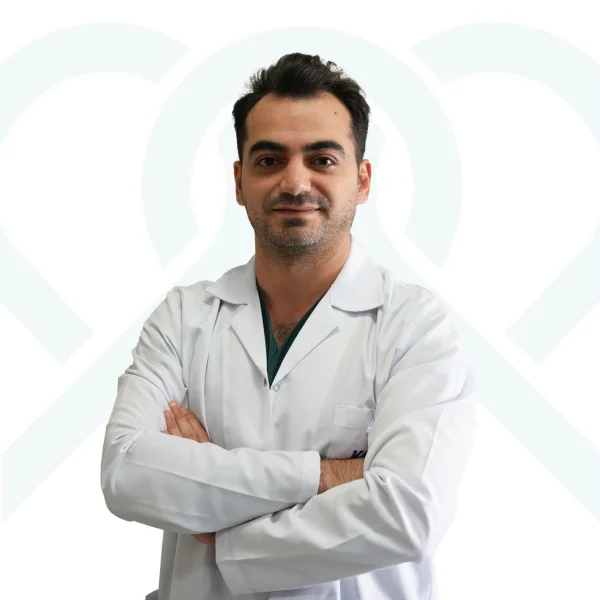
Uzm. Dr. Hakan Cem Yılmaz
General Surgery Specialist Koru Ankara Hastanesi