Dizziness and balance disorders are conditions that can be seen in every age group and significantly affect the quality of daily life. In a significant portion of patients, the source of dizziness lies in the balance system within the inner ear, namely the vestibular system. However, in patients presenting with complaints of dizziness, the underlying cause often cannot be clarified with a single examination because the balance system functions through the coordinated work of the inner ear, brainstem, cerebellum, visual system, and sensory nerves. Vestibular tests are of great importance for the accurate assessment of this complex structure and for developing an appropriate treatment plan for the patient.
What is a Vestibular Test?
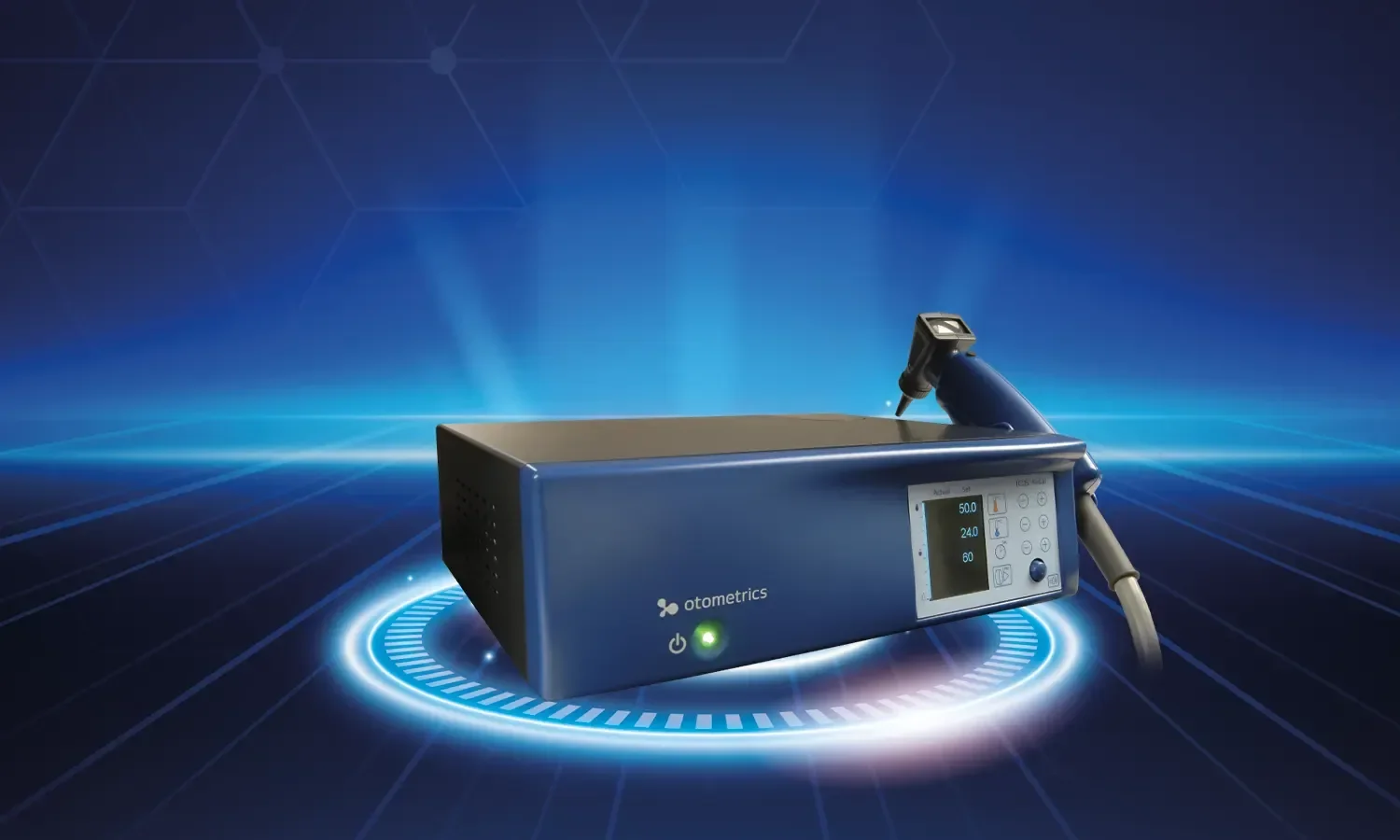
Vestibular test is the general name for advanced technology examinations that objectively measure the function of the balance organ in the inner ear and its connections with the central nervous system. It also allows for the evaluation of balance centers such as the brainstem and cerebellum. During the test, eye movements, head movements, and body position are recorded simultaneously; the findings obtained are analyzed via computer software. A modern vestibular test battery includes multiple sub-headings, each aimed at evaluating a different component of the balance system.
Working Principle
The semicircular canals in the inner ear perceive head movements and send signals to the brain. These signals work in coordination with the eye muscles to ensure visual stabilization. In vestibular tests, the inner ear is stimulated with various stimuli, and eye movements are recorded with high-precision cameras (videonystagmography - VNG). Asymmetric or insufficient responses of the system clearly reveal the location of the disease. In this way, inner ear-related diseases can be distinguished from brain-related diseases.
In Which Diseases Is It Used?
Vestibular tests play a critical role in the differential diagnosis of many diseases presenting with dizziness:
- Benign paroxysmal positional vertigo (BPPV): Short-term dizziness triggered by head movements
- Meniere's disease: A disease characterized by the disruption of fluid balance in the inner ear
- Vestibular neuritis: Viral infection of the balance nerve
- Acoustic neuroma: Benign tumors affecting the balance and hearing nerve
- Migraine-associated vertigo: Vestibular migraine
- Central nervous system diseases: Brainstem and cerebellum pathologies
- Age-related balance disorders: Presbivestibulopathy
- Post-traumatic balance problems
- Balance losses due to ototoxic drug use
- Unexplained chronic imbalance complaints
Advantages of the Test
The vestibular test offers a scientifically based and objective assessment opportunity for patients presenting with complaints of dizziness:
- Objective result: Measurable data is obtained, independent of the patient's subjective description.
- Localization capability: It becomes clear whether the problem is in the inner ear or the central nervous system.
- Guiding treatment: A medication, maneuver, or rehabilitation plan is created based on the results.
- Painless procedure: The tests are non-invasive and do not cause discomfort to the patient.
- Repeatability: It can be reapplied for follow-up purposes after treatment.
- Early diagnosis: It contributes to the early detection of serious pathologies such as acoustic neuroma.
- Monitoring treatment response: The effectiveness of vestibular rehabilitation processes can be monitored objectively.
- Patient confidence: Numerical results raise patient awareness and increase treatment compliance.
How Does the Treatment Process Proceed?
Before the test, a detailed history of the patient is taken; the nature, duration, frequency, and triggers of the dizziness are questioned. Accompanying symptoms such as nausea, vomiting, hearing loss, and tinnitus are evaluated. Subsequently, an ear-nose-throat examination and, if necessary, a hearing test are performed. Starting 48 hours before the test, sedatives and medications that may affect the balance system are discontinued with physician approval.
Test Phase
The patient is fitted with videonystagmography goggles. Evaluation is performed under sub-headings such as eye tracking tests, saccade tests, optokinetic tests, position tests, caloric stimulation, and vHIT (video head impulse test). The total duration is approximately 45-60 minutes. Temporary mild dizziness may be felt during the test; this passes in a short time and has no permanent effect on the body.
Evaluation of Results
The data obtained are interpreted together by the ear-nose-throat specialist and the audiologist, and an appropriate treatment plan is created for the patient. Treatment options may include medication, repositioning maneuvers such as Epley or Semont for BPPV, or personalized vestibular rehabilitation exercises.
Points to Consider
To ensure high test reliability, some points must be considered:
- It is recommended to fast for 4 hours before the test; this reduces the risk of nausea.
- Eye makeup and contact lenses should not be used.
- Sedatives, antihistamines, and alcohol should be discontinued 48 hours in advance.
- Comfortable clothing should be preferred during the test.
- Chronic neck or back conditions should be reported to the physician before the test.
- It is recommended to have an attendant present after the test.
- Regularly used medications must be reported to the physician.
- In the presence of severe headache or migraine attack, the test may be postponed.
Treatment Options After Vestibular Test
Treatment approaches determined according to vestibular test results vary depending on the underlying pathology of the patient. In position-related dizziness such as BPPV, repositioning maneuvers like Epley or Semont provide immediate relief in most patients. In balance losses that develop after vestibular neuritis, the goal is for the brain to recalibrate the balance system through vestibular rehabilitation exercises. In Meniere's disease, diuretic treatments, salt restriction, and in resistant cases, intratympanic injections can be applied.
Vestibular Rehabilitation Program
Vestibular rehabilitation consists of special exercise programs conducted under the supervision of a physiotherapist that train the balance system. This program includes eye movement, head movement, balance, and walking exercises. The effectiveness of the program can be monitored objectively with vestibular tests. Early initiated rehabilitation accelerates the recovery process by utilizing brain plasticity. Rehabilitation is of great importance for reducing the risk of falls in elderly patients and for a quick return to work and social life in younger patients.
As Koru Hospital, we offer a comprehensive assessment opportunity to our patients presenting with dizziness and vertigo complaints using state-of-the-art vestibular test devices. With our experienced ear-nose-throat specialists and audiology team, we accurately identify the true cause of our patients' dizziness. Thanks to our multidisciplinary approach, we develop personalized treatment plans for each patient by working in coordination with neurology, physical therapy, and, when necessary, ophthalmology; we provide services at international standards with our modern videonystagmography laboratory, vHIT device, and caloric test unit. As Koru Hospital, we are honored to stand by you for the accurate diagnosis and effective treatment of your dizziness complaints that negatively affect your quality of life.