Orthopedics and Traumatology
In the orthopedics and traumatology unit, modern surgical methods are applied to treat fractures, dislocations, joint prostheses, arthroscopic surgery and sports injuries.
Orthopedics and traumatology is a comprehensive surgical specialty concerned with the diagnosis, treatment, and rehabilitation of musculoskeletal system disorders. Covering all components of the movement system such as bones, joints, muscles, tendons, ligaments, and nerves, this branch provides services across a wide spectrum, ranging from congenital anomalies to trauma-related injuries, and from degenerative diseases to tumoral formations. The Koru Hospital Department of Orthopedics and Traumatology aims to maximize patients' quality of life through current surgical techniques and a multidisciplinary approach.
Scope of Orthopedics and Traumatology
Orthopedics and traumatology deals with the health of all structures that make up the human body's movement system. This field is not limited to the treatment of fractures and dislocations but also encompasses many sub-specialties such as joint degeneration, spinal diseases, sports injuries, hand surgery, tumor surgery, and pediatric orthopedics. The fundamental philosophy of modern orthopedics is to ensure that the patient returns to their daily life activities as quickly as possible and with the highest functional capacity.
Musculoskeletal system diseases are extremely common in society. Especially with an aging population, the frequency of osteoarthritis, osteoporosis, and degenerative spinal diseases is increasing significantly. In addition, with the adoption of an active lifestyle, sports injuries also constitute a significant patient group. Orthopedic specialists offer this broad patient population a comprehensive range of treatments, from conservative therapies to advanced surgical interventions.
Joint Diseases and Arthroplasty
Joint diseases are among the most frequently encountered problems in orthopedics. Conditions such as osteoarthritis, rheumatoid arthritis, avascular necrosis, and post-traumatic arthritis lead to progressive destruction of the articular cartilage, causing pain, restricted movement, and loss of function. While conservative methods such as physical therapy, medication, and injection applications are preferred in early stages, surgical intervention becomes inevitable in advanced-stage diseases.
Arthroplasty, or joint replacement surgery, is one of the most successful surgeries in orthopedics. Knee replacement and hip replacement surgeries are performed on millions of patients worldwide and are noted for their high success rates. With the introduction of robot-assisted surgical systems, millimetric precision is achieved in prosthesis placement, which extends the life of the prosthesis and reduces the need for revision. Different surgical options such as partial knee replacement, total knee replacement, total hip replacement, and revision arthroplasty are planned in a personalized manner according to the patient's condition.
Spine Surgery
Spinal diseases hold an important place in orthopedic practice. Conditions such as cervical disc herniation, lumbar disc herniation, spinal stenosis, spondylolisthesis, scoliosis, and kyphosis negatively affect the quality of life of millions of people. Minimally invasive techniques are increasingly being applied in spine surgery, allowing surgeries to be performed through smaller incisions and shortening the patient's recovery time.
Microsurgical discectomy, endoscopic spine surgery, spinal fusion, and artificial disc applications are among the techniques frequently used in spine surgery. Especially in degenerative spinal diseases, spinal stability is restored using instrumentation systems and bone grafts. In deformity surgeries such as scoliosis, detailed pre-operative surgical strategies are determined using three-dimensional planning systems.
Sports Surgery and Arthroscopy
Sports injuries are common orthopedic problems, especially in the young and active population. Injuries such as anterior cruciate ligament (ACL) tears, meniscus tears, shoulder dislocations, rotator cuff tears, and Achilles tendon ruptures constitute the primary areas of interest in sports surgery. Arthroscopic surgery is accepted as the gold standard in the diagnosis and treatment of intra-articular pathologies.
Arthroscopy is a minimally invasive surgical technique performed via a small camera inserted into the joint. Knee, shoulder, elbow, wrist, and ankle arthroscopy are widely practiced. Thanks to this technique, procedures such as meniscus repair, ligament reconstruction, cartilage repair, and synovectomy are performed through small incisions, significantly shortening the patient's return-to-sport time. At Koru Hospital, surgical interventions are performed under high-resolution imaging using the latest generation arthroscopic systems.
Traumatology and Fracture Treatment
Traumatology is one of the most critical areas of orthopedics requiring emergency intervention. Fractures, dislocations, and soft tissue injuries resulting from traffic accidents, falls from heights, work accidents, and sports injuries fall within the scope of traumatology. The primary goal in fracture treatment is to ensure the bone heals in its anatomical position while preserving joint range of motion and functionality.
In modern traumatology, locking plate-screw systems, intramedullary nails, external fixators, and biological fixation methods are widely used. Periprosthetic fractures, in particular, require specialized surgical strategies. Since the risk of infection is high in open fractures, early surgical intervention and appropriate antibiotic therapy are of great importance. In complex traumas such as pelvic and acetabular fractures, surgical success rates are increased by performing surgical planning assisted by three-dimensional tomography.
Hand Surgery and Microsurgery
Hand surgery is one of the highly specialized sub-branches of orthopedics. Carpal tunnel syndrome, trigger finger, Dupuytren's contracture, tendon injuries, nerve lacerations, and hand fractures constitute the primary diseases of this field. Due to the complex anatomy of the hand, microsurgical techniques are frequently used in surgical interventions.
Replantation surgery is the process of reattaching a severed finger or hand and is one of the most dramatic applications of the microsurgery field. In addition, nerve repair, tendon transfer, and free tissue flap applications are important operations where microsurgical techniques are used. Hand rehabilitation is an integral part of surgical treatment, and exercise programs started in the early period significantly improve functional outcomes.
Pediatric Orthopedics
Musculoskeletal system diseases seen in children have different characteristics than those in adults. Congenital hip dislocation, clubfoot, scoliosis, bone dysplasias, and growth plate injuries are the primary areas of interest in pediatric orthopedics. Preserving growth potential and supporting the developmental process in pediatric patients are determining factors in treatment planning.
While developmental dysplasia of the hip can be successfully treated with conservative methods such as the Pavlik harness when diagnosed early, surgical intervention may be required in cases of late diagnosis. Since the remodeling capacity in childhood fractures is much higher than in adults, treatment strategies are shaped accordingly. In cases of leg length discrepancy and angular deformities, the child's growth potential is directed for treatment purposes using the guided growth method.
Orthopedic Oncology
Bone and soft tissue tumors, although rare, are serious diseases that require early diagnosis and appropriate treatment. In addition to primary bone tumors such as osteosarcoma, Ewing's sarcoma, chondrosarcoma, and giant cell tumors, metastatic bone disease also falls within the scope of orthopedic oncology. Treatment planning is determined by the decision of a multidisciplinary tumor council, and combinations of surgery, chemotherapy, and radiotherapy are applied.
Limb-salvage surgery is the fundamental principle of modern orthopedic oncology. Following the removal of tumoral tissue with wide surgical margins, reconstruction is performed using tumor prostheses or allografts. Thanks to this approach, amputation rates have decreased significantly, and patients' functional outcomes have improved.
Diagnostic Methods and Technology
In orthopedics and traumatology, accurate diagnosis is the most critical stage that directly affects the success of treatment. Conventional X-ray, computed tomography (CT), magnetic resonance imaging (MRI), ultrasonography, and bone scintigraphy are the most frequently used imaging methods. Electromyography and nerve conduction studies play an important role in the evaluation of peripheral nerve pathologies.
- Digital X-ray: The first-choice imaging method for the rapid evaluation of fractures, dislocations, and degenerative changes.
- MR imaging: Provides detailed evaluation of soft tissue pathologies, meniscus tears, ligament injuries, and cartilage damage.
- Computed tomography: Has critical importance in the three-dimensional evaluation of complex fractures and surgical planning.
- Bone densitometry (DEXA): The standard method used in the diagnosis and follow-up of osteoporosis.
- Arthroscopy: A minimally invasive method used for both diagnostic and therapeutic purposes.
Rehabilitation and Recovery Process
The success of orthopedic treatment is directly related to the quality of the rehabilitation process as well as the surgical intervention. Post-operative early mobilization, pain control, physical therapy, and gradual weight-bearing programs are the fundamental components of the recovery process. At Koru Hospital, rehabilitation protocols specific to each patient are created by working in coordination with physical therapy and rehabilitation specialists.
Accelerated recovery protocols following prosthesis surgery enable patients to stand up on the day of surgery and begin walking exercises in the early period. In sports injuries, return-to-sport criteria are determined in accordance with scientific protocols, preventing recurrent injuries that may be caused by an early and unsafe return. Follow-up of bone union after fracture treatment and functional exercise programs are also indispensable parts of the recovery process.
Koru Hospital Department of Orthopedics and Traumatology Services
- Joint replacement surgery: Total knee replacement, total hip replacement, shoulder replacement, and revision arthroplasty.
- Arthroscopic surgery: Knee, shoulder, elbow, and ankle arthroscopy.
- Spine surgery: Disc herniation, spinal stenosis, spondylolisthesis, and deformity surgery.
- Trauma surgery: Fracture fixation, dislocation reduction, and polytrauma management.
- Sports surgery: Ligament reconstruction, meniscus repair, and cartilage repair.
- Hand surgery: Carpal tunnel, tendon repair, nerve repair, and replantation.
- Pediatric orthopedics: Congenital hip dislocation, clubfoot, and growth disorders.
- Orthopedic oncology: Surgical treatment of bone and soft tissue tumors.
In the Koru Hospital Orthopedics and Traumatology department, our specialist physicians provide comprehensive diagnostic and treatment services to patients of all age groups with the most current surgical techniques and advanced technological equipment. With a multidisciplinary team approach, it is aimed to achieve the best clinical results by creating a treatment plan suitable for each patient's individual needs.
Our Doctors
Kemik, eklem ve kas hastalıklarında deneyimli ortopedi uzmanlarımız
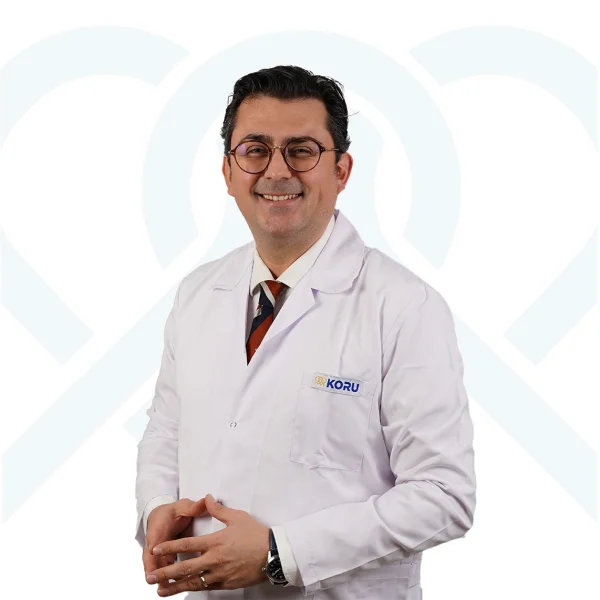
Prof. Dr. Mustafa Akkaya
Orthopedics and Traumatology Specialist Koru Ankara Hastanesi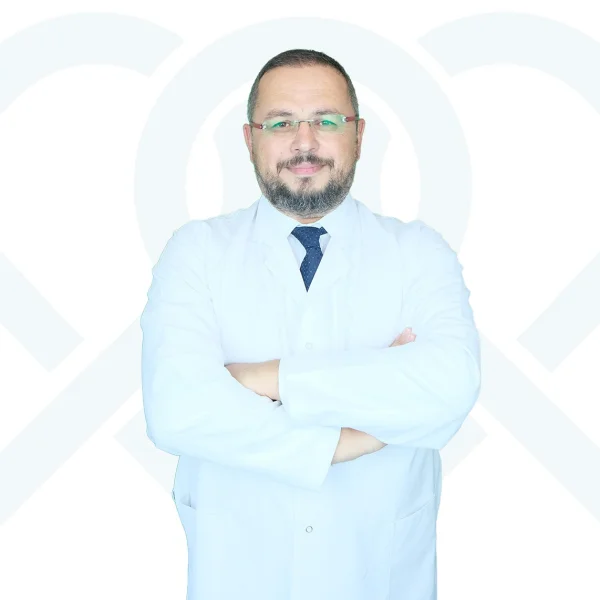
Op. Dr. Bülent Ünalan
Orthopedics and Traumatology Specialist Koru Sincan Hastanesi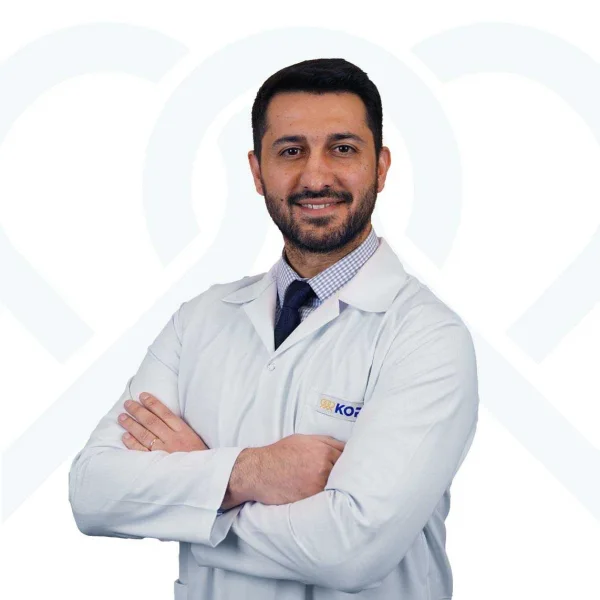
Op. Dr. Eray Kaya
Orthopedics and Traumatology Specialist Koru Kavaklıdere Hastanesi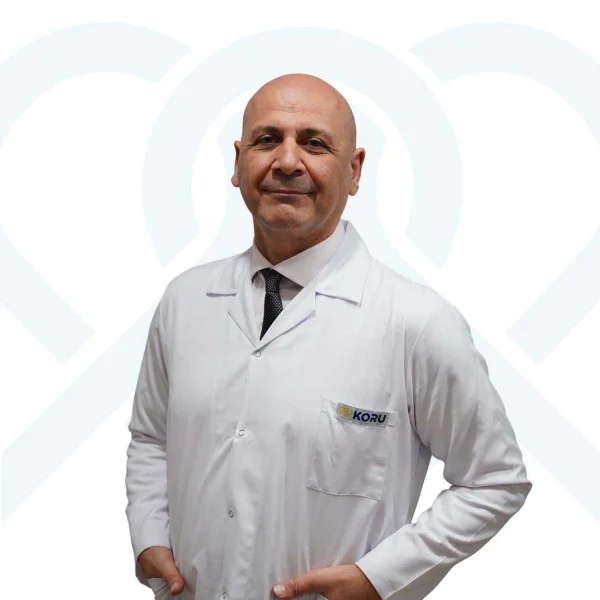
Op. Dr. Hakan Kasapgil
Orthopedics and Traumatology Specialist Koru Ankara Hastanesi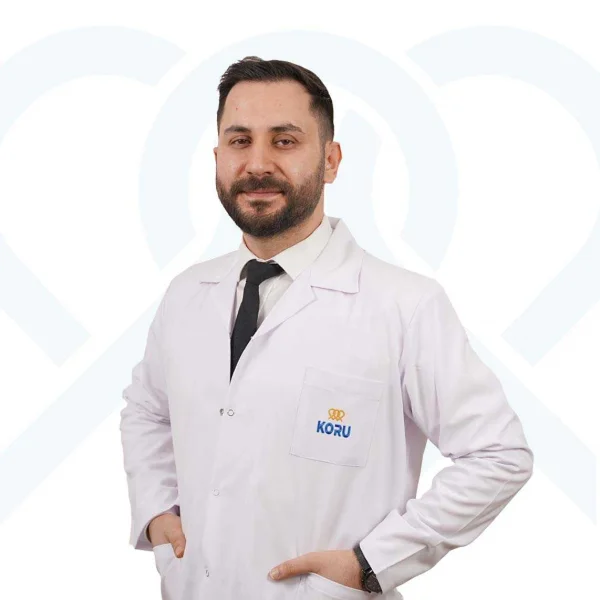
Op. Dr. Süleyman Albayrak
Orthopedics and Traumatology Specialist Koru Ankara Hastanesi