The Neonatal Intensive Care Unit (NICU) is a medical unit that provides specialized care services for premature babies or newborns with health problems after birth. These units serve infants who require intensive care immediately after birth or within the first few days of life. In NICUs, the vital functions of infants are closely monitored, and necessary medical interventions are performed. Level III neonatal intensive care units are centers equipped with the most advanced technology and expert staff, capable of providing comprehensive care even to the most critical infants. These units have the infrastructure to successfully treat very low birth weight premature infants, newborns with congenital anomalies, and all neonatal cases requiring surgical intervention.
Working Principle of Level III Neonatal Intensive Care
Level III neonatal intensive care units are managed by a multidisciplinary team consisting of neonatologists, pediatric surgeons, pediatric cardiologists, pediatric neurologists, and specialized nurses. Infants are monitored in individual incubators, and even the smallest changes in vital signs are continuously tracked. Advanced treatment methods such as high-frequency ventilators, nitric oxide therapy, ECMO, and total parenteral nutrition can be applied. With a family-centered care approach, mothers and fathers are actively involved in the treatment process. Through kangaroo care, skin-to-skin contact is provided on the mother's chest, offering both physiological and psychological benefits.
In Which Situations Is It Used?
Respiratory Support
Premature infants and other newborns may experience respiratory problems. In NICUs, these infants are provided with respiratory support such as ventilators, mechanical ventilation, CPAP (continuous positive airway pressure), and oxygen therapy. Lung development is supported with surfactant therapy, and respiratory distress syndrome is treated effectively. Lung-protective ventilation strategies are implemented to prevent chronic lung diseases such as bronchopulmonary dysplasia.
Circulatory Support
Some newborns may experience circulatory problems after birth. In NICUs, these infants receive circulatory support through intravenous fluids, medications, and other medical interventions. For infants with congenital heart disease, appropriate drug therapies and, if necessary, emergency surgical interventions are life-saving. Conditions such as patent ductus arteriosus can be successfully treated with medication or catheter-based methods.
Nutritional Support
Premature infants and other newborns may experience feeding difficulties. In NICUs, these infants are provided with nutritional support via intravenous fluids, parenteral nutrition, gastric tube feeding, or special formulas. The use of breast milk is encouraged, and growth is supported with special premature formulas. Thanks to the protective properties of breast milk, the risk of serious intestinal diseases such as necrotizing enterocolitis is reduced.
Thermal Support and Monitoring
Newborns may experience thermal regulation problems after birth. In NICUs, these infants are provided with thermal support such as heat lamps, warm blankets, or heated bed systems that ensure temperature control. Hypothermia and hyperthermia conditions are closely monitored to keep body temperature at an optimal level. In NICUs, the vital signs of infants are continuously monitored and recorded. This allows for the early detection of any potential complications. Brain oxygenation, blood glucose, and electrolyte balance are also regularly evaluated.
Treatment and Medication Management
In NICUs, the treatment and medication management of newborns are meticulously handled by expert healthcare personnel. Any infection, metabolic disorder, or other health issue is quickly identified and treated. Antibiotic doses are carefully adjusted according to the baby's gestational age and weight. Phototherapy and, if necessary, exchange transfusion are applied for neonatal jaundice.
Advantages of Level III NICU
- Advanced technological equipment: Even the most critical infants can be treated with the most modern devices.
- Expert team: Neonatologists and experienced nurses provide uninterrupted care.
- Multidisciplinary approach: Integrated work with surgery, cardiology, and neurology departments.
- Low mortality rate: The chances of survival for high-risk infants are increased.
- Family-centered care: Active participation of mothers and fathers is supported.
- Long-term follow-up: Developmental monitoring continues after discharge.
- Surgical intervention capability: Surgery for congenital anomalies can be performed in the same center.
- Infection control: Infection risks are minimized through strict protocols.
Treatment Process
The baby undergoes a detailed examination immediately after birth and is admitted to the neonatal intensive care unit if deemed necessary. Respiratory, circulatory, and nutritional status are evaluated, and appropriate treatment is initiated. The baby is monitored in an individual incubator, and detailed examinations are performed daily. The family is regularly informed, and contact with the baby is encouraged as much as possible. Feeding amounts are gradually increased, respiratory support is slowly reduced, and the goal is for the baby to breathe on their own. Discharge is planned when the baby reaches sufficient weight and becomes stable in terms of respiration and nutrition. Before discharge, the mother and father are trained on baby care.
Points to Consider
Infection control in the neonatal intensive care unit is of vital importance. The number of visitors is limited, and strict hygiene rules are followed. Families must meticulously wash their hands before touching their babies and follow recommended protective measures. Visits by sick or feverish individuals should be prohibited. Regular attendance at post-discharge follow-up examinations, adherence to the vaccination schedule, and monitoring of developmental milestones are of great importance. Early intervention programs should be activated when necessary. Eye examinations, hearing tests, and neurological development follow-ups should be performed at regular intervals for premature infants. Maintaining breastfeeding is critical for the baby's long-term health.
Long-Term Follow-up and Development
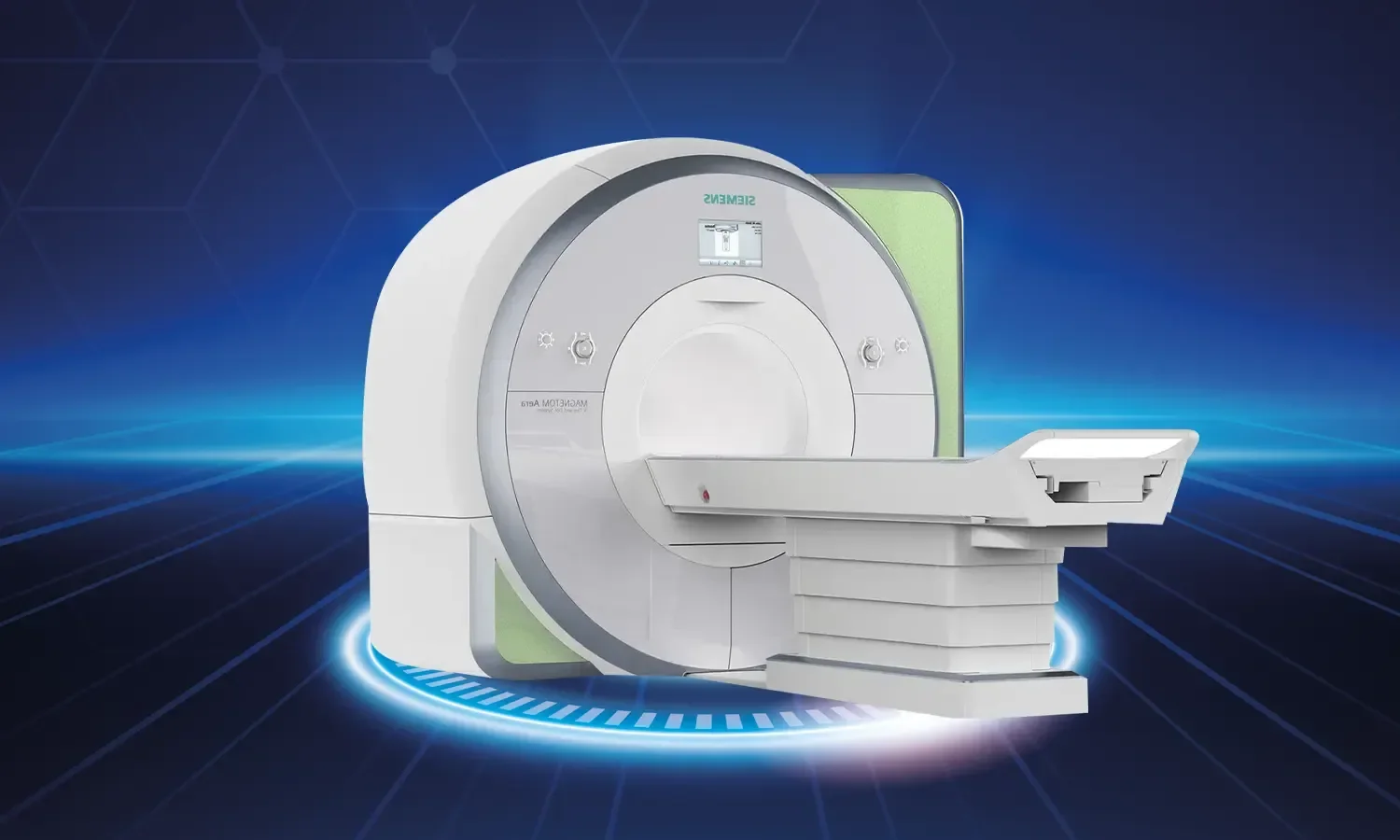
Infants discharged from the neonatal intensive care unit should be followed up regularly, especially in the first two years. Retinopathy screening is performed at regular intervals for premature infants, and laser or injection therapy is applied when necessary. Sensorineural hearing loss can be detected early through hearing screening tests. Cranial ultrasound and MRI imaging are used to evaluate brain development. Neurological development, motor skills, and language and speech development are closely monitored during early childhood. When necessary, physiotherapy, speech therapy, and special education programs are implemented. Thanks to this long-term follow-up, the chance for early intervention is seized in case of any developmental issues.
As Koru Hospital, we provide life-giving care to our smallest guests in our Level III neonatal intensive care unit with our experienced neonatology team and state-of-the-art equipment. We continue to mobilize all our resources to ensure our babies enter the world healthily and reunite with their families.