Nerve monitoring (intraoperative neuromonitoring - IONM) in thyroid surgery is an advanced safety technology that continuously monitors the function of the recurrent laryngeal nerve, which controls the vocal cords, during the operation. Vocal cord paralysis, the most feared complication of thyroid surgeries, can be significantly prevented thanks to this system. Nerve monitoring, which has become a standard practice in modern thyroid and parathyroid surgery, offers patients safer operations and a guarantee of protecting their voices. The fact that the thyroid gland is anatomically located very close to the nerves controlling the vocal cords has made this surgical field one that requires special technical attention, and neuromonitoring has established itself as an important safety standard in this area.
What is Nerve Monitoring?
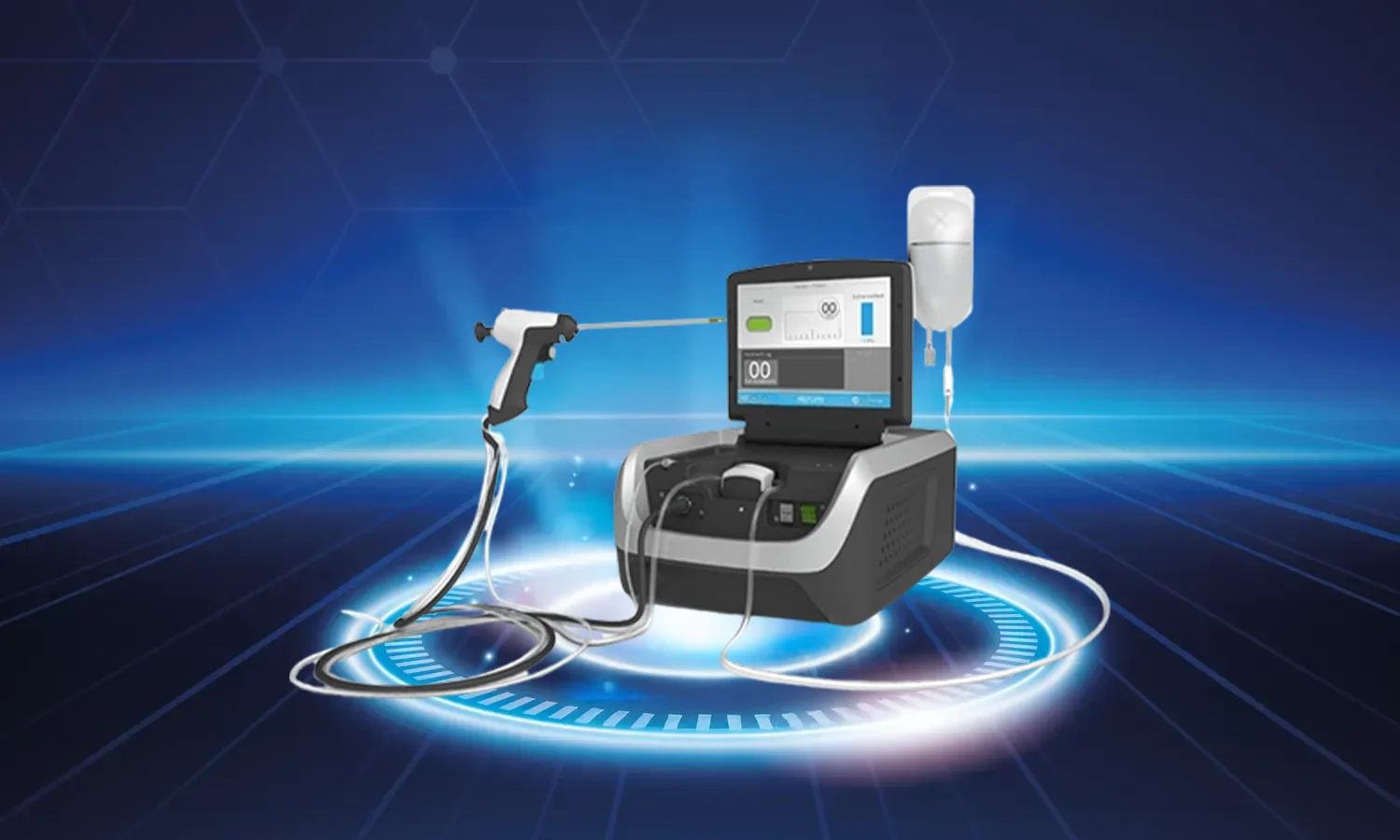
Nerve monitoring is a system that tests the functional integrity of the recurrent laryngeal nerve and the superior laryngeal nerve, which run around the thyroid gland and control the vocal cords, using electrical stimuli during surgery. The muscle movement that occurs in the vocal cords in response to the low-intensity electrical current applied to the nerve is detected by special electrodes and converted into visual and auditory signals. In this way, the surgeon can learn the exact location and functional status of the nerve even without physically touching it. The system both supports the surgeon's experience and provides critical information in cases of uncertainty caused by anatomical variations.
Working Principle
The working mechanism of the system consists of several basic steps:
- Endotracheal tube electrode: Surface electrodes on the anesthesia tube make contact with the vocal cords
- Nerve stimulator: The surgeon applies a low-voltage electrical current to the nerve with a special stimulating probe
- EMG response recording: The muscle response in the vocal cords is recorded as an electromyography signal
- Auditory and visual warning: Nerve activity is displayed on the monitor and reported with an audible signal
- Continuous monitoring: The status of the nerve is tracked instantaneously throughout the operation
- Continuous vagus monitoring: Continuous signal reception via an electrode placed on the vagus nerve
- Threshold determination: The initial normal signal level is established and subsequently used for comparison
In Which Surgeries Is It Used?
Nerve monitoring is used in various types of neck surgery:
- Total thyroidectomy: Removal of the entire thyroid gland
- Hemithyroidectomy: Removal of half of the thyroid gland
- Thyroid cancer surgery: Complex operations involving lymph node dissection
- Reoperative thyroid surgery: Risky situations due to adhesions in repeat surgeries
- Large goiter surgeries: Giant thyroid glands creating anatomical distortion
- Substernal goiter: Thyroid gland extending into the chest cavity
- Parathyroid surgery: In the treatment of hyperparathyroidism
- Tracheal surgery: Reconstruction of the windpipe
- Neck lymph node dissection: Radical neck dissection in head and neck cancers
- Mediastinal surgery: Removal of masses in the upper mediastinum
- Cervical spine surgery: In surgeries performed with an anterior approach
Advantages of Nerve Monitoring
The clinical advantages provided by this technology are extremely comprehensive:
- Reduced risk of vocal cord paralysis: The rate of permanent vocal cord paralysis decreases significantly
- Early identification of the nerve: The nerve is found rapidly even in anatomical variations
- Verification of functional integrity: The function of the nerve is checked at the end of the surgery
- Bilateral surgery safety: Prevention of the risk of bilateral paralysis
- Safety in reoperations: Identification of the nerve within scar tissue becomes easier
- Reduced surgical time: The operation time is shortened by finding the nerve quickly
- Legal documentation: It is objectively recorded that the nerve was preserved
- Increased surgeon comfort: Provides confidence in anatomical uncertainties
- Training advantage: Accelerates the learning process for young surgeons
- Superior laryngeal nerve protection: Prevention of high-pitched voice loss
Treatment Process
Before a thyroid surgery performed with nerve monitoring, the patient is evaluated by endocrinology and surgery departments. A preoperative vocal cord examination is performed to determine if there is any existing paralysis. During the operation, intubation is performed with a special monitoring tube, and it is verified that the electrodes are correctly positioned against the vocal cords. After the surgical incision is made, the vagus nerve is stimulated first, and the initial response is recorded (V1 signal). While the thyroid gland is carefully released, the nerve is identified, and its response is checked via direct stimulation (R1 signal). Throughout the surgery, the nerve is re-tested after every critical manipulation; signal checks are performed especially before ligament ligation, Berry ligament dissection, and vessel coagulation. After the thyroid is removed, the distal response of the nerve (R2) and the final response of the vagus (V2) are checked to safely conclude the operation. In case of signal loss, the surgical strategy may be changed, or a bilateral surgery may be converted to a unilateral one. After the patient wakes up, a voice check is performed, and an ear, nose, and throat specialist examination is planned if necessary.
Points to Consider
For the effective use of nerve monitoring, some important points should be considered. The use of muscle relaxants in the anesthesia protocol should be restricted because long-acting agents can suppress the EMG response. The correct position of the endotracheal tube is of great importance; displacement can lead to false-negative results. The system does not replace the surgeon's experience; it supports visual anatomical identification. In case of signal loss, the cause should be investigated immediately, and the operation strategy should be changed if necessary. In modern practice, continuous vagus monitoring is also preferred. The success of the results depends on the surgical team receiving training on the correct use of the system and developing signal interpretation skills. It should be remembered that in patient selection, high-risk groups (large goiter, malignancy, reoperation, anatomical variations) benefit most from monitoring.
Types of Nerve Monitoring and New Developments
There are basically two approaches in nerve monitoring applications: intermittent monitoring and continuous monitoring. In intermittent monitoring, the surgeon uses the probe to stimulate the nerve at specific stages. In continuous monitoring, nerve activity is tracked uninterruptedly thanks to a special electrode placed on the vagus nerve, and risky manipulations are detected instantly. Modern systems have begun to predict signal losses in advance with AI-supported analysis. New techniques such as awake thyroidectomy can be applied in some selected patients, and the patient's voice can be checked directly during surgery. The integration of robotic thyroid surgery with nerve monitoring is also a developing field. Voice analysis software contributes to evaluating treatment outcomes by objectively measuring voice quality before and after surgery. All these developments make nerve monitoring safer, more accurate, and more user-friendly. These systems are also positioned as an important learning tool in the training of young surgeons.
As Koru Hospital, we routinely perform thyroid and parathyroid surgeries in our general surgery and ear, nose, and throat departments accompanied by nerve monitoring. With our experienced surgeons, modern monitoring systems, and multidisciplinary approach, we prioritize protecting our patients' vocal health and ensuring the highest surgical safety. We are by your side for safe and successful results with our advanced diagnostic and surgical treatment options for thyroid diseases.