





Pediatrics
In the pediatrics unit, growth and development monitoring, vaccination programs and treatment of childhood illnesses are provided from infancy to adolescence.
Pediatrics is a fundamental branch of medicine that covers the protection of health, prevention of diseases, diagnosis, and treatment in the age group from the prenatal period to the end of adolescence. Also known as pediatrics, this specialty addresses the child's physical growth, neuromotor development, nutritional status, immune system, and psychological well-being as a whole. Pediatricians provide both preventive and curative medical services for all age groups, from newborns to adolescents.
Scope of Pediatrics
The department of pediatrics covers an extremely broad field. This spectrum, which extends from preventive health services such as well-child visits, vaccination, and growth and development monitoring to the management of infectious diseases, respiratory tract diseases, digestive system problems, allergies, nutritional disorders, and chronic diseases, forms the basis of a pediatrician's daily practice.
Pediatric specialists evaluate the necessary conditions for a child's healthy growth and development, identify risk factors, and create the most appropriate treatment plan by coordinating with sub-specialties when necessary. Family education and counseling are an integral part of pediatric health services.
Well-Child Visits and Preventive Medicine
Well-child visits are the cornerstone of child health. Through regular check-ups, growth and development are monitored, potential problems are detected at an early stage, and preventive measures are taken.
- Growth monitoring: Height, weight, and head circumference measurements are taken regularly and evaluated on growth charts. Growth retardation, obesity, or abnormal growth rates are detected at an early stage.
- Developmental screening: Motor, language, cognitive, and social development milestones are evaluated at every check-up visit. In case of suspected developmental delay, detailed evaluation and early intervention are planned.
- Vaccination: Vaccinating children in accordance with the national vaccination schedule is the most effective method for preventing infectious diseases. Families are informed about the vaccination schedule, additional vaccines, and special situations.
- Nutritional counseling: Guidance is provided on breastfeeding, transition to complementary foods, age-appropriate nutrition, and vitamin-mineral supplementation.
- Screening tests: Routine screenings such as newborn metabolic screening, hearing screening, vision screening, and iron deficiency screening are applied.
Common Childhood Diseases
Many diseases, especially infections, are frequently encountered during childhood. Accurate diagnosis and appropriate treatment of these diseases are of great importance in preventing complications.
- Upper respiratory tract infections: Common cold, pharyngitis, tonsillitis, otitis media, and sinusitis are the most common diseases in children. Although viral factors are predominant, bacterial superinfections may develop. It is important to avoid unnecessary antibiotic use.
- Lower respiratory tract infections: Bronchiolitis, pneumonia, and croup are serious respiratory diseases of childhood. Especially in children under two years of age, bronchiolitis can cause respiratory distress and may require hospitalization.
- Gastroenteritis: Diarrhea and vomiting caused by viral or bacterial factors can lead to dehydration in children. Oral rehydration therapy is fundamental; in severe cases, intravenous fluid support is required.
- Urinary tract infections: These are infections that are common in childhood and tend to recur. Underlying anatomical anomalies may need to be investigated.
- Exanthematous diseases: Rash-causing infectious diseases such as measles, rubella, chickenpox, hand-foot-and-mouth disease, and fifth disease can be seen in childhood. The frequency of vaccine-preventable diseases has decreased significantly.
- Allergic diseases: Food allergy, atopic dermatitis, allergic rhinitis, and asthma are common allergic conditions in children. Allergen identification, environmental measures, and medical treatment are planned together.
- Asthma: It is one of the most common chronic diseases of childhood. It presents with recurrent cough, wheezing, and shortness of breath. Control of triggering factors and step-wise treatment form the basis of disease management.
- Iron deficiency anemia: It is a nutritional problem frequently seen, especially during infancy and adolescence. It can cause fatigue, pallor, loss of appetite, and lack of concentration.
- Febrile seizures: These are seizures triggered by high fever between the ages of six months and six years. It is important to inform families about fever management and first aid.
- Reflux and colic: Gastroesophageal reflux and infantile colic are frequently encountered problems in infants. Improvement is usually achieved with nutritional regulation and positioning recommendations.
Newborn Care
The first twenty-eight days after birth are called the neonatal period, and it is the most sensitive period for babies. During this process, newborn examination, metabolic screenings, jaundice monitoring, nutritional support, and supporting mother-baby bonding are of vital importance.
Newborn jaundice, prematurity issues, feeding difficulties, umbilical cord care, and skin problems are common conditions during this period. Families should be informed in detail about baby care, safe sleeping positions, breastfeeding techniques, and emergency signs. Low birth weight and premature babies are enrolled in special follow-up programs to closely monitor their growth and development.
Diagnostic Methods
In the department of pediatrics, the diagnostic process begins with a comprehensive medical history and physical examination. Various laboratory and imaging methods are used according to the child's age, complaints, and clinical condition.
- Blood tests: Complete blood count, biochemical analyses, inflammation markers, thyroid function tests, vitamin and mineral levels, allergy tests, and hormone analyses are performed routinely.
- Urine and stool examinations: Urinalysis, urine culture, stool microscopy, and fecal occult blood tests are simple and informative methods frequently used in diagnosis.
- Microbiological tests: Throat culture, blood culture, viral panel tests, and rapid antigen tests are used to identify the infectious agent.
- Ultrasonography: It is a radiation-free and safe imaging method for the evaluation of the abdomen, kidneys, hips, and soft tissues.
- Chest X-ray: Used in the evaluation of conditions such as pneumonia, bronchitis, and foreign body aspiration in respiratory tract diseases.
- Allergy tests: Allergen identification is performed with skin prick tests and specific IgE measurement in the blood.
- Respiratory function tests: Spirometry and peak flow measurement are applied in the diagnosis and follow-up of asthma.
- Developmental assessment tests: Developmental assessment is performed with standardized tools such as the Denver Developmental Screening Test, Bayley Scales, and Ages & Stages Questionnaires.
Treatment Approaches
In the department of pediatrics, the treatment approach is individualized according to the type of disease, the child's age, and general condition.
Medical treatment: Antibiotic, antiviral, or antifungal treatments are used for infections; antihistamines and inhaler treatments for allergic diseases; and antipyretic-analgesic drugs for fever and pain. In children, drug doses are meticulously calculated according to body weight, and age-appropriate formulations are preferred.
Fluid and electrolyte therapy: In cases of dehydration, oral rehydration solutions or intravenous fluid therapy are administered. Correcting electrolyte imbalances is of vital importance, especially in infants.
Nutritional therapy: Special nutritional programs are prepared for malnutrition, obesity, food allergies, and metabolic diseases. Diet plans suitable for the child's age and disease are created with the support of a dietitian.
Vaccination and prophylaxis: In addition to the routine vaccination program, additional vaccines and prophylactic treatments are applied in special risk groups. The vaccination schedule is personalized for children with chronic diseases.
Chronic disease management: Long-term treatment planning, regular follow-up, and family education are carried out together for asthma, diabetes, epilepsy, and other chronic diseases. Disease self-management skills are taught according to the child's age.
Emergency intervention: Rapid and effective intervention is applied in emergency situations such as high fever, respiratory distress, severe dehydration, anaphylaxis, and altered consciousness.
When to Consult a Pediatrician?
In addition to regular well-child check-ups, a pediatrician should be consulted in the following situations:
- High fever, especially any fever in babies under three months old
- Persistent cough, wheezing, or difficulty breathing
- Prolonged or bloody diarrhea, recurrent vomiting
- Refusal to eat, extreme irritability, or lethargy
- Rash, especially rashes accompanied by fever
- Pain during urination, frequent urination, or change in urine color
- Slowing or stopping of growth and weight gain
- Delay or regression in developmental milestones
- Behavioral changes, sleep disorders
- Recurrent infections or long-lasting illnesses
- Evaluation after an injury, fall, or accident
Family Education and Health Literacy
Raising awareness among families plays a critical role in protecting child health. Family education on proper nutritional habits, hygiene rules, home safety, vaccination awareness, and recognizing symptoms of illness directly affects health outcomes. Acting consciously regarding antibiotic use, avoiding unnecessary medication, and preventing accidents in the home environment are important topics that should be taught to families.
Encouraging the child to engage in physical activity, limiting screen time, ensuring an adequate sleep schedule, and establishing healthy eating patterns contribute to the prevention of chronic diseases in the long term.
Why Koru Hospital?
The Koru Hospital department of pediatrics provides comprehensive health services for all age groups from newborns to adolescents with its highly experienced expert staff. With our modern outpatient clinic environments, advanced laboratory infrastructure, and child-friendly approach, our patients' diagnosis and treatment processes are carried out at the highest quality.
Our hospital provides services in every field of child health, from preventive health services to emergency interventions, from chronic disease management to developmental assessment. A multidisciplinary approach is adopted by working in coordination with pediatric surgery, pediatric neurology, pediatric nephrology, pediatric cardiology, and other sub-specialties.
At Koru Hospital Department of Pediatrics, our specialist physicians are by your side, applying the most current medical approaches for your child's healthy growth and development. You can contact us to make an appointment and obtain detailed information.
Our Doctors
Bebeklikten ergenliğe çocuk sağlığında güvenilir pediatristlerimiz

Uzm. Dr. Bülent Koca
Pediatrics Specialist Koru Sincan Hastanesi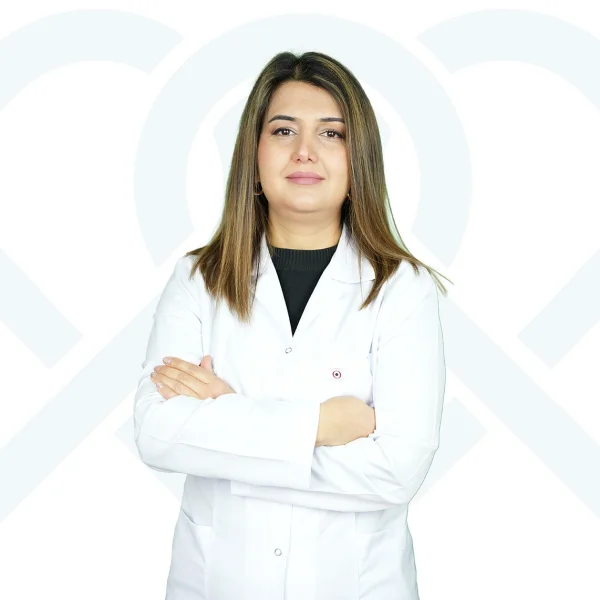
Uzm. Dr. Lale Shirinova
Pediatrics Specialist Koru Sincan Hastanesi
Uzm. Dr. Mustafa Özaydın
Pediatrics Specialist Koru Ankara Hastanesi
Uzm. Dr. Ömer Faruk Özer
Pediatrics Specialist Koru Kavaklıdere Hastanesi
Uzm. Dr. Rashad Guliyev
Pediatrics Specialist Koru Ankara Hastanesi
Uzm. Dr. Sabina Nadirova
Pediatrics Specialist Koru Ankara Hastanesi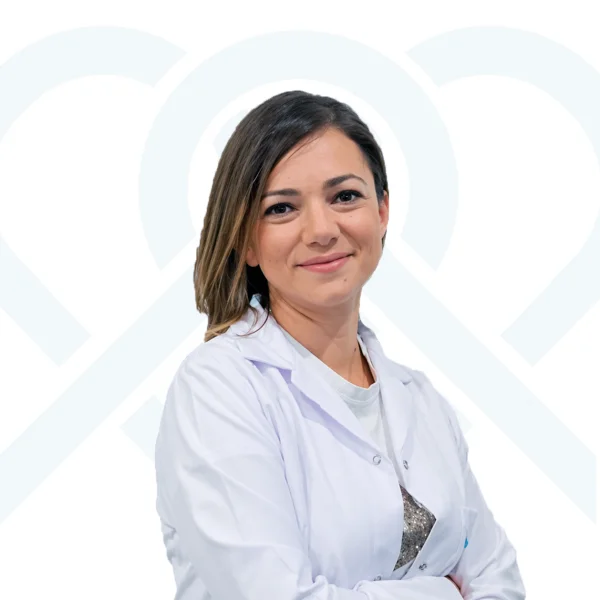
Uzm. Dr. Burçin Atabey
Pediatrics Specialist Koru Ankara Hastanesi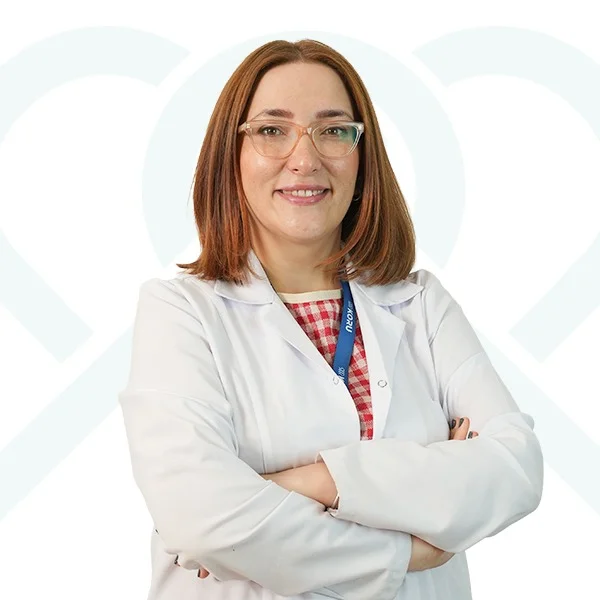
Uzm. Dr. Firuze Demirhanlı
Pediatrics Specialist Koru Ankara Hastanesi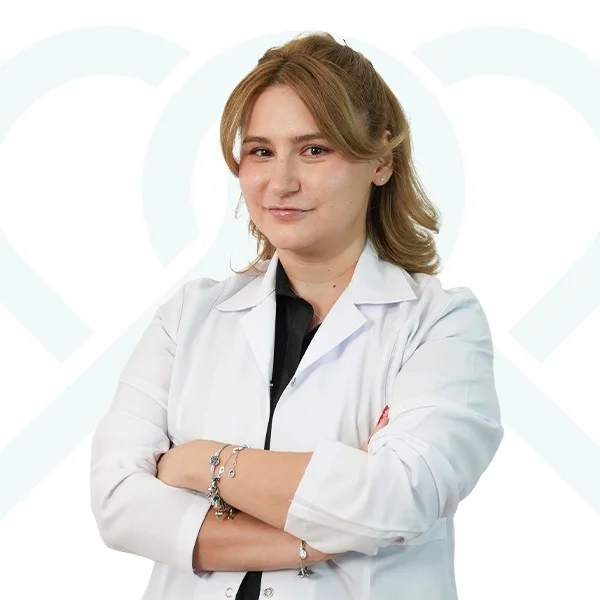
Uzm. Dr. Elif Yılmaz
Pediatrics Specialist Koru Ankara Hastanesi
Uzm. Dr. Muzaffer Enes Pehlivan
Pediatrics Specialist Koru Ankara Hastanesi