Anesthesiology and Reanimation
Our anesthesiology and reanimation unit provides safe general and regional anesthesia, postoperative pain management and intensive care with an expert team.
Anesthesiology and reanimation are indispensable parts of modern surgery and intensive care medicine. This medical specialty, which ensures that patients undergo surgical operations safely and without pain, also plays a vital role in supporting and maintaining the vital functions of critical patients in intensive care units. The Koru Hospital Anesthesiology and Reanimation department ensures the highest level of patient safety from the pre-operative period to the intensive care process with its experienced anesthesiologists and advanced technology equipment.
What Does the Department of Anesthesiology and Reanimation Do?
Anesthesiology is the medical specialty that keeps the patient's state of consciousness, pain perception, and body functions under control during surgical procedures. Reanimation involves supporting the vital functions of critical patients in an intensive care environment and managing the recovery process. The main areas of responsibility of the department are as follows:
- Preoperative assessment: Evaluation of the patient's general health status before surgery, risk analysis, and anesthesia planning
- General anesthesia: Performing painless surgical intervention by ensuring complete loss of consciousness in the patient
- Regional anesthesia: Numbing specific parts of the body with spinal, epidural, and peripheral nerve blocks
- Local anesthesia support: Regional numbing and sedation applications for minor surgical procedures
- Intraoperative monitoring: Continuous monitoring and management of vital signs during surgery
- Postoperative care: Monitoring the patient and pain control in the recovery unit after surgery
- Intensive care services: Organ support treatments and maintenance of vital functions for critical patients
- Pain management: Acute and chronic pain treatment, patient-controlled analgesia, and interventional pain treatments
- Obstetric anesthesia: Anesthesia and analgesia applications during cesarean section and childbirth
Types of Anesthesia and Areas of Application
General Anesthesia
General anesthesia is an anesthesia method performed by ensuring the patient's loss of consciousness, analgesia, muscle relaxation, and reflex control. Preferred in abdominal surgery, thoracic surgery, neurosurgery, orthopedic surgery, and long-term operations, general anesthesia is administered through a combination of intravenous drugs and inhalation anesthetics. During the surgery, the patient's respiratory function is secured via endotracheal intubation or a laryngeal mask. Thanks to modern anesthetic drugs and monitoring systems, general anesthesia has become an extremely safe practice.
Regional Anesthesia
Regional anesthesia is an anesthesia method provided by temporarily stopping nerve conduction in a specific region of the body. The main regional anesthesia techniques are as follows:
- Spinal anesthesia: Providing numbness from the waist down by injecting medication between the spinal membranes via a lumbar puncture. It is frequently preferred in cesarean sections, lower extremity surgery, and urological operations.
- Epidural anesthesia: Continuous or intermittent medication administration by placing a catheter into the epidural space. It is used in labor analgesia, postoperative pain control, and chronic pain treatment.
- Peripheral nerve blocks: Injection of local anesthetic around specific nerves under ultrasound guidance. It provides effective anesthesia and long-term pain control in arm, leg, shoulder, and hand surgery.
Sedation and Monitored Anesthesia Care
Sedation is the controlled reduction of the patient's level of consciousness and the relief of anxiety. Preferred in endoscopy, colonoscopy, dental treatments, minor surgical procedures, and diagnostic interventions, sedation significantly increases patient comfort. Monitored anesthesia care (MAC) is an approach where sedation and local anesthesia are combined under the continuous supervision of an anesthesiologist.
Preoperative Preparation Process
Preoperative assessment is critical for a safe anesthesia application. During this process, the anesthesiologist performs the following evaluations:
- Detailed inquiry of the patient's medical history (chronic diseases, past operations, history of allergies)
- Evaluation of medications and herbal products used
- Physical examination (especially airway assessment, cardiovascular and pulmonary examination)
- Review of necessary laboratory tests and imaging studies
- Determination of risk level with ASA (American Society of Anesthesiologists) classification
- Creation of an anesthesia plan and informing the patient
- Providing instructions regarding fasting duration and preoperative medication management
Intensive Care Services
Reanimation (intensive care) covers organ support treatments and the maintenance of vital functions in critical patients experiencing vital organ dysfunction. The main conditions managed in the intensive care unit are as follows:
- Respiratory failure: Mechanical ventilation support, non-invasive ventilation, and oxygen therapy
- Cardiovascular support: Hemodynamic monitoring, vasopressor, and inotropic therapy
- Sepsis and septic shock: Management of organ failure due to severe infections
- Renal failure: Continuous renal replacement therapy (dialysis)
- Neurological monitoring: Management of coma, status epilepticus, and cerebral edema
- Postoperative care: Critical period monitoring after major surgical operations
- Multiple organ failure: Simultaneous support of multiple organ systems
- Nutritional support: Enteral and parenteral nutrition management
Advanced Monitoring in Intensive Care
Advanced monitoring systems used in modern intensive care units ensure that even the smallest changes in patients' conditions are detected instantly. Continuous ECG, invasive and non-invasive arterial pressure monitoring, central venous pressure measurement, pulse oximetry, capnography, cardiac output measurement, and brain function monitoring (BIS) are the primary systems used.
Pain Management
Pain treatment is one of the important fields of work for anesthesiology and reanimation specialists. Within the scope of pain management, which provides services in a wide spectrum from postoperative acute pain to chronic pain syndromes, the following applications are performed:
- Patient-controlled analgesia (PCA): An intravenous or epidural analgesia system that allows the patient to participate in their own pain management
- Multimodal analgesia: Optimal pain control through the combination of drugs acting via different mechanisms
- Interventional pain treatments: Epidural steroid injection, facet joint blocks, nerve root blocks, and radiofrequency thermocoagulation
- Cancer pain management: Pain treatment approaches aimed at improving the quality of life of oncological patients
When Should You Consult an Anesthesiologist?
You may need to consult an anesthesiology and reanimation specialist in the following situations:
- For preoperative anesthesia assessment when any surgical operation is planned
- If there has been a problem with anesthesia in the past (difficult intubation, history of malignant hyperthermia, allergic reaction)
- In cases where the anesthesia risk is high due to chronic diseases (heart, lung, diabetes, obesity)
- In cases where postoperative pain control is insufficient
- To evaluate interventional treatment options for chronic pain problems
- When painless childbirth (epidural analgesia) is planned
- When sedation support is needed due to fear of the dentist or procedural anxiety
Anesthesiology and Reanimation Services at Koru Hospital
The Koru Hospital Anesthesiology and Reanimation department operates as a center where surgical safety and patient comfort are ensured at the highest level. The advantages offered by our department include:
- Experienced team: A professional staff consisting of expert anesthesiologists, intensive care nurses, and anesthesia technicians
- State-of-the-art operating room: Advanced monitoring systems, modern anesthesia devices, and safety equipment
- Fully equipped intensive care unit: Intensive care with independent monitoring and organ support facilities at every bedside
- Personalized anesthesia plan: Anesthesia approach customized according to each patient's individual risk factors and needs
- Safety protocols: Patient safety checklists in accordance with international standards (WHO Surgical Safety Checklist)
- Postoperative recovery unit: A special unit under continuous monitoring where patients recover safely after surgery
- Multidisciplinary collaboration: Coordinated work with all surgical branches and integrated patient care
Patient Safety is the Priority
The most critical element in anesthesia applications is patient safety. Thanks to modern anesthetic drugs, advanced monitoring technologies, and standardized safety protocols, complication rates related to anesthesia have decreased to extremely low levels. Detailed preoperative assessment, continuous monitoring during surgery, and careful follow-up after surgery constitute the three main pillars of safe anesthesia practice.
In the Koru Hospital Anesthesiology and Reanimation department, our specialist physicians ensure that the surgical process is passed in the safest and most comfortable way by planning anesthesia suitable for the individual needs of each patient. You can apply to our department for comprehensive anesthesia and reanimation services, from preoperative assessment to intensive care services.
Our Doctors
Ameliyatlarınızda güvenli anestezi için uzman ekibimiz
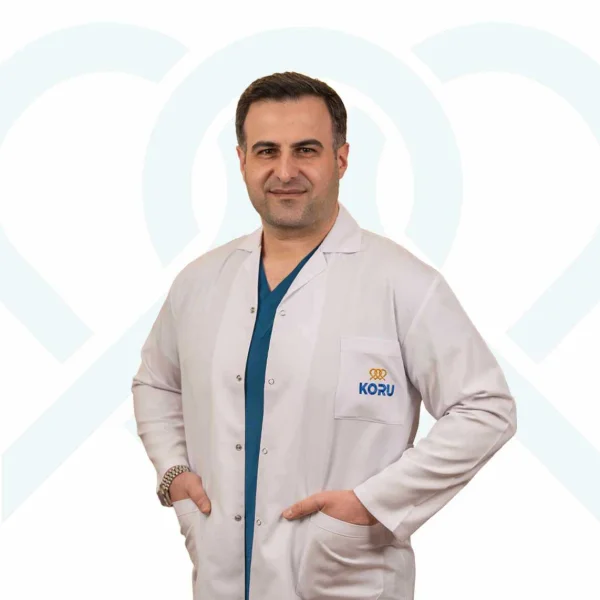
Uzm. Dr. Attila Guliyev
Anesthesiology and Reanimation Specialist Koru Ankara Hastanesi
Uzm. Dr. Ayşe Börklüce
Anesthesiology and Reanimation Specialist Koru Kavaklıdere Hastanesi
Uzm. Dr. Damla Tosun
Anesthesiology and Reanimation Specialist Koru Ankara Hastanesi
Uzm. Dr. Hakan Öcal
Anesthesiology and Reanimation Specialist Koru Ankara Hastanesi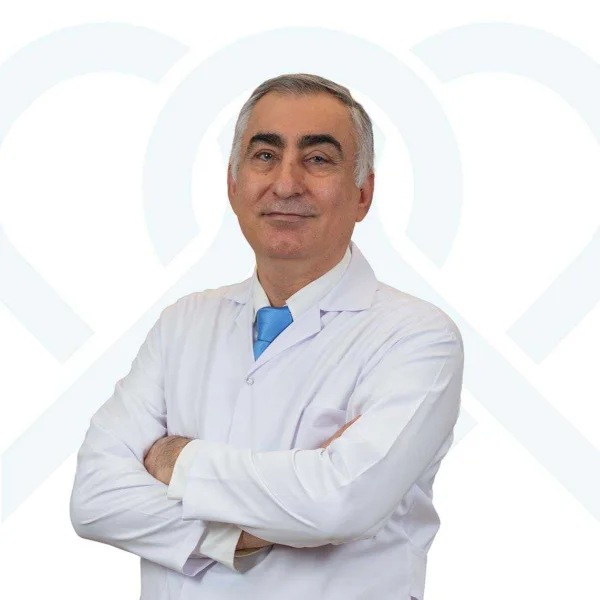
Uzm. Dr. Halil Yavuz
Anesthesiology and Reanimation Specialist Koru Ankara Hastanesi
Uzm. Dr. Sezer Tiryaki
Anesthesiology and Reanimation Specialist Koru Sincan Hastanesi
Uzm. Dr. Önder Özen
Anesthesiology and Reanimation Specialist Koru Sincan Hastanesi
Uzm. Dr. Bahattin Gürsul
Anesthesiology and Reanimation Specialist Koru Sincan Hastanesi