Obstetrics and Gynecology
In the obstetrics and gynecology unit, pregnancy follow-up, natural and cesarean births, gynecological surgery and IVF treatment are performed by an expert team.
Obstetrics and Gynecology is one of the fundamental medical specialties covering the diagnosis and treatment of diseases of the female reproductive system, as well as the management of pregnancy, childbirth, and the postpartum period. The Department of Obstetrics and Gynecology at Koru Hospital provides reliable and modern healthcare to its patients through an expert staff that offers comprehensive services throughout every stage of women's health, from adolescence to menopause.
Scope and Service Areas of the Department
The Department of Obstetrics and Gynecology encompasses two main areas of expertise. Gynecology deals with diseases of the female reproductive organs, while obstetrics covers all processes from pre-pregnancy counseling to postpartum care.
At Koru Hospital, this department provides services along with its sub-specialties:
- General gynecology: Regular gynecological examinations, smear screening, ultrasonography, and preventive women's health services
- High-risk pregnancy follow-up: Management of risk factors such as diabetes, hypertension, multiple pregnancies, and advanced maternal age
- Gynecologic oncology: Diagnosis and treatment of uterine, ovarian, and cervical cancers
- Urogynecology: Treatment of pelvic floor disorders, urinary incontinence, and pelvic organ prolapse
- Reproductive endocrinology: Investigation and treatment of infertility and hormonal disorders
- Menopause management: Treatment and counseling services that improve quality of life during menopause
Gynecological Diseases
The main gynecological diseases diagnosed and treated in the Department of Obstetrics and Gynecology are as follows:
Myoma (uterine fibroid): These are benign tumors originating from the uterine muscle. They are seen in approximately 30-40 percent of women of reproductive age. They can cause symptoms such as menstrual irregularities, excessive bleeding, pelvic pain, and pressure. Depending on the size, number, and location of the fibroid, medical treatment or surgical options such as myomectomy or hysterectomy are evaluated.
Endometriosis: This is the implantation of the inner lining of the uterus (endometrium) outside the uterus. It can lead to severe menstrual pain, chronic pelvic pain, and infertility. Hormone therapy and laparoscopic surgery are applied in treatment.
Ovarian cysts: While functional cysts usually regress on their own, dermoid cysts, endometriomas, and serous cystadenomas may require surgical intervention. The decision for follow-up or surgery is made based on cyst size and ultrasonography findings.
Polycystic ovary syndrome (PCOS): Characterized by the formation of numerous small cysts in the ovaries due to hormonal imbalance, it presents with menstrual irregularity, increased hair growth, and infertility. Lifestyle changes, medical treatment, and assisted reproductive techniques are applied when necessary.
Cervical diseases: HPV infection, cervical dysplasia, and cervical cancer fall into this group. Early diagnosis is possible with regular PAP smear screening and HPV testing. A definitive diagnosis is made via colposcopy and biopsy, and an appropriate treatment plan is established.
Pelvic inflammatory disease (PID): This is a bacterial infection of the upper genital tract. If not treated early, it can cause tubal blockage and infertility.
Vaginal infections: Yeast infections, bacterial vaginosis, and trichomonas vaginitis are among the most common gynecological complaints in women.
Urinary incontinence and pelvic organ prolapse: These conditions, especially seen in women who have given birth and those in the menopause period, seriously affect quality of life. Pelvic floor rehabilitation, pessary treatment, and surgical options are evaluated.
Pregnancy Follow-up and Delivery Services
The Koru Hospital Department of Obstetrics and Gynecology offers comprehensive follow-up services from the first moment of pregnancy to the postpartum period:
- Pre-pregnancy counseling: Health assessment for planned pregnancy, folic acid supplementation, vaccination, and genetic counseling
- Routine pregnancy check-ups: Monthly examinations, ultrasonography, laboratory follow-up, and pregnancy screening tests
- Detailed ultrasonography: Detailed evaluation of the baby's organ development with second-trimester anomaly screening
- Double and quadruple screening tests: Assessment of the risk of chromosomal anomalies
- Gestational diabetes screening: Screening for pregnancy diabetes with an oral glucose tolerance test at 24-28 weeks
- Non-stress test (NST): Monitoring the baby's heart rate to evaluate well-being
- High-risk pregnancy management: Close follow-up of preeclampsia, placenta previa, preterm labor threats, and multiple pregnancies
Regarding delivery services, Koru Hospital safely offers both normal delivery and cesarean section options with its modern delivery rooms and experienced team. While the fundamental principle is to encourage normal delivery, cesarean section is performed under the safest conditions when medically necessary. Painless delivery options with epidural anesthesia are also available.
Diagnostic and Screening Methods
The main diagnostic methods used in our department are:
- Transvaginal and transabdominal ultrasonography: The primary imaging method for evaluating the uterus, ovaries, and pregnancy
- 3D/4D ultrasonography: Three-dimensional imaging of the baby and evaluation of facial anomalies
- Colposcopy: Magnified examination of the cervix and biopsy of suspicious areas
- Hysteroscopy: Visualization of the inside of the uterus with a thin camera, diagnosis and treatment of lesions such as polyps and fibroids
- Hysterosalpingography (HSG): Evaluation of the uterus and tubes with X-ray, used in infertility investigation
- PAP smear and HPV test: Gold standard methods for cervical cancer screening
- Hormone profile tests: FSH, LH, estradiol, progesterone, prolactin, and thyroid hormones
- Endometrial biopsy: Pathological examination by taking a tissue sample from the inner lining of the uterus
Surgical Treatment Methods
A minimally invasive surgery (closed surgery) approach is prioritized in the Koru Hospital Department of Obstetrics and Gynecology:
Laparoscopic surgery: These are surgeries performed by entering through small incisions in the abdominal wall. Ovarian cyst surgery, myomectomy, endometriosis treatment, tubal ligation, and ectopic pregnancy intervention can be performed using laparoscopic methods. The hospital stay is short, and the recovery process is fast.
Hysteroscopic surgery: Used in the treatment of pathologies such as intrauterine polyps, submucosal fibroids, intrauterine adhesions, and septums. It is a scarless surgery, and discharge on the same day is possible.
Robotic surgery: An advanced technological surgical method that provides high precision in complex gynecological surgeries.
Open surgery: Open surgery is applied in necessary cases such as large fibroids, advanced-stage cancers, and emergencies.
When Should You Consult an Obstetrician and Gynecologist?
- Irregular, painful, or excessive menstrual bleeding
- Intermenstrual bleeding or bleeding after sexual intercourse
- Chronic pelvic pain or groin pain
- Changes in vaginal discharge and signs of infection
- Pregnancy planning or a positive pregnancy test
- Inability to conceive for over a year
- Menopause-related complaints (hot flashes, night sweats, vaginal dryness)
- Urinary incontinence or a feeling of pressure in the pelvic region
- Annual routine gynecological check-up and cancer screening
- Breast examination and mammography referral
Preventive Approaches in Women's Health
Regular screening and check-ups are vital for protecting women's health. A regular PAP smear test is recommended starting from age 21 for cervical cancer screening. Over the age of 30, screening sensitivity is increased by performing an HPV test along with the PAP smear. The HPV vaccine is the most effective method for preventing cervical cancer and is recommended for women between the ages of 9 and 45.
As part of breast cancer screening, an annual mammogram is recommended for women over 40. Screening may be started at an earlier age for women with a family history of breast cancer. Monthly self-breast examination is an important practice that ensures women are aware of their breast health.
Osteoporosis screening is performed with bone density measurement (DEXA) in the postmenopausal period. With early diagnosis and appropriate treatment, the risk of fracture can be significantly reduced. Calcium and Vitamin D supplementation, regular exercise, and medical treatment when necessary are the fundamental approaches to protecting bone health.
Women have different health needs at every stage of their life cycle. Management of menstrual irregularities and hormonal changes during adolescence, pregnancy planning and birth control during reproductive age, and symptom management and chronic disease prevention during perimenopause and menopause are among the comprehensive service areas of our department.
Why Koru Hospital Department of Obstetrics and Gynecology?
The Koru Hospital Department of Obstetrics and Gynecology adopts a holistic approach to women's health. Experienced gynecologists and perinatology specialists create treatment plans tailored to each patient's individual needs. A safe healthcare environment is provided with modern delivery rooms, a neonatal intensive care unit, and high-tech operating rooms.
In our hospital, which offers 24/7 emergency obstetric services during pregnancy, the anesthesia team and neonatologists are ready at all times. Prioritizing minimally invasive surgical methods such as laparoscopy and hysteroscopy ensures that patients recover faster with less pain.
Special importance is given to patient privacy in our department, and healthcare services are provided in a warm and reassuring environment. Comprehensive support is provided to expectant mothers through educational programs such as pregnancy school, childbirth preparation courses, and breastfeeding counseling.
A multidisciplinary approach is one of the fundamental principles of our department. In the management of high-risk pregnancies, we work in coordination with perinatology, endocrinology, cardiology, and neonatology specialists. In gynecologic oncology cases, treatment plans are determined by tumor board decisions, and each patient is evaluated through the joint opinion of multiple specialists.
In the Koru Hospital Obstetrics and Gynecology department, our specialist physicians are ready to be by your side at every stage of women's health. You can contact us to make an appointment for a healthy life and a safe pregnancy process.
Our Doctors
Kadın sağlığı ve gebelik takibinde güvenilir jinekologlarımız

Prof. Dr. Aydan Biri
Obstetrics and Gynecology Specialist Koru Ankara Hastanesi
Doç. Dr. Ebru Hacer Biberoğlu
Obstetrics and Gynecology Specialist Koru Sincan Hastanesi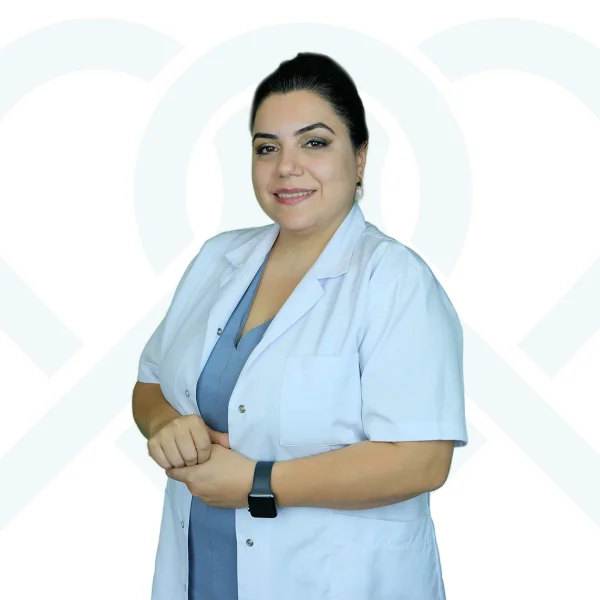
Op. Dr. Duygu Altan
Obstetrics and Gynecology Specialist Koru Ankara Hastanesi
Op. Dr. Levent Sevinç
Obstetrics and Gynecology Specialist Koru Sincan Hastanesi
Op. Dr. Mehmet Tolga Özkan
Obstetrics and Gynecology Specialist Koru Ankara Hastanesi
Op. Dr. Müge Ayça İbiş
Obstetrics and Gynecology Specialist Koru Sincan Hastanesi
Op. Dr. Aytekin Aydın
Obstetrics and Gynecology Specialist Koru Sincan Hastanesi
Uzm. Dr. Bahar Şentürk
Obstetrics and Gynecology Specialist Koru Kavaklıdere Hastanesi
Op. Dr. Aytakın Khudiyeva
Obstetrics and Gynecology Specialist Koru Sincan Hastanesi