Urinary tract stone disease is a health problem that is quite common in the community and can lead to serious issues such as severe pain, bleeding, and infection. Treatment approaches have changed significantly over the years, with open surgery largely being replaced by endoscopic and laser-assisted methods. Endoscopic laser stone treatment is a modern treatment option based on the principle of fragmenting kidney, ureteral, and bladder stones by accessing them through natural pathways without the need for any incisions.
What is Endoscopic Laser Stone Treatment?
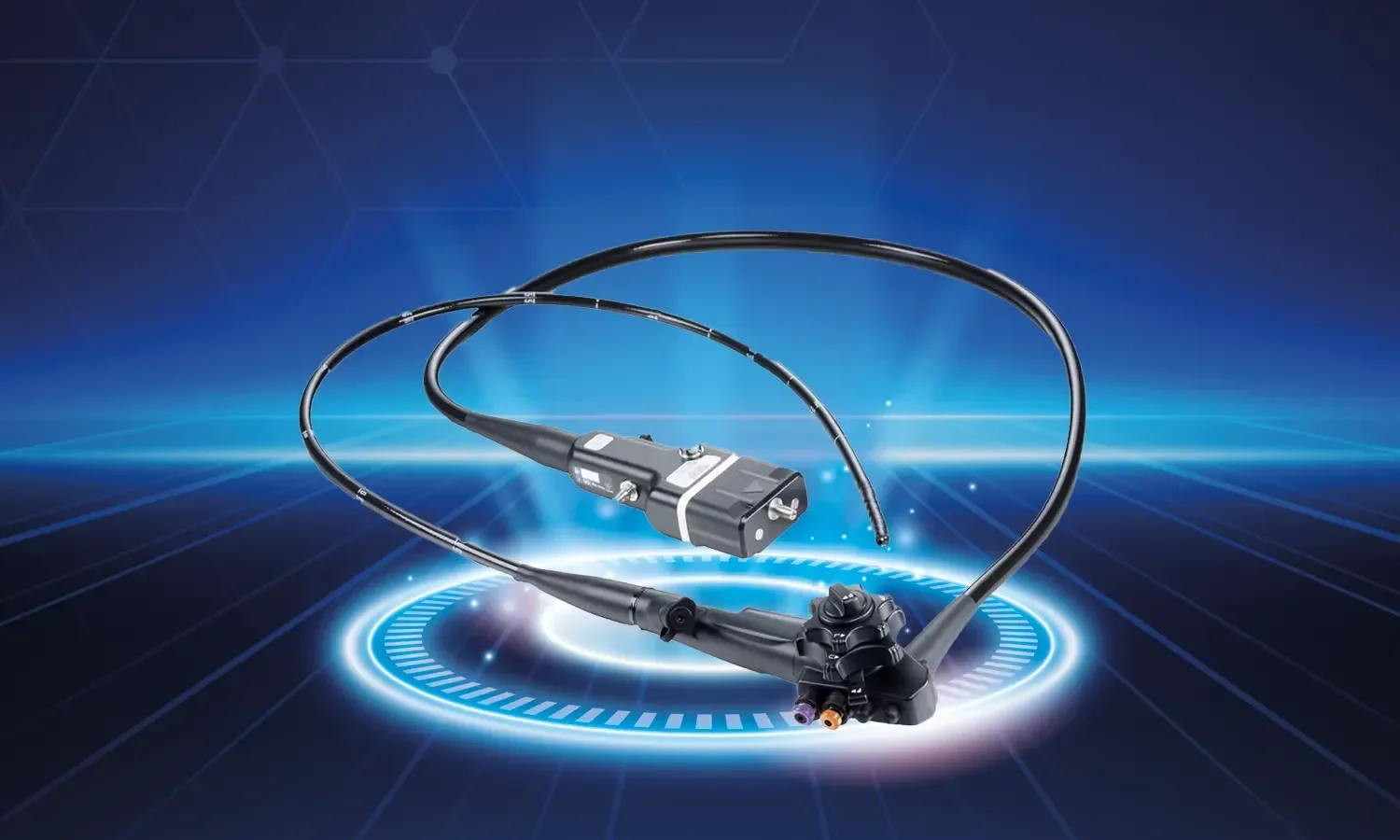
Endoscopic laser stone treatment is a procedure in which the stone is reached by entering through the urinary tract with the help of thin and flexible endoscopes, and the stone is turned into small fragments or dust using high-precision laser energy such as holmium YAG or thulium laser. Ureteroscopy (URS) and retrograde intrarenal surgery (RIRS) are the most frequently applied forms of this treatment.
Working Principle
When laser energy contacts the stone, it creates a narrow and focused beam that breaks down the structure of the stone without damaging the surrounding tissue. Modern laser devices can be adjusted according to the hardness of the stone; it can be divided into large pieces (fragmentation) or turned into dust (dusting) as desired. The pulverized fragments are naturally expelled from the body through urine.
In Which Diseases Is It Used?
Endoscopic laser stone treatment can be safely applied to a wide group of patients:
- Ureteral stones (stones formed in the urinary tract)
- Renal pelvis and intrarenal stones
- Bladder stones
- Cases where ESWT (shock wave) treatment has failed
- Very hard stones (cystine, calcium oxalate monohydrate)
- Stones in kidneys with anatomical anomalies
- Stone treatment in patients with a single kidney
- Patients for whom open surgery is risky due to bleeding disorders
Advantages of Endoscopic Laser Stone Treatment
- Does not require skin incisions and is performed through the natural urinary tract
- High success rate; high stone-free rates in a single session
- Effective results even in very hard stones
- Low risk of bleeding
- Generally short hospital stay and rapid recovery process
- Early return to work and social life
- Much less pain compared to open surgery
- No surgical scars and aesthetic advantage
- Ability to intervene in multiple stones in the same session if necessary
Treatment Process
A detailed evaluation of the patient is performed before the procedure. The location, size, and structure of the stone are determined through tests such as blood and urine analysis, ultrasound, and computed tomography. If there is an active urinary tract infection, antibiotic treatment is applied first.
Stages of the Procedure
The treatment is usually performed under general or spinal anesthesia. After the patient is placed in the appropriate position, a thin endoscope is advanced through the urinary tract to reach the stone. The laser fiber is passed through the working channel of the endoscope and directed at the stone to perform fragmentation. If necessary, stone fragments are removed with special baskets. At the end of the procedure, a temporary ureteral stent (double J catheter) may be placed to protect the kidney and reduce edema.
Post-Operative Process
Patients are usually discharged on the same day or the next day. There may be mild burning, a small amount of bleeding, or a feeling of discomfort caused by the stent for a few days. Consuming plenty of water, regular use of recommended medications, and attending follow-up examinations are important in the recovery process. The stent is removed with a short procedure when the condition is appropriate.
Points to Consider
- The use of blood thinners before the procedure should be regulated upon physician recommendation
- In patients with urinary tract infections, the infection must be treated before the procedure
- Consuming plenty of water after the procedure facilitates the passage of stone fragments
- In case of high fever, severe pain, or heavy bleeding, a physician should be consulted without delay
- Dietary habits and metabolic factors should be evaluated to prevent stone formation
- Whether the stone recurs should be monitored with regular check-ups
Differences Between Ureteroscopy (URS) and RIRS
Endoscopic laser stone treatment is applied under two main techniques. Ureteroscopy (URS) is based on reaching stones usually located in the ureter with rigid or semi-rigid endoscopes. Retrograde intrarenal surgery (RIRS) is a modern method where the kidney is reached directly by entering through the urinary tract with flexible endoscopes. Stones in the renal pelvis and different parts of the kidney can be treated in this way.
Which method will be applied is determined according to the location, number, and hardness of the stone, the patient's anatomy, and general health status. In both methods, no skin incision is made, and stone fragments are expelled through natural pathways.
Frequently Asked Questions
- Is the procedure painful? Since it is performed under general or spinal anesthesia, no pain is felt during the procedure; there may be mild discomfort afterward.
- Are all stones cleared in a single session? In most cases, yes; however, a second session may be required for numerous and large stones.
- Why is a stent inserted? It is inserted for a short time to facilitate urine flow and ensure the protection of the kidney.
- Do stones recur after treatment? If dietary and metabolic factors are not brought under control, stones may recur; therefore, follow-up is important.
Prevention and Recurrence Avoidance in Stone Disease
Endoscopic laser stone treatment effectively eliminates the existing stone; however, lifestyle changes and metabolic evaluation are essential to prevent the recurrence of the disease. Consuming at least 2-3 liters of water per day keeps urine diluted, largely preventing new stone formation. Controlled consumption of foods high in salt, animal protein, and oxalate is also important.
In patients with a history of stones, the cause of stone formation is investigated by performing 24-hour urine analysis and blood tests. Based on this analysis, personalized dietary recommendations and, if necessary, medication are arranged. Regular urology check-ups are of great importance both to catch stone recurrence early and to protect kidney functions.
Endoscopic Laser Stone Treatment at Koru Hospital
As Koru Hospital, we offer safe and effective solutions to our patients in the treatment of urinary tract stone disease with state-of-the-art laser devices, flexible and rigid endoscopes, our experienced urology team, and modern operating room infrastructure. We create personalized treatment plans by evaluating each patient's stone structure, anatomical features, and general health status in detail, and we aim to restore our patients to health with a painless, scarless, and rapid recovery process.