Liver cancer and tumors that have spread to the liver (metastasis) are among the most common and challenging types of cancer to treat worldwide. Not all patients may be suitable candidates for open surgery or liver transplantation. At this point, one of the most significant alternative treatments offered by modern oncology is the Y90 microsphere therapy (radioembolization) method. By providing targeted therapy through internal irradiation of the tumor, this method serves as a vital source of hope for patients. The true strength of this method lies in its ability to control the tumor while largely preserving healthy liver tissue.
What is Y90 Microsphere Therapy?
Y90 microsphere therapy is based on the delivery of millions of sub-millimeter-sized microspheres containing the radioactive Yttrium-90 (Y90) isotope directly into the vessels feeding the liver tumor via a catheter. The microspheres become lodged in the tumor vessels, cutting off the tumor's blood supply while simultaneously destroying tumor cells from within by delivering a high dose of local radiation. The amount of radiation delivered to the surrounding healthy tissue is very low. In this respect, the treatment combines the advantages of both embolization and radiotherapy in a single session. The treatment eliminates the limitations of conventional external radiotherapy, which can only deliver a limited dose to the tumor area, by offering the possibility of delivering very high doses of radiation to the tumor.
Working Principle
While liver tumors receive most of their blood supply from the hepatic artery, healthy liver tissue is nourished by the portal vein. Thanks to this anatomical feature, microspheres injected into the hepatic artery settle predominantly in the tumor tissue. Since the beta particles emitted by the Y90 isotope are effective within a range of approximately 2.5 mm, the radiation is concentrated on the target. Due to this short effective range, minimal damage is caused to the surrounding tissues.
In Which Diseases Is It Used?
Y90 microsphere therapy stands out as an effective treatment option, particularly in the following clinical conditions:
- Hepatocellular carcinoma (HCC): Primary liver cancer
- Liver metastases: Spread of colon, breast, and neuroendocrine tumors to the liver
- Cholangiocarcinoma: Bile duct cancers
- Patients unsuitable for surgery: Those who cannot be operated on due to tumor location
- Patients awaiting liver transplantation: For tumor control during the waiting period
- Cases with insufficient response to chemotherapy: As an additional treatment option
- Pre-surgical tumor shrinkage: To achieve resectability
- HCC cases accompanied by portal vein thrombosis
- Multifocal liver tumors
Advantages of Y90 Therapy
Compared to traditional treatment methods, Y90 microsphere therapy offers many significant advantages:
- Targeted therapy: High-dose radiation is concentrated only in the tumor.
- Healthy tissue is preserved: Surrounding liver tissue is minimally affected.
- Single session is sufficient: A meaningful response is obtained in most patients with a single application.
- Low side-effect profile: The side effects of systemic chemotherapy are not observed.
- Short hospital stay: The patient is usually discharged within 1-2 days.
- Improvement in quality of life: Reduction in symptoms along with tumor control.
- Compatibility with other treatments: Can be combined with chemotherapy and immunotherapy.
- Limited systemic effect: Effects such as hair loss and nausea are rarely seen.
- Bridge therapy for liver transplantation: Tumor control during the waiting period.
How Does the Treatment Process Proceed?
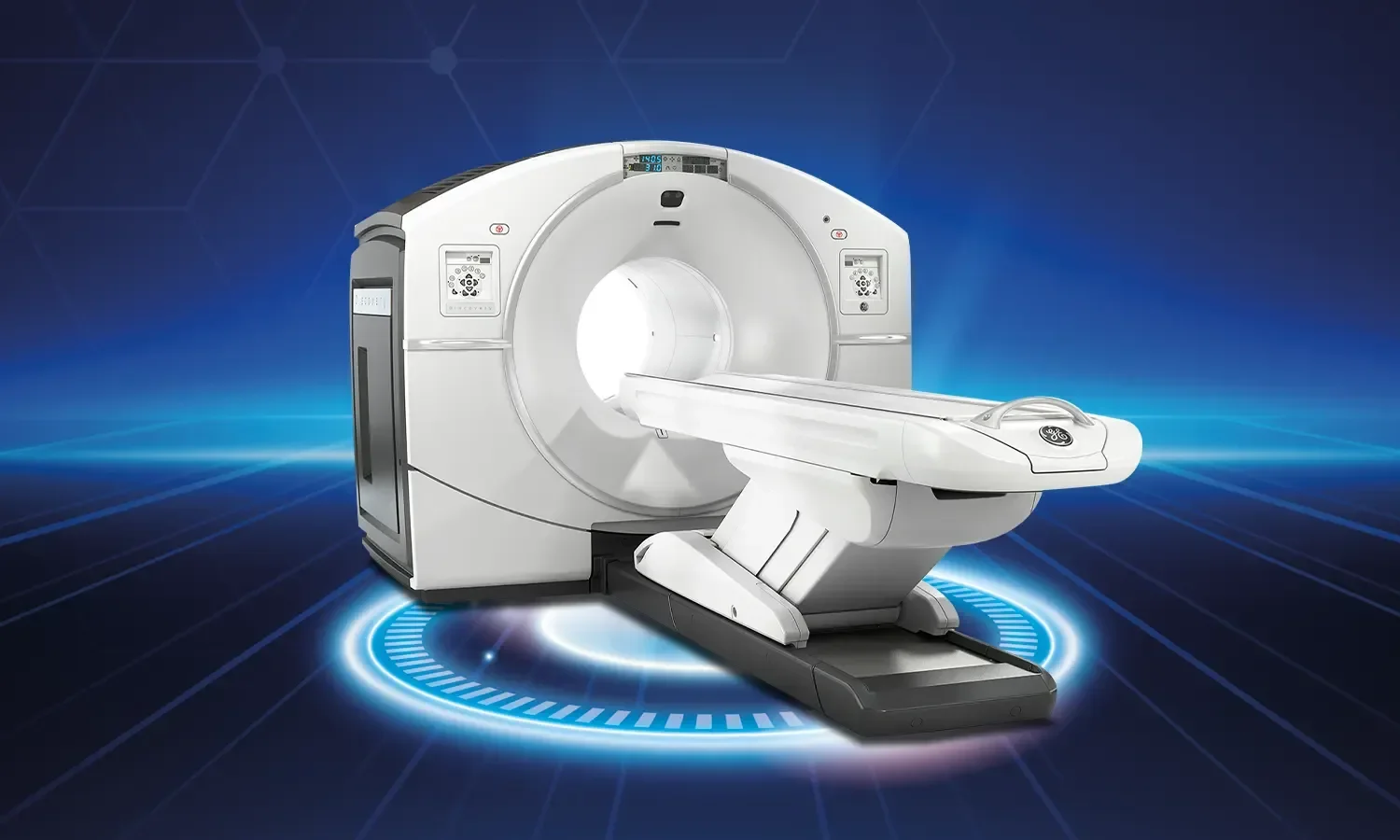
Before treatment, a multidisciplinary oncology board evaluates the patient. A medical oncologist, interventional radiologist, hepatologist, nuclear medicine specialist, and general surgeon perform the treatment planning together. A tumor map is created using MRI, CT, and PET-CT imaging. In the first stage, planning angiography is performed to identify the vessels feeding the tumor and to embolize any vessels that might cause "leakage." The amount of leakage to the lungs is measured with MAA (macroaggregated albumin) scintigraphy, and the appropriate dose is calculated.
Treatment Phase
In the actual treatment session, a catheter inserted through the femoral artery is advanced to the liver artery. Y90 microspheres are delivered to the tumor vessels in a controlled manner. The procedure takes an average of 1-2 hours and is usually performed under local anesthesia. The patient generally does not feel significant discomfort during the treatment; mild fatigue is common after the procedure.
Post-Treatment Process
The patient is monitored for 24 hours and then discharged. Treatment response is evaluated with follow-up imaging at the 4-6 week mark. If necessary, an additional session can be planned, or it can be combined with other treatment methods. Treatment follow-up is continued with regular blood tests and imaging.
Points to Consider
Points that patients and their relatives should pay attention to during the treatment process include:
- Mild fatigue and abdominal pain are normal in the first week after treatment.
- High fluid intake and a balanced diet are recommended.
- Follow-up appointments should not be missed.
- A physician should be consulted in case of high fever, jaundice, or severe abdominal pain.
- Close contact with pregnant individuals or those planning pregnancy requires caution for a certain period.
- Liver function tests are monitored regularly.
- Over-the-counter medications should not be used without a physician's recommendation.
- Lifestyle recommendations that support the immune system should be followed.
- Receiving psychological support positively affects the recovery process.
Multidisciplinary Oncological Approach with Y90 Therapy
A single method may not be sufficient in the treatment of liver tumors. Y90 microsphere therapy is combined with other methods such as chemotherapy, targeted drugs, immunotherapy, and surgical treatment to create a treatment plan tailored to the patient's specific condition. In some patients, Y90 therapy shrinks the tumor, allowing for subsequent surgical resection or making the patient eligible for a liver transplant. In this respect, Y90 is not an isolated treatment but an important link in the modern oncological treatment chain.
Evaluation of Treatment Response
Evaluating the success of Y90 therapy requires special criteria beyond the classic measurement of tumor size. In addition to the reduction in tumor size after treatment, the viability characteristics of the tumor are monitored via MRI and PET-CT. The formation of necrosis in the tumor, a decrease in contrast uptake, and a regression in metabolic activity are indicators of a successful treatment response. Therefore, follow-up imaging is evaluated with special protocols; mRECIST or EASL criteria are used instead of standard RECIST criteria. Patients are informed about the follow-up process in detail to prevent unnecessary anxiety.
As Koru Hospital, we offer our patients the most advanced opportunities provided by the modern world in the treatment of liver tumors with our multidisciplinary team consisting of specialists in interventional radiology, medical oncology, nuclear medicine, and hepatology in the field of Y90 microsphere therapy. We evaluate each patient individually and aim for the highest treatment success with personalized dosing and planning. Our tumor board determines the most appropriate treatment strategy by examining each patient's clinical status, stage characteristics, and general health profile in detail. We consider providing both medical and moral support to our patients and their relatives during this challenging process as the foundation of our duty; we are honored to stand by you in the fight against liver cancer by combining the possibilities of modern medicine with our international quality standards and patient-oriented service approach.