Cardiovascular Surgery
Our cardiovascular surgery unit performs all cardiovascular operations, including coronary bypass, valve surgery and aortic surgery, with advanced technology.
Cardiovascular Surgery is an advanced surgical specialty that encompasses the surgical treatment of the heart, major blood vessels, and the peripheral vascular system. The scope of this department includes the treatment of conditions requiring surgical intervention across a wide spectrum of diseases, ranging from coronary artery disease to aortic aneurysms, and from heart valve diseases to peripheral vascular occlusions. The Koru Hospital Department of Cardiovascular Surgery offers patients the safest surgical treatment options with its expert surgeons, modern operating room equipment, and intensive care infrastructure.
Scope of the Department
The Department of Cardiovascular Surgery covers all conditions requiring surgical treatment of the cardiovascular system. This department provides multidisciplinary treatment services to patients by working in close cooperation with the cardiology, anesthesiology, pulmonology, and radiology departments.
The primary service areas of the department are as follows:
- Coronary artery bypass grafting (CABG): Bridging blocked or narrowed coronary arteries with bypass grafts
- Heart valve surgery: Repair of damaged heart valves or replacement with prosthetic valves
- Aortic surgery: Surgical treatment of aortic aneurysm and aortic dissection
- Peripheral vascular surgery: Treatment of occlusions and dilations in leg and arm vessels
- Venous surgery: Varicose vein surgeries and treatment of deep vein thrombosis
- Congenital heart surgery: Surgical correction of congenital heart anomalies
Common Diseases and Surgical Indications
Coronary artery disease: This is the narrowing or blockage of the coronary arteries that supply the heart due to atherosclerosis (hardening of the arteries). In cases where medication and interventional cardiology procedures are insufficient, coronary artery bypass graft (CABG) surgery is performed. In this surgery, new blood pathways are created beyond the blocked arteries using vessels taken from other parts of the body. The off-pump bypass technique is also successfully performed at Koru Hospital.
Heart valve diseases: Stenosis (narrowing) or regurgitation (leakage) can develop in any of the heart's four valves. Mitral valve and aortic valve diseases are the most common valve pathologies requiring surgical intervention. Repair is preferred in cases where valve repair is possible; in patients where repair cannot be performed, replacement with a mechanical or biological prosthetic valve is applied. The TAVI (Transcatheter Aortic Valve Implantation) method, which has developed in recent years, offers an alternative option for patients at high risk for open surgery.
Aortic aneurysm: This is an abnormal dilation of the aorta, the body's largest artery. It is divided into thoracic aortic aneurysm and abdominal aortic aneurysm. When an aneurysm exceeds a certain size, the risk of rupture increases, requiring emergency surgical intervention. Endovascular aneurysm repair (EVAR) and open surgical repair options are available.
Aortic dissection: This is a tear in the inner layer of the aortic wall, causing the layers to separate. It is a life-threatening emergency and usually requires urgent surgical intervention. Sudden onset, tearing-type chest or back pain is the most typical symptom.
Peripheral artery disease: This is the narrowing or blockage of arm and leg arteries due to atherosclerosis. Leg pain while walking (claudication), coldness in the legs, color changes, and non-healing wounds are the main symptoms. In advanced stages, gangrene may develop, and the risk of amputation arises. Bypass surgery, endarterectomy, and endovascular interventions are among the treatment options.
Varicose veins: This is the dilation and twisting of veins due to the loss of function of the valves in the leg veins. It causes pain, swelling, cramps, and skin changes in the legs. Endovenous laser treatment (EVLT), radiofrequency ablation, and surgical stripping are among the treatment methods.
Carotid artery stenosis: This is the narrowing of the neck arteries that supply the brain. It significantly increases the risk of stroke. With carotid endarterectomy surgery, the obstructive plaque is removed to secure cerebral blood flow.
Deep vein thrombosis (DVT) and pulmonary embolism: The formation of a clot in deep veins and the migration of this clot to the lung vessels to cause an embolism is a life-threatening condition. Surgical thrombectomy or the placement of a vena cava filter may be necessary.
Diagnostic Methods
The primary methods used for accurate diagnosis in cardiovascular surgery patients are:
- Echocardiography: The primary imaging method that evaluates the structure and function of the heart using ultrasound. It provides information about valve diseases, heart chamber sizes, and cardiac contraction function.
- Coronary angiography: Imaging of coronary arteries under X-ray by injecting contrast material. The location and degree of the blockage are determined.
- CT angiography: Three-dimensional imaging of the vascular structure using computed tomography. It is used in the diagnosis of aortic aneurysm, peripheral vascular diseases, and pulmonary embolism.
- Color Doppler ultrasonography: Evaluation of the structure of blood vessels and blood flow using ultrasound. It is an indispensable method in the diagnosis of carotid stenosis, peripheral artery disease, and deep vein thrombosis.
- MR angiography: Imaging of the vascular structure using magnetic resonance. The absence of radiation is a significant advantage.
- Cardiac catheterization: Performed for the measurement of pressures in the heart chambers and hemodynamic evaluation.
Surgical Treatment Methods
The primary surgical methods applied in the Koru Hospital Department of Cardiovascular Surgery are:
Coronary artery bypass surgery: Can be performed using a heart-lung machine (on-pump) or on a beating heart (off-pump). The internal mammary artery (IMA), saphenous vein, and radial artery are used as grafts. Surgeries performed through small incisions with minimally invasive coronary surgery shorten the recovery time.
Valve repair and replacement: Damaged valves are repaired whenever possible. When repair is not possible, they are replaced with a mechanical valve (requires lifelong anticoagulant therapy) or a biological valve (has a limited lifespan but does not require anticoagulants).
Aortic surgery: Synthetic graft interposition and the Bentall procedure (replacement of the aortic root along with the valve) are applied in aneurysm repair. Endovascular stent graft placement is a minimally invasive alternative.
Peripheral bypass surgery: New blood pathways are created beyond blocked leg arteries using synthetic or autogenous grafts. Femoral-popliteal and femoral-tibial bypass surgeries are the most frequently performed peripheral vascular surgeries.
Endovascular interventions: These are minimally invasive procedures performed inside the vessels with the help of a catheter. Balloon angioplasty, stent placement, and endovascular aneurysm repair fall into this group.
Varicose vein treatment: Minimally invasive methods such as endovenous laser ablation and radiofrequency ablation are applied as alternatives to surgery.
When Should You Consult Cardiovascular Surgery?
- Chest pain or tightness triggered by exertion
- Shortness of breath, palpitations, and feeling of fainting
- Leg pain while walking and cramps that subside with rest
- Non-healing wounds or color changes in the legs
- Visible varicose veins, swelling, and pain in the legs
- Sudden onset, severe chest or back pain
- Sudden swelling, redness, and increased heat in the leg (suspicion of DVT)
- Recommendation for surgical treatment by a cardiologist
- Growth monitoring of a known aortic aneurysm
- History of carotid stenosis or transient ischemic attack
Preoperative Preparation and Postoperative Care
The preoperative preparation process plays a critical role in the success of cardiovascular surgeries. At Koru Hospital, every patient undergoes a comprehensive evaluation before surgery. Cardiac risk assessment, pulmonary function tests, detailed blood tests, and necessary imaging examinations are completed to determine the patient's suitability for surgery. Chronic diseases are brought under control, and blood-thinning medications are regulated with appropriate timing.
In the postoperative period, patients are primarily followed under close monitoring in the cardiovascular intensive care unit. Hemodynamic parameters, heart rhythm, respiratory functions, and drain status are continuously monitored. Early mobilization of patients moving from intensive care to the ward is ensured to reduce the risk of complications.
The cardiac rehabilitation program is an integral part of the postoperative recovery process. Patients are supported in returning to their daily activities safely through gradual exercise programs, breathing exercises, and lifestyle counseling accompanied by physiotherapists. Long-term follow-up of patients is ensured through regular check-up appointments after discharge.
Controlling risk factors is of great importance to improve the quality of life of patients who have undergone cardiovascular surgery and to reduce the risk of reoperation. Smoking cessation, healthy nutrition, regular exercise, and blood pressure and cholesterol control are the keys to long-term success.
Why Koru Hospital Department of Cardiovascular Surgery?
The Koru Hospital Department of Cardiovascular Surgery performs heart and vascular surgeries safely with high success rates. With an experienced surgical staff, high-tech operating rooms, and a fully equipped cardiovascular intensive care unit, it is ensured that patients receive the best care before, during, and after surgery.
A Heart Team approach is adopted in our hospital. For every patient, the most appropriate treatment method is decided through the joint evaluation of the cardiovascular surgeon, cardiologist, anesthesiologist, and other necessary specialists. This multidisciplinary approach guarantees that the patient is offered the safest and most effective treatment.
Prioritizing minimally invasive surgical techniques ensures that patients experience less pain, have shorter hospital stays, and return to daily life faster. The recovery process of patients is supported by postoperative rehabilitation programs.
In the Koru Hospital Cardiovascular Surgery department, our specialist physicians are by your side for your heart and vascular health with the latest surgical techniques and advanced technology. You can contact us for detailed information and to schedule an appointment.
Our Doctors
Kalp ve damar cerrahisinde ileri teknoloji kullanan uzman cerrahlarımız
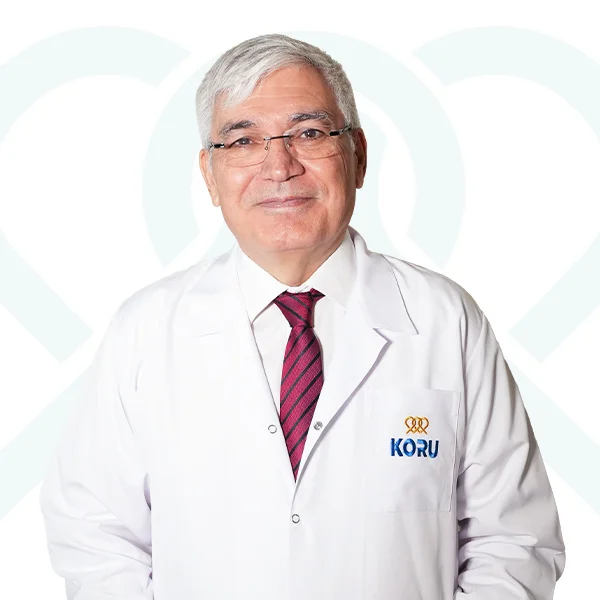
Prof. Dr. Birol Yamak
Cardiovascular Surgery Specialist Koru Ankara Hastanesi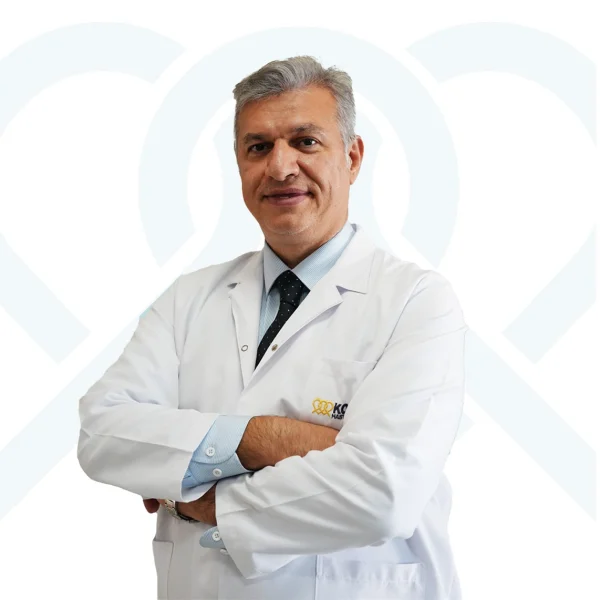
Prof. Dr. Erdal Şimşek
Cardiovascular Surgery Specialist Koru Kavaklıdere Hastanesi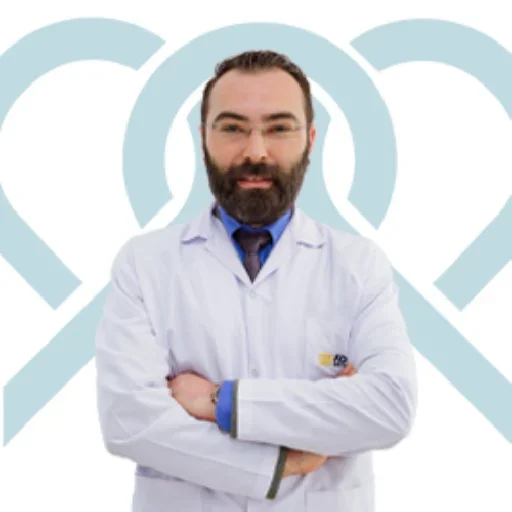
Op. Dr. Emre Aygün
Cardiovascular Surgery Specialist Koru Ankara Hastanesi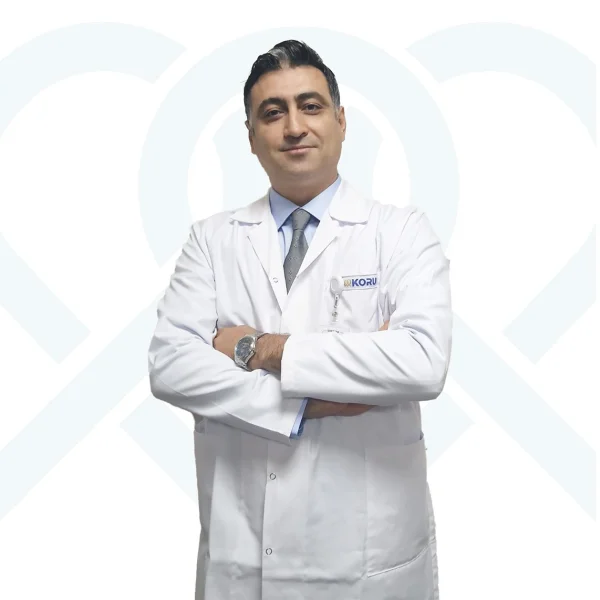
Uzm. Dr. Gökay Deniz
Cardiovascular Surgery Specialist Koru Kavaklıdere Hastanesi