Tonsil and adenoid enlargement are common health issues in both children and adults that directly affect quality of life. While these structures are important components of the immune system, their removal may be necessary in cases of chronic infection, excessive enlargement, or recurrent inflammation. Although traditional surgical methods have been applied as the standard treatment for many years, the postoperative pain, risk of bleeding, and long recovery processes experienced by patients have led to new pursuits. Today, the most modern and patient-friendly method that meets this need stands out as plasma radiofrequency surgery.
What is Plasma Radiofrequency Surgery?
Plasma radiofrequency surgery is an advanced surgical method that uses controlled plasma energy at low temperatures to precisely cut tissues while simultaneously sealing small blood vessels. Compared to classic electrocautery or scalpels, the thermal damage to surrounding tissues is significantly lower. The method works at temperature values between 40-70 degrees Celsius, dissolving the targeted tissue at a molecular level. During this process, surrounding healthy tissues are protected, the surgical field remains clean, and the surgeon's field of view is maximized.
Working Principle
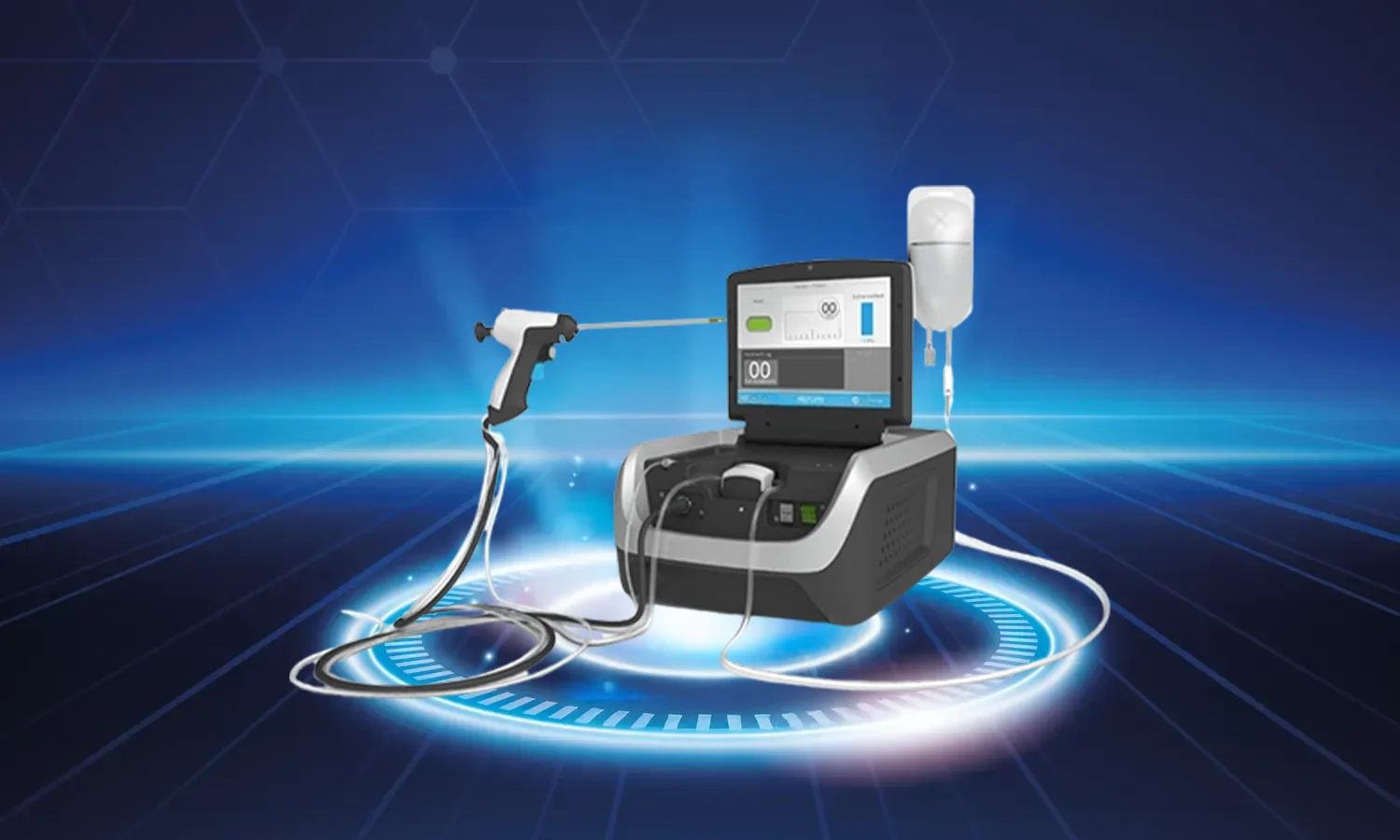
Plasma surgery works by creating ionized gas through radiofrequency waves passing through a special tip. This plasma field dissolves the tissue without burning it. At the same time, it stops bleeding by coagulating small capillary vessels. As a result, the field of view remains clear during surgery, the surgeon can work with more control, and the operation time is shortened. Since the device tip is very small, it can be successfully applied even in anatomically difficult-to-reach areas.
In Which Diseases Is It Used?
Plasma radiofrequency surgery is preferred in the treatment of many ailments in the field of ear, nose, and throat:
- Chronic tonsillitis: Throat infections that recur several times a year
- Tonsillar hypertrophy: Enlargements leading to difficulty swallowing and sleep apnea
- Adenoid enlargement: Nasal congestion, snoring, mouth breathing
- Recurrent middle ear infections: Eustachian tube dysfunction caused by adenoids
- Speech disorders: Nasal speech, phonation problems
- Obstructive sleep apnea syndrome: Childhood sleep disorders
- History of recurrent pharyngitis and peritonsillar abscess
- Cryptic tonsils causing tonsil stones or bad breath
Advantages of the Plasma Method
Compared to classic tonsil and adenoid surgeries, the advantages offered by the plasma radiofrequency method are distinct:
- Minimal bleeding: Since vessels are sealed simultaneously, the risk of postoperative bleeding is very low.
- Less pain: Because surrounding tissues are protected, postoperative pain complaints are reduced.
- Rapid recovery: The patient can usually return to daily life within 3-5 days.
- Short operation time: The procedure is completed in an average of 20-30 minutes.
- Low complication rate: The risk of infection and tissue damage is reduced.
- Early transition to nutrition: The patient can start consuming liquids and soft foods in a shorter time after surgery.
- Less need for painkillers: Medication consumption during the recovery process is significantly reduced.
- Easy tolerance in pediatric patients: The recovery period is more comfortable in pediatric cases.
How Does the Treatment Process Progress?
Before treatment, a detailed ear, nose, and throat examination is performed. The patient's throat, adenoid, ear, and nasal structures are evaluated. In necessary cases, endoscopic evaluation and a sleep study may be planned. Preoperative blood tests, coagulation tests, and anesthesia consultation are completed. Informing the family and the patient in detail about the surgical process is important for treatment success.
Operation Phase
The procedure is performed under general anesthesia through the mouth; no skin incision is made. With the help of a special device with a plasma tip, the tonsils are removed by shrinking them completely or partially. The adenoid tissue is also cleared in the same session. After surgery, the patient is taken to the ward after being monitored for a short time in the recovery room. For children, having a parent stay with them is of great importance from a psychological perspective.
Discharge and Recovery
Most patients are discharged on the same day or the next day. Cold foods are preferred for the first 24 hours; consuming ice cream, yogurt, and milk both reduces pain and supports nutrition. In the following days, a gradual transition to soft foods is made. Full recovery is completed within 7-10 days, and the patient returns to normal activities.
Points to Consider
There are some important points that patients and their relatives should pay attention to in the postoperative process:
- Hot, spicy, and hard foods should be avoided for the first week.
- Consuming plenty of fluids accelerates recovery and prevents dehydration.
- Prescribed painkillers and antibiotics should be used regularly according to physician instructions.
- Heavy physical activities and sports should be postponed for the first 10 days.
- The formation of a white layer at the wound site is normal and is part of the healing process; it should not be interfered with.
- A physician must be consulted in case of fever, bleeding, difficulty swallowing, or foul-smelling breath.
- At least two weeks should be waited for air travel and pool use.
- The return time to school for pediatric patients should be determined according to physician recommendation.
Differences Between Plasma Surgery and the Classic Method
The differences between plasma radiofrequency surgery and traditional tonsil surgeries are quite distinct in terms of patient experience. While the entire tonsil is dissected in the classic method, the integrity of the tissue is preserved in the plasma method, and only the problematic area is treated. This minimizes trauma to the throat muscles and vessels, especially in pediatric patients. In adult patients, the reduction in loss of labor and the preservation of postoperative quality of life stand out. From the surgeon's perspective, the surgical field remains constantly clean thanks to the plasma device, and surgical precision is increased.
Special Approach for Pediatric Patients
When deciding on tonsil and adenoid surgeries in pediatric patients, factors such as the frequency of recurrence of the disease, the child's growth and development status, and sleep quality are evaluated together. The plasma method is also safely applied in pediatric cases, and the fact that children can return to school in a shorter time in the postoperative period is an important advantage that reduces the concerns of families. Furthermore, since the bleeding rate during the procedure is very low, the anesthetic time is shortened, thereby reducing the duration of exposure to anesthesia for pediatric patients.
As Koru Hospital, we perform tonsil and adenoid surgeries at international standards with our experienced ear, nose, and throat specialists in the field of plasma radiofrequency surgery and our state-of-the-art devices. We safely offer this modern treatment method where our patients experience less pain, recover faster, and return to daily life in a short time. With our comfortable hospital environment that considers the special needs of our pediatric patients, our multidisciplinary team approach, and our international quality standards, we manage the tonsil and adenoid surgery process in a safe and successful manner without causing stress for both the patient and their families; we are honored to be with you at all stages from pre-surgery to post-discharge.