Gastroenterology
In the gastroenterology unit, advanced endoscopic methods are used to diagnose diseases of the stomach, intestines, liver and pancreas and apply treatment protocols.
Gastroenterology is the branch of internal medicine that covers the diagnosis, treatment, and follow-up of digestive system diseases. All diseases of organs such as the esophagus, stomach, small intestine, large intestine, liver, gallbladder, bile ducts, and pancreas fall within the scope of gastroenterology. The Koru Hospital Gastroenterology Department provides comprehensive healthcare services to its patients with advanced diagnostic methods and an experienced specialist staff.
Scope and Importance of Gastroenterology
The digestive system is one of the most complex and extensive organ systems in our body. The approximately 9-meter-long digestive tract, extending from the mouth to the anus, plays a critical role in the digestion and absorption of nutrients and the elimination of waste products. Gastroenterologists are responsible for the diagnosis and treatment of all kinds of functional and organic disorders occurring in this system.
Digestive system diseases are among the most common health problems worldwide. Conditions such as reflux, gastritis, ulcers, irritable bowel syndrome, fatty liver, and intestinal polyps are quite common in the community. Early diagnosis and correct treatment of these diseases directly affect the quality of life of patients.
Major Gastroenterological Diseases
Gastroesophageal Reflux Disease (GERD)
Gastroesophageal reflux disease is a chronic condition caused by stomach acid flowing back into the esophagus. Heartburn, a bitter taste in the mouth, chronic cough, and hoarseness are the primary symptoms. If left untreated, it can lead to serious complications such as Barrett's esophagus and esophageal cancer. Treatment involves lifestyle changes, medication, and surgical intervention when necessary.
Gastritis and Peptic Ulcer
Gastritis is the inflammation of the stomach lining. Helicobacter pylori infection, excessive alcohol consumption, stress, and irregular use of painkillers are among the most common causes. Peptic ulcers are open sores that form on the lining of the stomach or the duodenum. It manifests with symptoms such as abdominal pain, bloating, nausea, and loss of appetite. Endoscopic evaluation is the gold standard method in the diagnostic process.
Inflammatory Bowel Diseases
Crohn's disease and ulcerative colitis are chronic inflammatory diseases of the digestive system. Abdominal pain, bloody diarrhea, fever, weight loss, and fatigue are the main symptoms. These are lifelong conditions characterized by periods of flare-ups and remission. Treatment involves immunosuppressive drugs, biological agents, and surgical intervention when necessary.
Liver Diseases
The liver is the largest internal organ of the body and performs more than 500 vital functions. Hepatitis B and C viral infections, alcoholic liver disease, non-alcoholic fatty liver disease (NAFLD), autoimmune hepatitis, and liver cirrhosis are the primary liver diseases. NAFLD, in particular, has become an increasingly common health problem with the rise of obesity and metabolic syndrome. Regular check-ups are of great importance as it may not show symptoms in the early stages.
Gallbladder and Bile Duct Diseases
Gallstones are the most common gallbladder disease. Pain in the upper right abdomen, nausea, vomiting, and intolerance to fatty foods are the main symptoms. Bile duct obstructions, cholangitis, and gallbladder polyps are also conditions frequently evaluated in gastroenterology practice. Endoscopic retrograde cholangiopancreatography (ERCP) is an important method used for both diagnostic and therapeutic purposes.
Pancreatic Diseases
Acute pancreatitis and chronic pancreatitis are serious diseases characterized by inflammation of the pancreas. They present with symptoms such as severe abdominal pain, nausea, vomiting, and fever. Gallstones and excessive alcohol consumption are the most common causes. Pancreatic cancer is a disease that is difficult to diagnose due to the lack of early symptoms and has a serious prognosis.
Colon and Rectal Diseases
Colorectal cancer is one of the most common types of cancer in the world. It may not show symptoms in the early stages; however, blood in the stool, changes in bowel habits, unexplained weight loss, and abdominal pain are warning signs. Regular colonoscopy screening starting from the age of 50 is a life-saving approach for the early diagnosis and prevention of colorectal cancer. Detecting and removing polyps at an early stage largely prevents the development of cancer.
Diagnostic Methods
Various advanced diagnostic methods are used in modern gastroenterology practice:
- Upper gastrointestinal endoscopy (gastroscopy): Visualization of the esophagus, stomach, and duodenum and taking biopsies
- Colonoscopy: Evaluation of the entire large intestine, polyp removal, and cancer screening
- Endoscopic ultrasonography (EUS): Detailed imaging of the digestive tract wall and surrounding tissues
- ERCP: Imaging of the bile and pancreatic ducts and therapeutic interventions
- Capsule endoscopy: Imaging of the small intestines with a swallowable camera
- Fibroscan: Non-invasive measurement of liver stiffness
- Hydrogen breath test: Diagnosis of lactose intolerance and small intestinal bacterial overgrowth
- Esophageal pH monitoring: Objective evaluation of reflux disease
Endoscopic Treatment Methods
Endoscopic treatment methods have shown great development in the field of gastroenterology. Many procedures such as polypectomy, mucosal resection, submucosal dissection, endoscopic hemostasis, variceal ligation, balloon dilation, stent placement, and gallstone removal via ERCP are now performed endoscopically without the need for surgery. Thanks to these minimally invasive approaches, patients recover in a shorter time and can quickly return to their daily lives.
Functional Gastrointestinal Disorders
Irritable bowel syndrome (IBS) is a functional bowel disease that is quite common in the community. It presents with symptoms such as abdominal pain, bloating, gas, diarrhea, or constipation. Although no organic cause can be detected, it significantly affects the quality of life of patients. Treatment involves dietary regulation, stress management, probiotic use, and symptomatic medication.
Functional dyspepsia is also a common condition. It is characterized by a feeling of fullness in the upper abdomen, early satiety, burning, and pain. After excluding organic causes, lifestyle changes and medication are applied in treatment.
Celiac Disease and Food Intolerances
Celiac disease is an autoimmune bowel disease that develops against gluten. It can manifest with various symptoms such as chronic diarrhea, abdominal pain, bloating, weight loss, anemia, and osteoporosis. Serological tests and small intestine biopsy are used for diagnosis. Its treatment is a lifelong gluten-free diet. Lactose intolerance, fructose malabsorption, and other food intolerances are also conditions frequently evaluated in gastroenterology practice.
Preventive Health in Gastroenterology
A healthy lifestyle is of great importance in preventing digestive system diseases:
- Adopting a balanced and fiber-rich diet
- Consuming sufficient amounts of water
- Engaging in regular physical activity
- Avoiding alcohol and smoking
- Applying stress management techniques
- Using medications under physician supervision
- Getting the Hepatitis B vaccine
- Having regular colonoscopy screenings starting from age 50
- Starting screening at an early age if there is a family history of digestive system cancer
Advantages of Koru Hospital Gastroenterology Department
The Koru Hospital Gastroenterology Department serves its patients with a multidisciplinary approach. By working in coordination with general surgery, oncology, radiology, pathology, and nutrition specialists, the most appropriate treatment plan is created for each patient. With state-of-the-art endoscopy units, an experienced specialist staff, and a patient-oriented service approach, it aims to be a reliable health center for digestive system diseases.
In the Koru Hospital Gastroenterology department, our specialist physicians provide comprehensive and high-quality healthcare services to our patients by applying the most current scientific approaches in the diagnosis and treatment of digestive system diseases.
Our Doctors
Sindirim sistemi hastalıklarında ileri endoskopik yöntemler kullanan uzmanlarımız
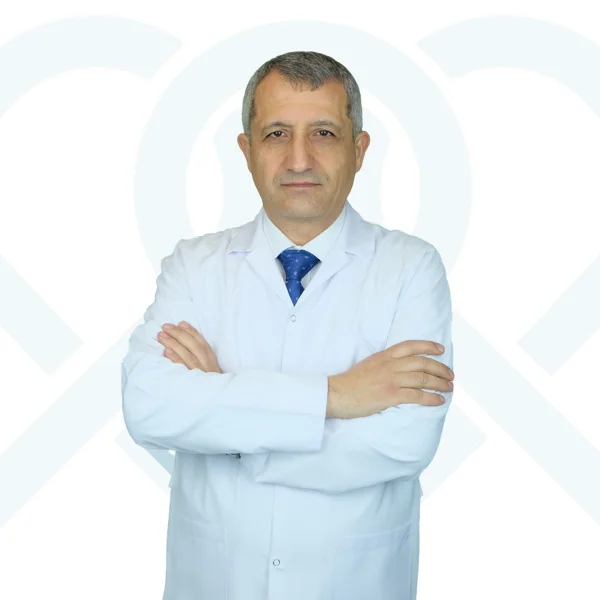
Prof. Dr. İbrahim Doğan
Gastroenterology Specialist Koru Ankara Hastanesi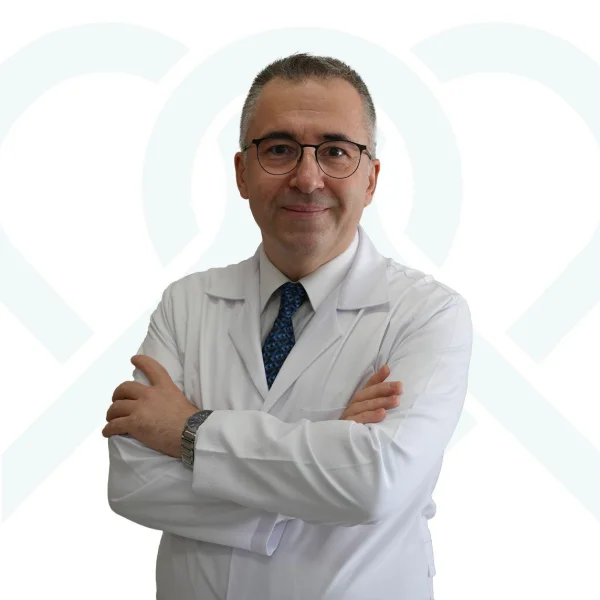
Prof. Dr. Musa Aydınlı
Gastroenterology Specialist Koru Ankara Hastanesi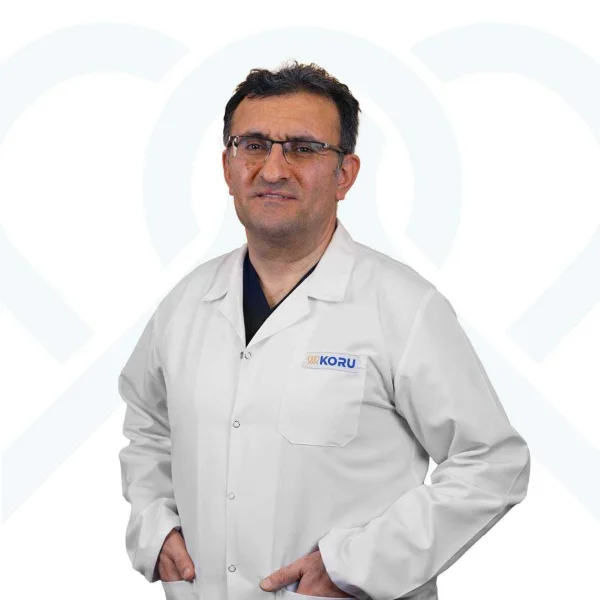
Doç. Dr. Timuçin Aydoğan
Gastroenterology Specialist Koru Kavaklıdere Hastanesi