HIPEC (Hyperthermic Intraperitoneal Chemotherapy) is an advanced surgical oncology method used in the treatment of cancers that have spread into the abdomen. Known as "hot chemotherapy," this technique involves the surgical removal of tumors in the abdominal cavity, followed by the direct administration of chemotherapy drugs heated to a high temperature into the abdomen. Providing promising results in some cancer types previously considered hopeless, HIPEC holds an important place in modern oncology practice. Combined with cytoreductive surgery, this approach can significantly extend life expectancy in cancers with abdominal spread and, in some cases, achieve a complete cure.
What is HIPEC and How Does It Work?
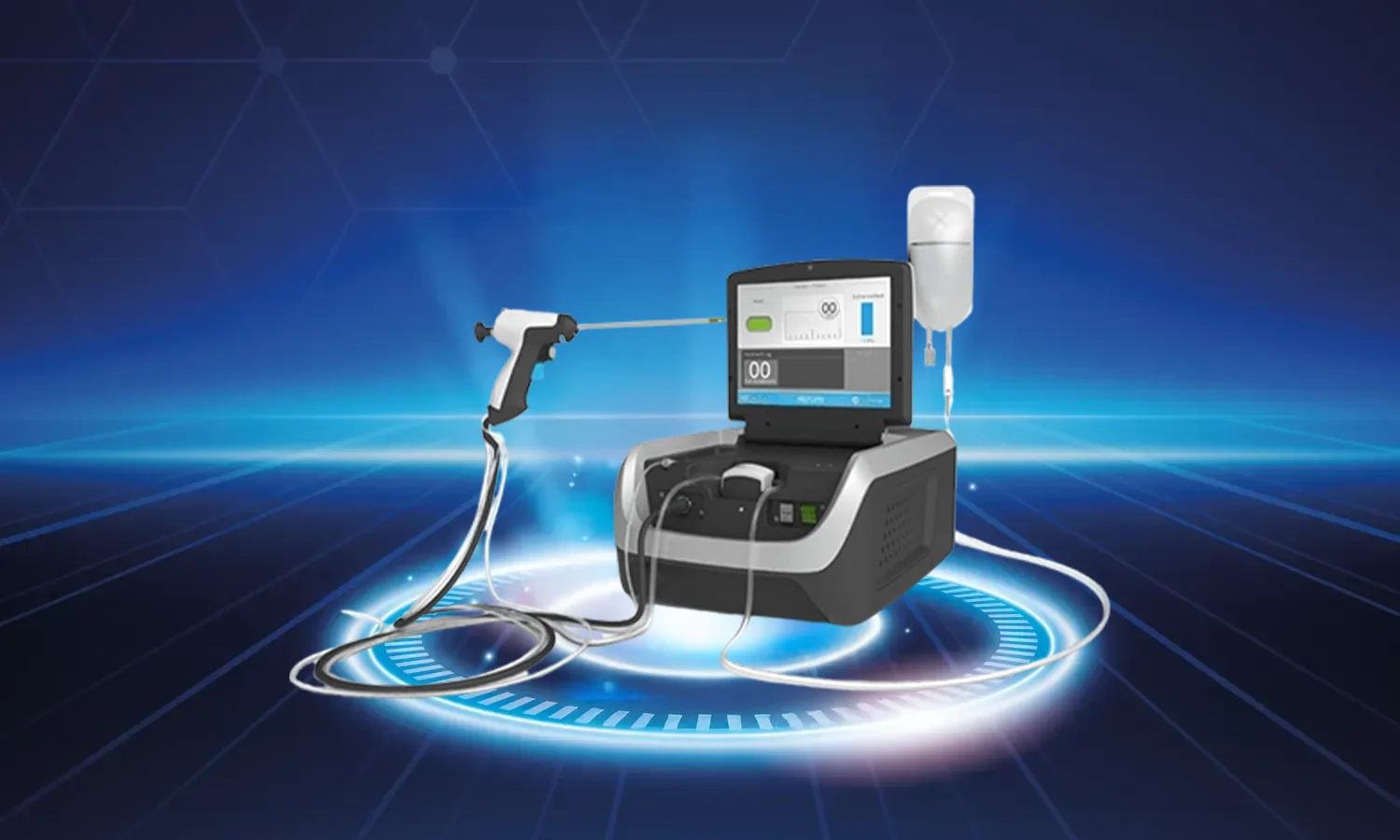
HIPEC is a combined approach applied alongside cytoreductive surgery (CRS) for the treatment of cancers with abdominal spread. First, all visible tumor tissues in the abdomen are surgically removed, and then a chemotherapy solution heated to 41-43°C is circulated in the abdominal cavity for approximately 60-90 minutes. High temperature increases the sensitivity of cancer cells to drugs, while normal cells are more resistant to this heat. Catheters are placed into the abdomen, and the drug is circulated under continuous temperature control using a specialized HIPEC perfusion device. During this process, the abdominal cavity is kept under constant homogeneous heat distribution, ensuring the drug effectively reaches all surfaces.
Working Principle
The mechanism of action of HIPEC treatment is based on several fundamental principles:
- Thermal effect: High temperature disrupts the DNA repair mechanisms of cancer cells.
- High concentration: High doses of drugs that cannot be administered intravenously are applied directly.
- Local targeting: The drug acts only within the abdominal cavity, minimizing systemic side effects.
- Micrometastasis treatment: Microscopic cancer cells remaining after surgery are destroyed.
- Synergistic effect: Heat and chemotherapy together are much more effective than either alone.
- Mechanical cleaning: Free tumor cells are removed during the circulation of the fluid.
- Increased penetration: Heat increases the penetration of drugs into deep tissue layers.
In Which Diseases Is It Used?
HIPEC is used in the treatment of various types of cancer that show abdominal spread:
- Peritoneal cancer (peritoneal carcinomatosis): Cancers that have spread to the abdominal lining.
- Appendix cancer (pseudomyxoma peritonei): The disease for which HIPEC is the gold standard treatment.
- Gastric cancer: Selected cases with abdominal spread.
- Colorectal cancer: Colon or rectal cancer with peritoneal metastasis.
- Ovarian cancer: Especially recurrent or advanced-stage ovarian cancer.
- Mesothelioma: Peritoneal mesothelioma is a rare but important indication.
- Sarcoma: Intra-abdominal soft tissue sarcomas.
- Prophylactic use: For preventive purposes in cases with a high risk of recurrence.
- Primary peritoneal cancer: Rare tumors originating from the peritoneum.
- Granulosa cell tumors: Ovarian tumors that have spread into the abdomen.
Advantages of HIPEC
The clinical benefits provided by this complex treatment are extremely significant:
- Prolongation of life expectancy: Expectations that were previously 6-12 months can be extended to years.
- Effective treatment in a single session: Surgery and chemotherapy are combined in one operation.
- Reduced systemic side effects: Since the drug remains in the abdominal cavity, hair loss and nausea are reduced.
- High local drug concentration: Drugs are applied at doses that cannot be reached intravenously.
- Effect on micrometastases: Small tumor cells that cannot be seen during surgery are treated.
- Improvement in quality of life: Symptoms such as ascites are reduced.
- Curative potential: A complete cure can be achieved in some cases.
- Multidisciplinary approach: Collaborative work of surgery, oncology, and intensive care specialists.
- Modern technology support: Safe application with continuous temperature and perfusion control.
Treatment Process
Before HIPEC, the patient undergoes a detailed evaluation. Imaging studies (CT, MRI, PET-CT), laboratory tests, and cardiac and respiratory function tests are performed, and the evaluation is completed by a multidisciplinary tumor board. The extent of the patient's abdominal spread is determined by the PCI (Peritoneal Carcinomatosis Index) score. In suitable patients, the operation usually lasts 6-12 hours. In the first stage, the abdomen is opened, and all visible tumor tissues are surgically removed (cytoreductive surgery). At this stage, parts or all of several organs may sometimes be removed; the peritoneum may be stripped over a large area. After tumor removal is complete, catheters are placed into the abdomen, and a chemotherapy solution (usually mitomycin C, oxaliplatin, or cisplatin) heated to 41-43°C is circulated for 60-90 minutes using a special HIPEC device. After the solution is drained and the abdomen is cleaned, the surgery is concluded. The patient is monitored in the intensive care unit for 1-3 days, and the total hospital stay is usually 10-14 days. Full recovery takes 4-8 weeks.
Points to Consider
Since HIPEC is a complex and high-risk treatment, it should only be performed by specialized multidisciplinary teams in experienced centers. Patient selection is of great importance; general health status, the degree of cancer spread (PCI score), and whether complete tumor removal is possible are determining factors. HIPEC is generally not suitable for patients with extra-abdominal organ metastasis. Complications such as bleeding, anastomotic leakage, kidney failure, cardiac problems, and infection may occur. It is essential that patients and their relatives are informed in detail about the treatment process, expected results, and risks. Long-term oncological follow-up is required after treatment. In some patients, adjuvant systemic chemotherapy may be planned after HIPEC. In elderly patients and those with poor performance scores, the risk-benefit balance should be evaluated meticulously.
Life and Follow-up After HIPEC
Lifestyle changes and regular oncological follow-up are of great importance after HIPEC treatment. The first 6 months after surgery are considered the full recovery period; during this time, a balanced diet, gradual transition to physical activity, and psychological support support the success of the treatment. A diet plan suitable for bowel functions is prepared with the help of a nutritionist. Regular tumor markers, CT or MRI imaging, and PET-CT scans when necessary play a critical role in early detection of recurrence. In some cases, a second HIPEC operation (re-do HIPEC) can be performed, and successful results can be achieved again in selected patients. The patient's daily quality of life is mostly regained, and social activities continue. A multidisciplinary follow-up team consisting of oncology, surgery, nutrition, and psychology experts significantly increases long-term survival and quality of life. Family support and communication with patient associations also provide valuable resources during the treatment process.
As Koru Hospital, we perform HIPEC treatment in our surgical oncology and general surgery departments with a multidisciplinary team approach in our operating rooms equipped with modern technology. With our experienced surgeons, oncologists, and intensive care specialists, we offer promising advanced treatment options for patients with abdominal spread. We determine the most appropriate treatment plan for each patient by making a detailed evaluation in our tumor board and aim to keep our patients' quality of life at the highest level.