Thulium laser is a high-tech laser type used in medical applications and is widely used in various fields, particularly in urology, primarily for prostate treatment. Operating with the use of the high-energy thulium element, this laser can perform precise cutting and vaporization on target tissue while causing minimal damage to surrounding tissues. It is at the forefront of minimally invasive treatment options in modern urological practice and offers many advantages compared to traditional surgery.
How Does Thulium Laser Work?
The thulium laser is used to vaporize prostate tissue and open the inner part of the prostate. This procedure is performed to shrink the enlarged part of the prostate and improve urine flow. Since the thulium laser causes less thermal damage than other lasers, it results in less damage to surrounding tissues and can lead to a faster recovery process. Because the absorption of laser energy in water is high, tissues are cut with extreme precision, and bleeding is stopped instantly. This means a clearer field of view and safer intervention during surgery.
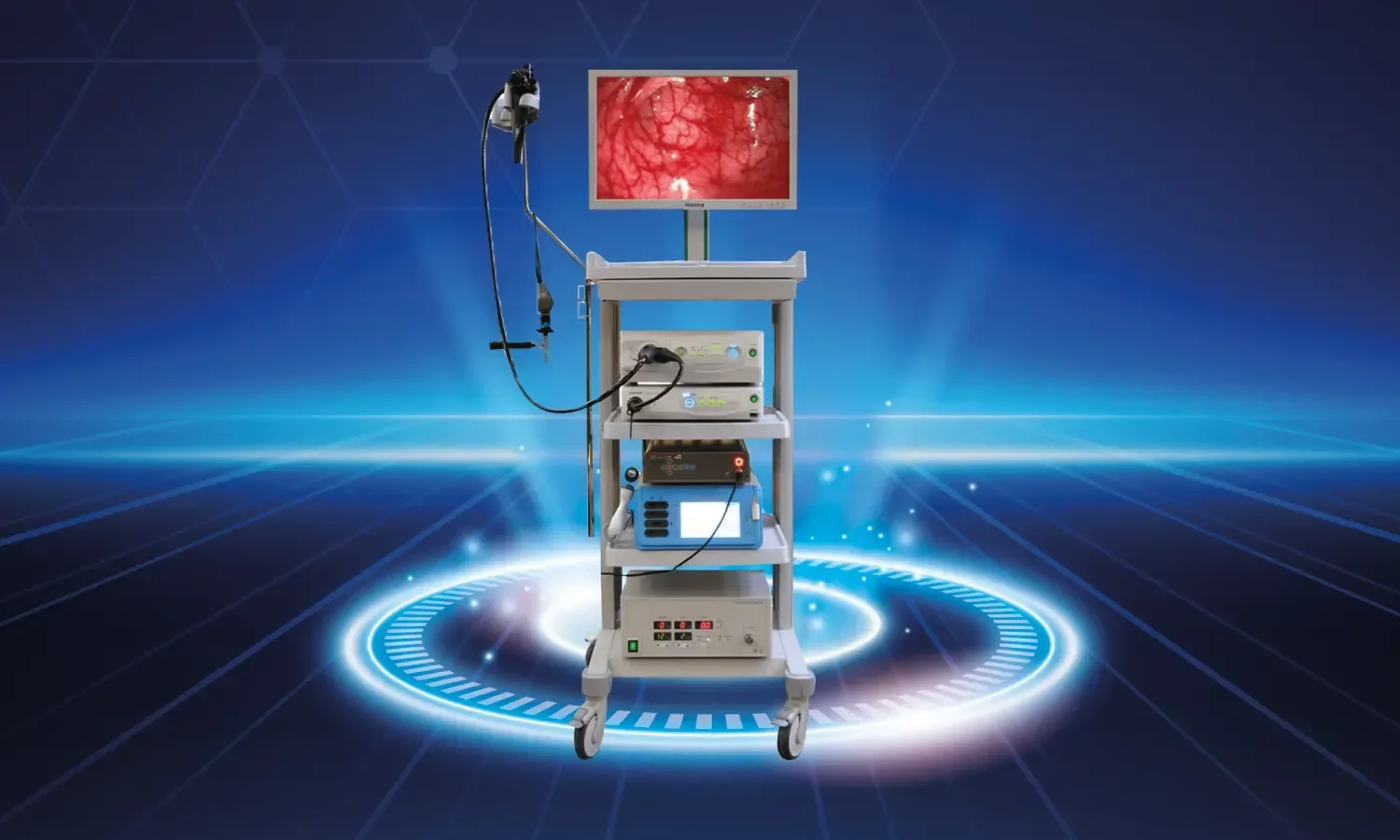
Thulium laser is a minimally invasive method and is generally applied endoscopically, meaning through an endoscope. For patients, this means less postoperative pain, a shorter hospital stay, and faster recovery. Furthermore, it can be safely applied even in patients using anticoagulants (blood thinners). The laser's operation in a continuous wave form ensures homogeneous and rapid tissue processing, which shortens the procedure time.
Areas of Use for Thulium Laser
- BPH (Benign Prostatic Hyperplasia) Treatment: In BPH, which occurs with the enlargement of the prostate during the aging process, the thulium laser is used to vaporize prostate tissue or remove it via the enucleation (ThuLEP) method. This reduces symptoms related to prostate enlargement and improves urine flow.
- Ureteral Stones: It can be used for breaking and fragmenting stones in the ureter; it is effective in treating large stones that require surgery or stones that do not respond to other treatments.
- Treatment of Bladder Tumors: It is used for the endoscopic removal of tumors within the bladder; it provides a minimally invasive approach and rapid recovery.
- Prostate Cancer Treatment: It can be used for the removal or reduction of tumors in selected patients, particularly those with early-stage prostate cancer.
- Urethral Strictures: It provides a controlled incision for opening urethral strictures.
- Bladder neck contractures
- Upper urinary tract tumors: In selected cases of renal pelvis and ureteral tumors.
Advantages of Thulium Laser
- Less bleeding: The risk of bleeding is significantly lower compared to traditional surgical methods; it can be safely applied even in patients using anticoagulants.
- Minimally invasive approach: No skin incision is made on the body; it is applied endoscopically through the natural urinary tract.
- Fewer side effects: The risk of damaging surrounding healthy tissues is reduced; it contributes to the preservation of sexual functions.
- Faster recovery: Short hospital stay and quick return to daily life.
- Wide patient compatibility: Can be safely applied to elderly patients and those with comorbidities.
- Continuous emission: Thanks to the continuous wave form, the procedure time is shortened, and tissue processing efficiency is increased.
- Shorter catheter duration: The duration the urinary catheter remains in place is shorter compared to other methods.
- Effective even in large prostates: Offers an alternative to open surgery for prostates over 100-200 grams.
- Applicability without dimensional limits: An effective solution in cases where classic TUR-P is limited.
- Possibility of histopathological examination: When enucleation is performed, the tissue can be sent for pathology.
Treatment Process
Before thulium laser treatment, a urological examination, uroflowmetry, PSA test, and, if necessary, urodynamic studies are performed. The patient's detailed medical history is evaluated, current medications are reviewed, and additional tests are requested if necessary. Following anesthesia consultation, the procedure begins under general or spinal anesthesia. The endoscope is advanced through the urinary tract, and once the prostate or target area is reached, vaporization or enucleation of the tissue is performed with the laser fiber. In the ThuLEP technique, the inner tissue of the prostate is separated from the surrounding capsule, moved into the bladder, fragmented, and removed.
The procedure usually takes 60-90 minutes; a short-term catheter is applied post-surgery. Patients can usually be discharged within 1-2 days and return to their daily lives within a few days. Improvement in urine flow usually becomes noticeable from the first weeks. Full recovery and the return of the urinary tract to normal may take 4-6 weeks. Treatment success is evaluated with regular follow-up examinations; uroflowmetry and objective assessment of urinary complaints are the primary methods used in follow-up.
Points to Consider
Although the thulium laser is a safe method, as with any surgical procedure, side effects such as temporary frequent urination, burning during urination, mild bleeding, and temporary urinary incontinence may occur. These side effects usually resolve within a few weeks. Retrograde ejaculation (semen flowing into the bladder) may be seen in some patients; this condition is harmless but should be explained to patients beforehand. It is recommended to consume plenty of fluids after the procedure and to avoid heavy physical activities and sexual intercourse for a certain period. Regular follow-up examinations are important for evaluating treatment success. Using the medications recommended by your physician regularly and adhering to follow-ups accelerates the recovery process. It is recommended to avoid intense physical activity, heavy lifting, and long journeys for a few weeks after the procedure.
Thulium Laser at Koru Hospital
As Koru Hospital, we offer our patients minimally invasive treatment options with our experienced specialist staff in the field of urology and our high-tech thulium laser system. With our modernly equipped operating rooms, experienced anesthesia team, and comprehensive inpatient facilities, we achieve high success rates in the treatment of conditions such as benign prostate enlargement, ureteral stones, and bladder tumors. A treatment plan specific to each patient is created, and our patients are supported throughout the entire process, from preoperative evaluation to postoperative follow-ups. In our multidisciplinary team, urology specialists, the anesthesia team, nurses, and physiotherapists work together meticulously to make the postoperative recovery period as comfortable as possible. With our patient-centered approach, we provide detailed information before the procedure, regular follow-ups afterward, and necessary lifestyle recommendations, ensuring our patients return to their health in the fastest and safest way. As Koru Hospital, our goal is to support our patients in regaining their quality of life in the shortest time and at the highest standards with the minimally invasive methods offered by modern medicine.