Pediatric Hematology and Oncology
The pediatric hematology and oncology unit diagnoses and treats childhood cancers, primarily leukemia, lymphoma and blood disorders, with an expert team.
Pediatric hematology and oncology is a highly specialized branch of medicine that undertakes the diagnosis, treatment, and follow-up of blood diseases and cancers seen in childhood. This field offers a holistic approach to pediatric patients by combining the disciplines of hematology (the study of blood) and oncology (the study of cancer). The Pediatric Hematology and Oncology Department at Koru Hospital offers hope and healing to its young patients with its expert physicians and multidisciplinary team.
What Does Pediatric Hematology and Oncology Deal With?
Pediatric hematologists evaluate diseases affecting red blood cells, white blood cells, platelets, and coagulation factors. Pediatric oncologists perform the diagnosis and treatment of benign and malignant tumors that emerge during childhood. Since these two fields are closely related, they are generally combined under a single specialty umbrella.
Childhood cancers show significant differences from adult cancers in terms of both biological characteristics and response to treatment. The vast majority of childhood cancers are treatable, and overall survival rates have increased significantly today. This success is a result of early diagnosis, effective treatment protocols, and a child-specific approach.
Hematological Diseases (Blood Diseases)
Anemias
Anemia is the most common hematological problem in childhood. It can occur due to various reasons:
- Iron deficiency anemia: It is the most common type of anemia in childhood. Malnutrition, rapid growth, and iron malabsorption are the primary causes. It manifests itself with weakness, pallor, loss of appetite, and difficulty concentrating.
- Thalassemia: It is a hereditary blood disease that affects hemoglobin structure. The carrier state is common in our country, and severe forms require regular blood transfusions.
- Sickle cell anemia: It is a genetic disease that causes deformity of red blood cells. It can progress with painful crises and organ damage.
- Aplastic anemia: It is a condition where the bone marrow cannot produce enough blood cells. It is a serious condition that requires advanced treatment approaches.
- B12 and folic acid deficiency anemias: These are deficiency states that lead to megaloblastic anemia.
Coagulation Disorders
- Hemophilia: It is a bleeding disorder due to the hereditary deficiency of coagulation factors. There are two main types: Hemophilia A (Factor VIII deficiency) and Hemophilia B (Factor IX deficiency).
- Von Willebrand disease: It is the most common hereditary bleeding disorder. It can manifest itself with nosebleeds, gum bleeding, and increased menstrual bleeding.
- Immune thrombocytopenic purpura (ITP): It is a disease that occurs with subcutaneous bleeding and bruising due to a decrease in platelet count.
- Thrombophilia: It is a condition of increased tendency to clot. It is investigated to assess the risk of thrombosis.
Other Hematological Conditions
- Neutropenia: It is a low level of neutrophils, a type of white blood cell, which creates a susceptibility to infections.
- Pancytopenia: It is a condition where all blood cell lines are decreased and requires the investigation of underlying serious causes.
- Hemolytic anemias: It is an anemia profile that develops as a result of red blood cells being destroyed faster than normal.
- Lymphadenopathy: It is the enlargement of lymph nodes and can be due to benign or malignant causes.
Childhood Cancers (Oncological Diseases)
Childhood cancers show different biological characteristics than adult cancers, and response rates to treatment are generally higher. The main childhood cancers are as follows:
Leukemias (Blood Cancers)
- Acute lymphoblastic leukemia (ALL): It is the most common cancer of childhood. Cure rates are over eighty percent with modern chemotherapy protocols. Pallor, weakness, fever, bone pain, and easy bruising are the main symptoms.
- Acute myeloblastic leukemia (AML): It is a type of leukemia that is rarer than ALL but requires more intensive treatment.
- Chronic myeloid leukemia (CML): It is rare in children, but successful results are achieved with targeted therapies.
Lymphomas
- Hodgkin lymphoma: It is a type of cancer originating from lymph nodes and has high cure rates in children. It is characterized by painless lymph node enlargement, fever, night sweats, and weight loss.
- Non-Hodgkin lymphoma: It has subtypes such as Burkitt lymphoma, lymphoblastic lymphoma, and large cell lymphoma. It can cause rapidly growing masses.
Solid Tumors
- Brain tumors: It is the second most common cancer group in childhood after leukemia. It may present with headache, vomiting, vision problems, and balance issues.
- Neuroblastoma: It is a tumor originating from the nervous system. It is usually seen in children under five years of age. It can appear with abdominal swelling, bone pain, and deterioration in general condition.
- Wilms tumor (nephroblastoma): It is a childhood-specific tumor originating from the kidney. It is noticed by a mass in the abdomen and responds well to treatment.
- Soft tissue sarcomas (rhabdomyosarcoma): These are tumors originating from muscle and connective tissue.
- Bone tumors (osteosarcoma, Ewing sarcoma): It is seen especially in the adolescent period. It may present with bone pain and swelling.
- Retinoblastoma: It is a tumor originating from the retina layer in the eye. A white glow in the eye and strabismus may be the first symptoms.
Diagnostic Methods
In the field of pediatric hematology and oncology, accurate and rapid diagnosis directly affects the success of treatment:
- Complete blood count and peripheral smear: Numerical and structural evaluation of blood cells is the first step of diagnosis.
- Bone marrow aspiration and biopsy: It is used in the definitive diagnosis of leukemia and other bone marrow diseases.
- Flow cytometry: It allows the determination of the subtype of the disease by analyzing the surface markers of blood or bone marrow cells.
- Cytogenetic and molecular genetic tests: Chromosome analysis and investigation of gene mutations are critical in treatment planning.
- Imaging methods: The location, size, and spread of tumors are evaluated with ultrasonography, CT, MRI, and PET-CT.
- Tumor biopsy: A tissue sample is taken for pathological examination for the definitive diagnosis of solid tumors.
- Tumor markers: Some substances measured in the blood help in diagnosis and treatment follow-up.
Treatment Methods
Various methods are used in the treatment of childhood blood diseases and cancers:
- Chemotherapy: It forms the basis of cancer treatment. Treatment regimens prepared in accordance with international protocols are applied.
- Radiotherapy: Radiation therapy is applied in certain types of cancer and stages.
- Surgical treatment: Surgical intervention may be required for the removal of solid tumors.
- Bone marrow transplant (hematopoietic stem cell transplant): It is a curative treatment option for some leukemias, severe aplastic anemia, and some hereditary diseases.
- Targeted therapies: Treatment with fewer side effects is possible with drugs that target molecules specific to cancer cells.
- Immunotherapy: These are modern treatment approaches that strengthen the immune system against cancer cells.
- Supportive care: Blood product transfusion, infection prophylaxis, nutritional support, and pain management are integral parts of the treatment process.
When Should You Take Your Child to Pediatric Hematology and Oncology?
- If unexplained pallor, weakness, and fatigue persist
- If easy bruising or subcutaneous bleeding spots occur on the body
- If frequent and prolonged nosebleeds are experienced
- If enlarged lymph nodes are noticed in the neck, armpit, or groin area
- If there is swelling or a mass in the abdomen or any part of the body
- If there is unexplained fever, night sweats, and weight loss
- If bone or joint pain is persistent
- If unexpected low or high blood values are detected
- If there is a family history of blood disease or bleeding disorder
Bone Marrow Transplant and Advanced Treatments
Hematopoietic stem cell transplant (bone marrow transplant) is an important curative treatment option in pediatric hematology and oncology. Bone marrow transplant can be life-saving in high-risk leukemias, relapsed cancers, severe aplastic anemia, hereditary blood diseases such as thalassemia major and sickle cell anemia, and some immunodeficiency syndromes. The transplant can be performed from the patient themselves (autologous) or from a suitable donor (allogeneic). Stem cells from a sibling donor, unrelated donor, or cord blood can be used.
Psychosocial Support and Family-Centered Care
A childhood cancer diagnosis is a process that deeply affects the family as well as the child. At Koru Hospital, the psychological needs of the child and the family are also considered during the treatment process. A child psychologist, social worker, and child life specialists are an integral part of the treatment team. Maintaining the child's school life, protecting peer relationships, and supporting emotional well-being are important components of the treatment plan.
Long-term follow-up after treatment is also an important dimension of pediatric hematology and oncology service. Patients are called for regular check-ups regarding late side effects of treatment, risk of secondary cancer, and psychosocial adjustment. Improving the quality of life after survival is one of the primary goals of this department.
Why Koru Hospital Pediatric Hematology and Oncology?
- Expert team: Experienced specialists who have received special training in pediatric hematology and oncology are on duty.
- Multidisciplinary approach: Coordinated work is carried out with pediatric surgery, radiation oncology, pathology, radiology, and other branches.
- Current treatment protocols: International evidence-based treatment regimens are applied.
- Advanced diagnostic facilities: Molecular genetics, flow cytometry, and advanced imaging methods are under one roof.
- Psychosocial support: Comprehensive psychological support programs for children and families are offered.
- Blood bank services: Infrastructure is available for safe blood product transfusion.
In the Pediatric Hematology and Oncology department at Koru Hospital, our expert physicians offer hope and health to our young patients by applying the most current scientific approaches in the treatment of childhood blood diseases and cancers. We recommend that you apply to our department without delay when you notice symptoms that raise suspicion of a blood disease or cancer in your child.
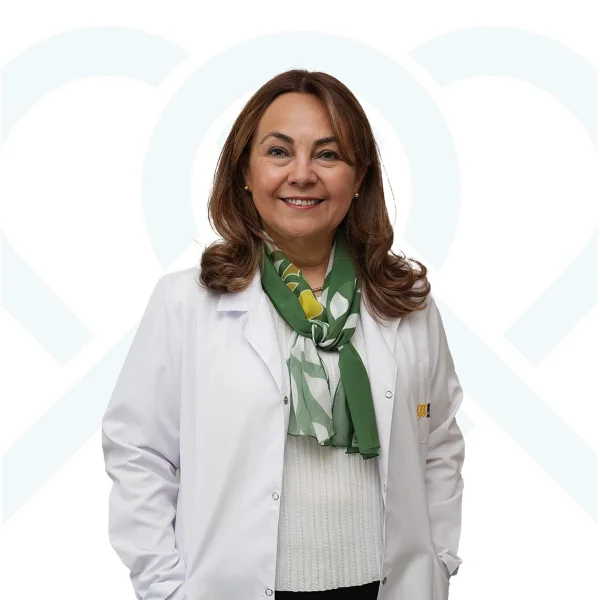
Our Doctors
Çocukluk çağı kan hastalıkları ve kanser tedavisinde uzman kadromuz