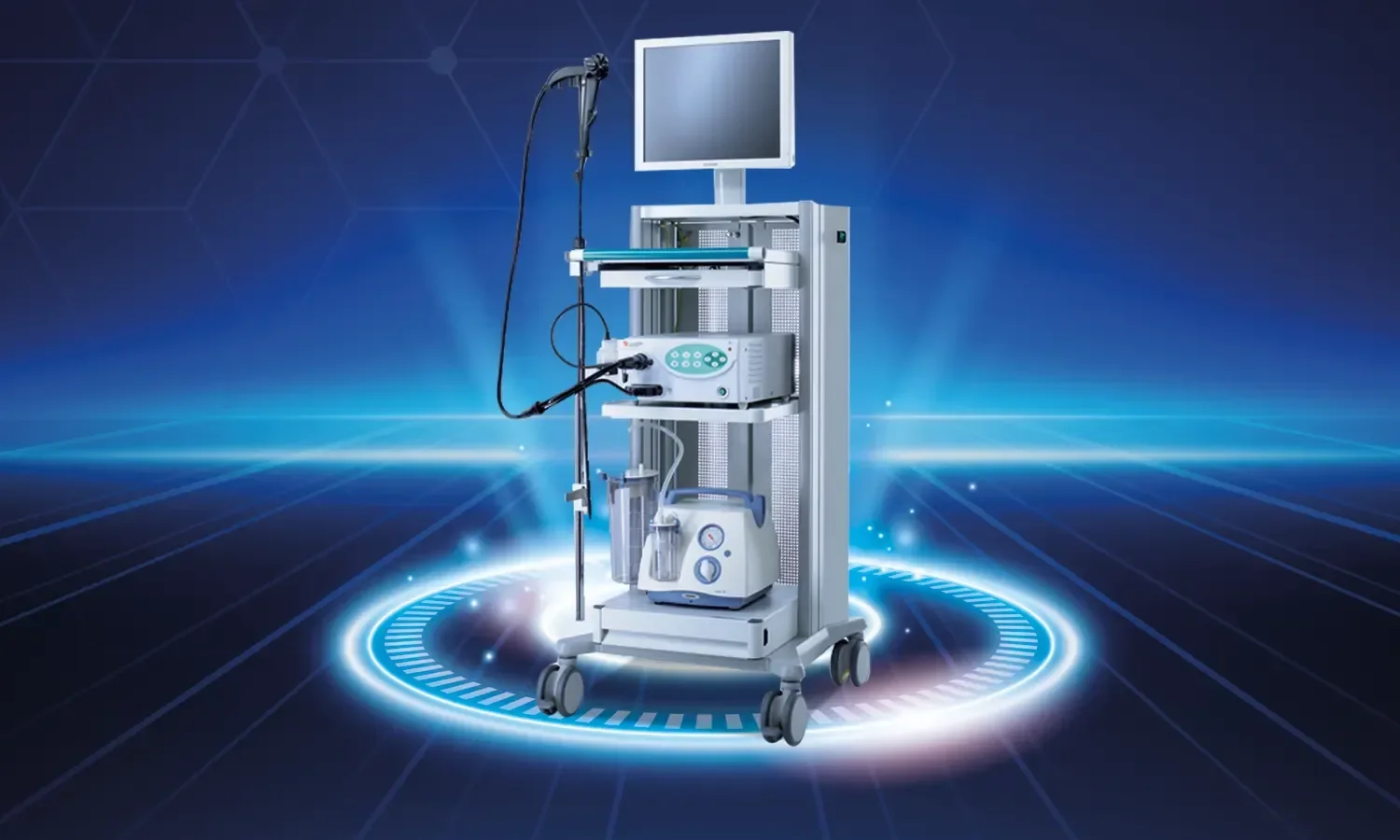
Gamma Knife is an advanced medical device that provides high-dose focused radiation, used in the treatment of certain tumors within the brain and head, abnormal blood vessels, and other lesions. Its name is associated with the word "knife" because the radiation is focused on a specific area almost exactly like a surgeon's scalpel. The device has become an important part of modern neurosurgery by offering the opportunity to intervene in sensitive areas of the brain with sub-millimeter accuracy without the need for open surgery.
What is Gamma Knife and How Does It Work?
Gamma Knife is a method that does not require invasive surgical intervention. It is generally used in the treatment of diseases such as brain tumors, arteriovenous malformations, and trigeminal neuralgia. The device delivers radiation to targeted areas of the lesion with the help of intensely focused gamma rays. These beams target abnormal cells within the lesion while causing minimal damage to the surrounding healthy tissues.
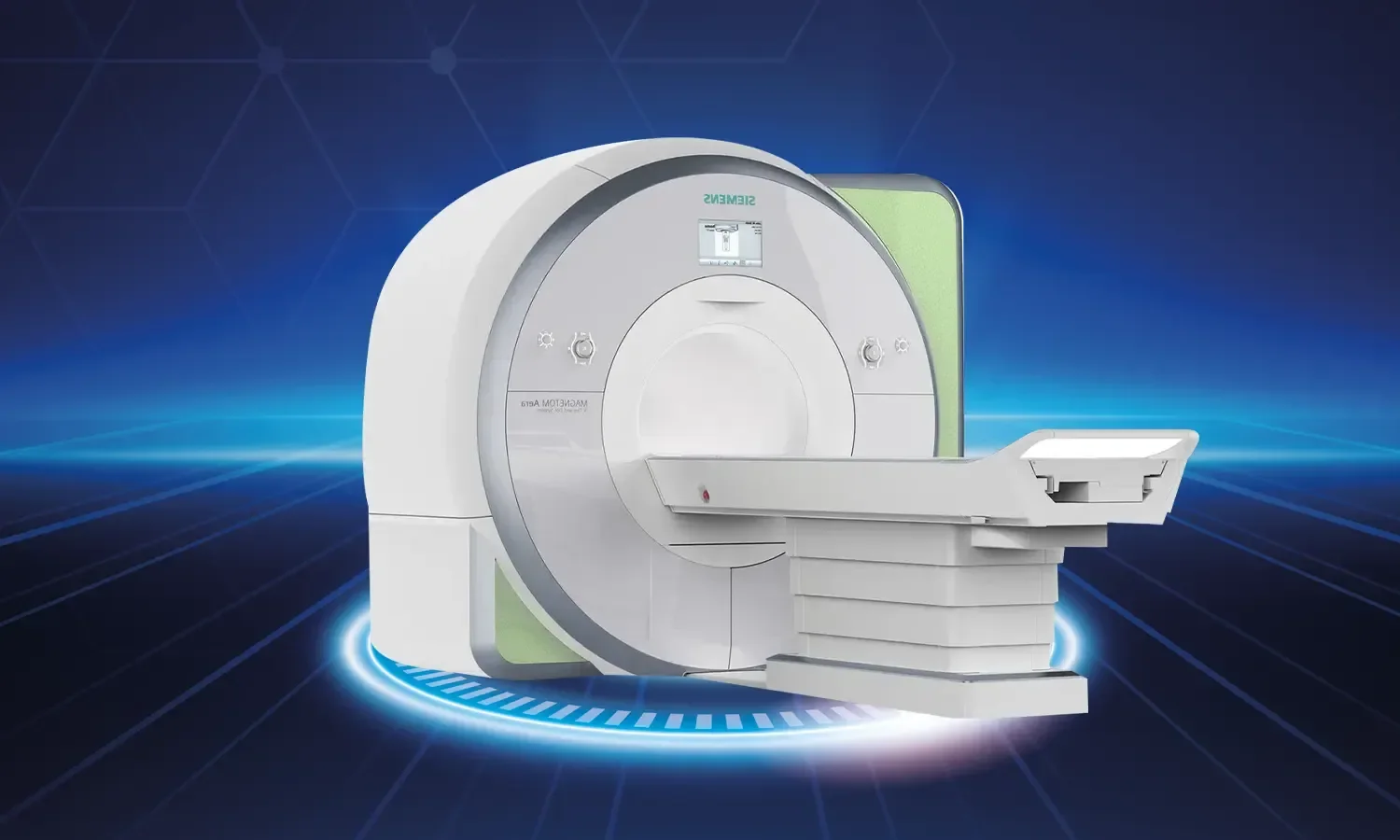
The system combines hundreds of thin gamma ray beams at a single point to create a high treatment dose in the target area. Since a single beam has low energy, healthy tissues along the path to the brain are protected; however, lesion cells at the focus where the beams meet are exposed to a high dose. Before treatment, three-dimensional planning is performed using MRI and CT images, and the coordinates of the target are determined with sub-millimeter accuracy. This approach allows for effective treatment even in deeply located and very small lesions where traditional surgery is risky.
This method, also called stereotactic radiosurgery, is usually applied in a single session, unlike classic radiotherapy. The cellular structure of the lesion deteriorates over time due to the effect of radiation, and its growth stops or it shrinks. Effectiveness is usually evaluated within weeks or months.
Which Diseases Is It Used For?
- Benign brain tumors: Acoustic neuroma, meningioma, and pituitary adenomas
- Malignant brain tumors: Brain metastases, glial tumors, and residual masses after surgery
- Vascular diseases: Arteriovenous malformation (AVM), cavernous angioma, and dural fistulas
- Functional disorders: Trigeminal neuralgia, essential tremor, and selected movement disorders
- Skull base tumors: Glomus tumors and other complex localized lesions
- Deeply located lesions that are risky for surgery
- Complementary treatment for tumors that recur after radiotherapy
Advantages of Gamma Knife
- Opportunity for treatment without opening the skull or making an incision
- Sub-millimeter accuracy with minimal damage to surrounding healthy tissue
- No need for general anesthesia; the patient remains conscious during treatment
- Treatment process that can be completed in a single session in most cases
- Usually same-day discharge and quick return to daily life
- Lower risk of infection, bleeding, and anesthesia complications compared to open surgery
- Safe applicability in elderly patients, those with chronic illnesses, and patients with high surgical risk
- Shorter total treatment time compared to traditional radiotherapy
- Opportunity for re-intervention in patients who have previously undergone surgery
Difference from Other Methods
Gamma Knife is much less invasive than traditional surgery; the skull is not opened, and there is no direct intervention in the brain tissue. Compared to classic fractionated radiotherapy, the treatment can be completed in a single session, and a much sharper dose distribution is provided to the target area. These features make Gamma Knife a particularly strong option for the treatment of small lesions in sensitive anatomical regions. Although it works similarly to Cyberknife or linear accelerator-based stereotactic radiosurgery, the fact that Gamma Knife is specifically designed for intracranial applications offers a significant advantage in terms of clinical experience and accuracy for intracranial lesions.
Treatment Process
Gamma Knife treatment is carried out by expert teams consisting of a neurosurgeon, radiation oncologist, and medical physicist. Before the procedure, a light stereotactic frame is attached to the patient's head under local anesthesia; this frame ensures that the coordinates of the target are determined with sub-millimeter accuracy. In some modern Gamma Knife systems, treatment can be applied without the need for a frame by using a mask-based fixation method. Afterward, MRI and CT images are taken to create a treatment plan. During the planning phase, the dose distribution is calculated in the most appropriate way via computer-aided systems, taking into account the shape, size, and relationship of the lesion with surrounding structures.
The actual treatment session can last from half an hour to several hours; the duration depends on the size and number of lesions. The patient is alone during the treatment but remains in audio and visual communication with the team. No pain is felt during the procedure. After the treatment, the frame is removed, and the patient is sent home after a short observation period. The response in the lesion appears in a process ranging from a few weeks to a few months; therefore, follow-up MRI scans are extremely important in evaluating treatment success.
Things to Consider
Gamma Knife has many advantages compared to invasive surgical procedures; however, like any treatment method, it may involve certain risks and side effects. After treatment, conditions such as temporary headache, nausea, fatigue, mild pain in the area where the frame was applied, or edema in the application area may be observed. These side effects are usually mild and temporary; they can be controlled with short-term medication. The size and location of the lesion and the patient's general health status are important factors affecting treatment success. Very large lesions may not always be suitable for Gamma Knife; in such cases, fractionated radiosurgery or other treatment methods may be preferred. Additionally, long-term follow-up is required to evaluate late radiation-induced side effects. Treatment planning and application must be performed by an experienced and expert healthcare team.
Gamma Knife at Koru Hospital
As Koru Hospital, we offer Gamma Knife treatment safely and effectively with our expert staff experienced in neurosurgery and radiation oncology, our advanced technology imaging infrastructure, and our multidisciplinary approach. A personalized treatment plan is created by meticulously evaluating each patient's clinical history, imaging findings, and general health status. Before treatment, our patients are informed in detail, and our teams work together throughout the process to plan both the treatment and post-treatment follow-ups. We offer a reassuring treatment atmosphere to our patients with our comfortable patient rooms, experienced technicians, and team providing psychological support. As Koru Hospital, our goal is to accompany our patients at every stage of their recovery process, keeping their quality of life at the highest level, and to provide a scientifically based, evidence-supported contribution to their health, within the highest safety and comfort standards offered by modern medicine.