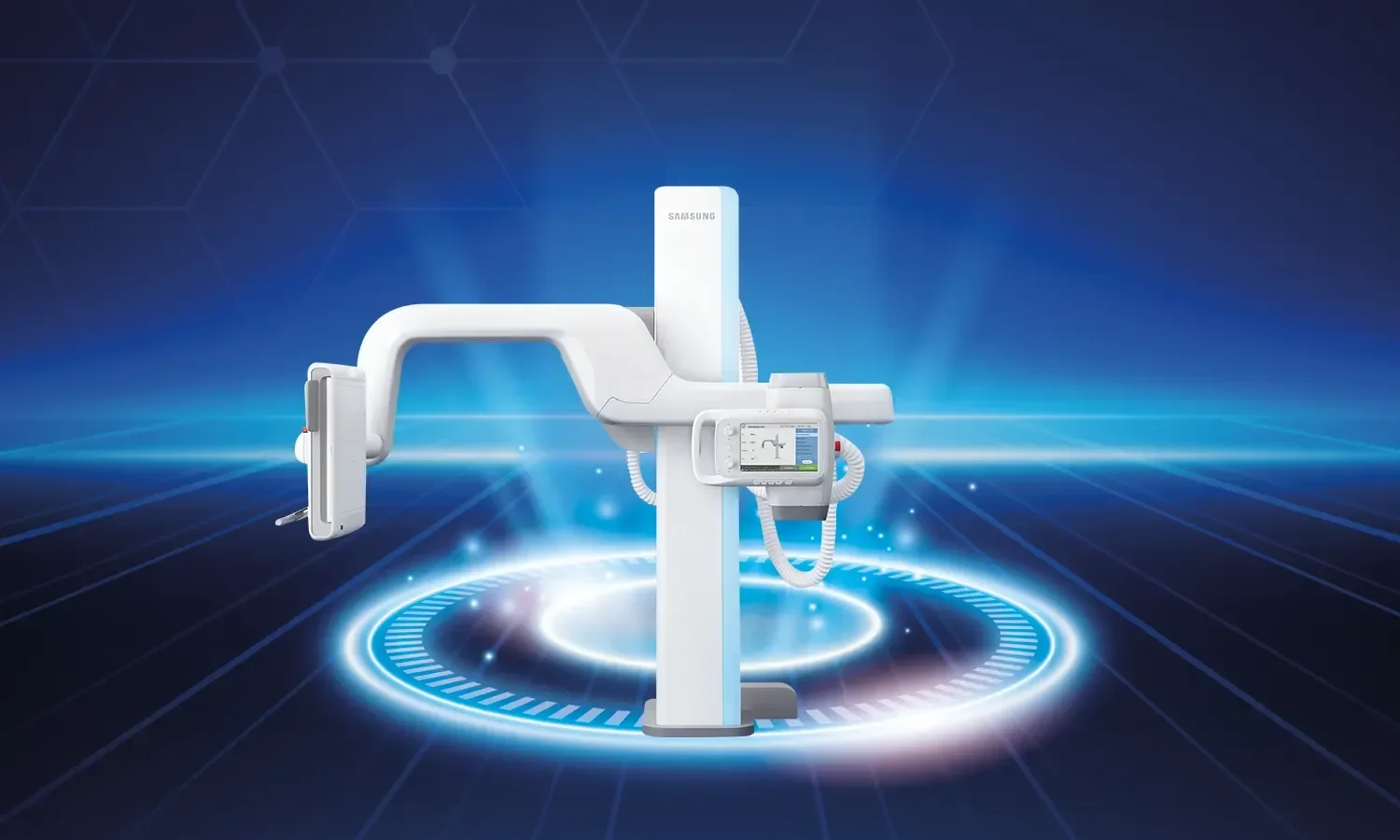
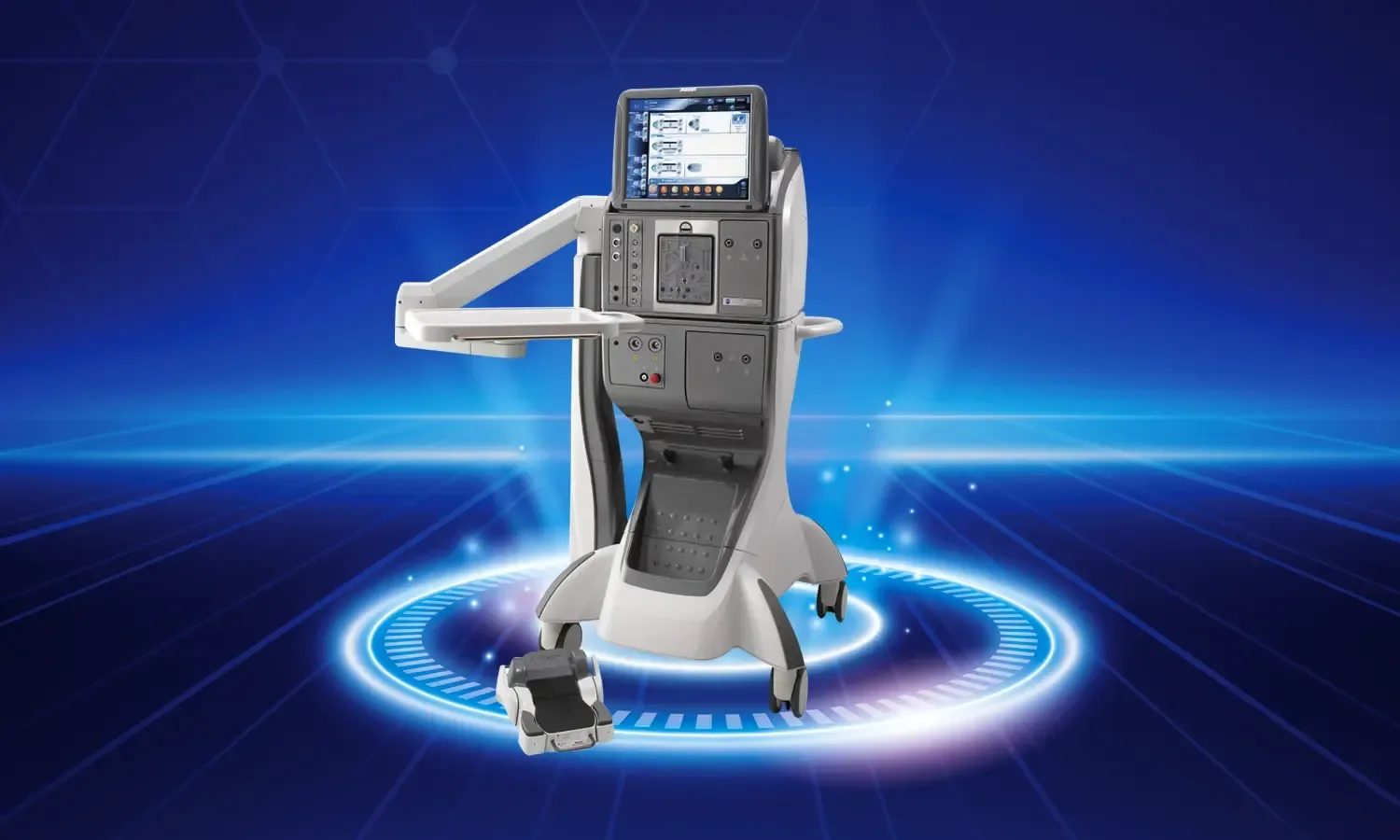
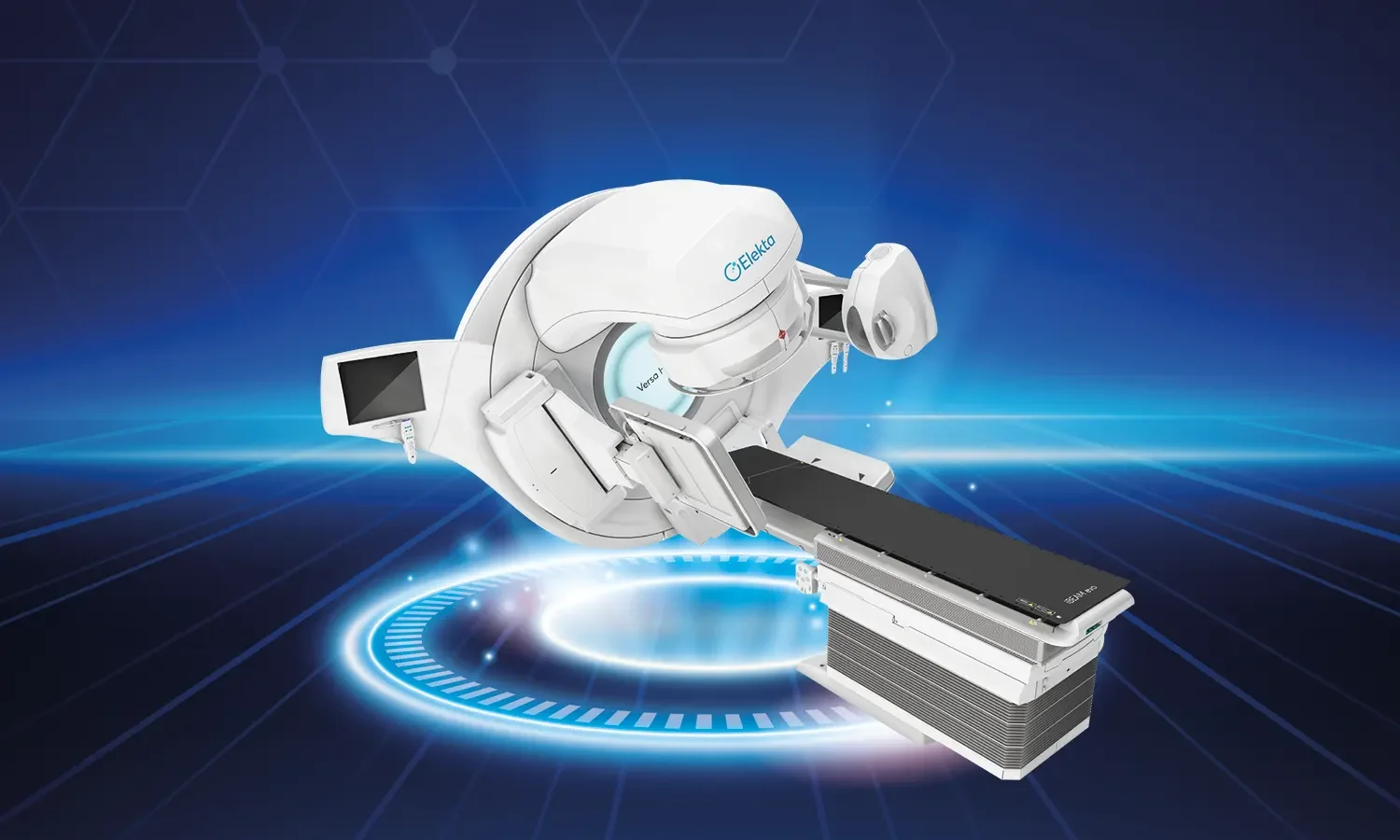
Minimal invasive robotic surgery refers to an approach used to perform surgical interventions with smaller incisions and less tissue damage compared to traditional open surgery. This approach is performed using surgical robots, allowing the surgeon to move with greater precision, obtain better visualization, and perform less invasive procedures. In cardiac surgery, the minimal invasive approach does not require the breastbone to be fully cut, and the surgery can be completed through small entries made between the right ribs. As one of the most significant advancements in modern cardiac surgery, this approach significantly improves quality of life by offering patients less pain, faster recovery, and more aesthetic results.
Working Principle of Minimal Invasive Cardiac Surgery
Minimal invasive robotic surgery is also commonly referred to as robot-assisted surgery or robotic surgery. This approach is based on the principles of minimal invasive surgery combined with the use of surgical robotic systems. Robotic surgical systems include precise robotic arms that allow the surgeon to control surgical instruments and cameras that provide visualization during the surgical procedure. While the surgeon works from a console with a three-dimensional view, the robotic arms translate hand movements to the heart tissue with precision. While some procedures can be performed on a beating heart, others may require heart-lung machine support. Thanks to the heart-lung machine connected via femoral vessels, the integrity of the breastbone is preserved.
In Which Diseases Is It Used?
Heart Valve Diseases
The minimal invasive approach can be applied in the treatment of mitral valve regurgitation, mitral valve stenosis, and aortic valve diseases. Mitral valve repair, in particular, yields extremely successful results with this method. By preserving the patient's own valve, the need for long-term anticoagulant use is eliminated. The minimal invasive approach is also becoming increasingly common for tricuspid valve diseases.
Atrial Septal Defect
Atrial septal defect, defined as a hole between the two atria of the heart, can be successfully closed through small incisions using minimal invasive surgery. In the surgical treatment of congenital heart diseases, this method provides a major advantage, especially in young patients, from an aesthetic perspective.
Coronary Bypass Surgery
In some coronary artery diseases, minimal invasive direct coronary bypass surgery can be applied. In this method, a single-vessel bypass procedure can be performed without cutting the breastbone. This method is highly successful in left anterior descending artery occlusions and is an important part of hybrid revascularization strategies.
Atrial Fibrillation Surgery
The maze procedure applied in the treatment of atrial fibrillation can be performed in a less traumatic way with a minimal invasive approach. The closure of the left atrial appendage is also safely performed with this method. This reduces the risk of stroke and may eliminate the need for anticoagulant medication.
Intracardiac Tumors and Masses
The minimal invasive approach provides significant advantages to the patient in the removal of intracardiac tumors such as myxomas. Complete removal of the tumor and prevention of the risk of embolism can be safely ensured with this method.
Advantages of Minimal Invasive Robotic Surgery
- Smaller incisions: Performing the surgery with smaller incisions than traditional open surgery can accelerate the patient's recovery process and reduce postoperative pain.
- Less blood loss: Smaller incisions and more precise surgical procedures generally result in less blood loss and reduce the need for blood transfusion.
- Faster recovery: Minimal invasive surgery can enable patients to recover faster and shorten the hospital stay.
- Lower risk of complications: Less tissue damage generally reduces the risk of infection and other surgical complications.
- Better visualization and control: Robotic surgical systems provide the surgeon with a better view and allow the surgeon to control surgical instruments more precisely.
- Aesthetic superiority: Since the integrity of the breastbone is preserved, more satisfying results are obtained from a cosmetic standpoint.
- Early return to work: Patients can return to their daily lives and work life much faster.
- Low wound infection: Since sternotomy is not performed, the risk of sternal wound infection is eliminated.
- Less impact on lung functions: Respiratory mechanics are better preserved.
Treatment Process
The treatment process begins with a detailed cardiological evaluation. Echocardiography, coronary angiography, CT, and, if necessary, MRI imaging are performed. The suitability of the minimal invasive approach is determined by evaluating the patient's anatomical structure, the characteristics of the disease, and general health status. The surgery is performed under general anesthesia, and an incision of 5 to 8 centimeters is made in the chest wall. The surgical field is created with single-lung ventilation. The procedure duration is approximately three to five hours. Patients are usually taken to the ward after staying in the intensive care unit for one day and are discharged within four to five days. After discharge, a cardiac rehabilitation program is started, and the recovery process is monitored with regular check-ups.
Things to Consider
Minimal invasive robotic surgery is used in many surgical fields, such as general surgery, urology, gynecology, cardiology, neurosurgery, and orthopedics. However, not every patient may be suitable for the minimal invasive method. Traditional surgery may be preferred for patients with multi-vessel disease, advanced heart failure, or a history of chest surgery. Quitting smoking before surgery, informing the doctor about the medications used, and adhering to the recommended cardiac rehabilitation program accelerate the recovery process. Keeping accompanying diseases such as diabetes and hypertension under control increases success. Regular use of recommended medications in the postoperative period, adherence to the nutrition program, and avoiding activities such as lifting heavy objects are important. In case of redness, discharge, or fever at the wound site, one should apply to the hospital immediately.
Hybrid Cardiac Surgery and Its Future
The hybrid cardiac surgery approach is a modern treatment strategy that combines minimal invasive surgery with catheter-based procedures in the same session. Thanks to this approach, the most suitable treatment combination can be offered according to the patients' anatomical characteristics and disease status. Even in complex heart diseases, maximum treatment success can be achieved with minimum trauma. Robotic surgical systems are constantly evolving, and new-generation devices attract attention with their smaller sizes and advanced maneuverability. Artificial intelligence-supported surgical planning and virtual reality-based training systems will further raise the standards of cardiac surgery in the future. The most current and effective methods are always evaluated for our patients.
As Koru Hospital, we offer world-class treatment to our patients with our experienced cardiovascular surgery team and state-of-the-art minimal invasive surgical systems. We aim to maximize the quality of life of our patients by choosing the least invasive approach in heart diseases.