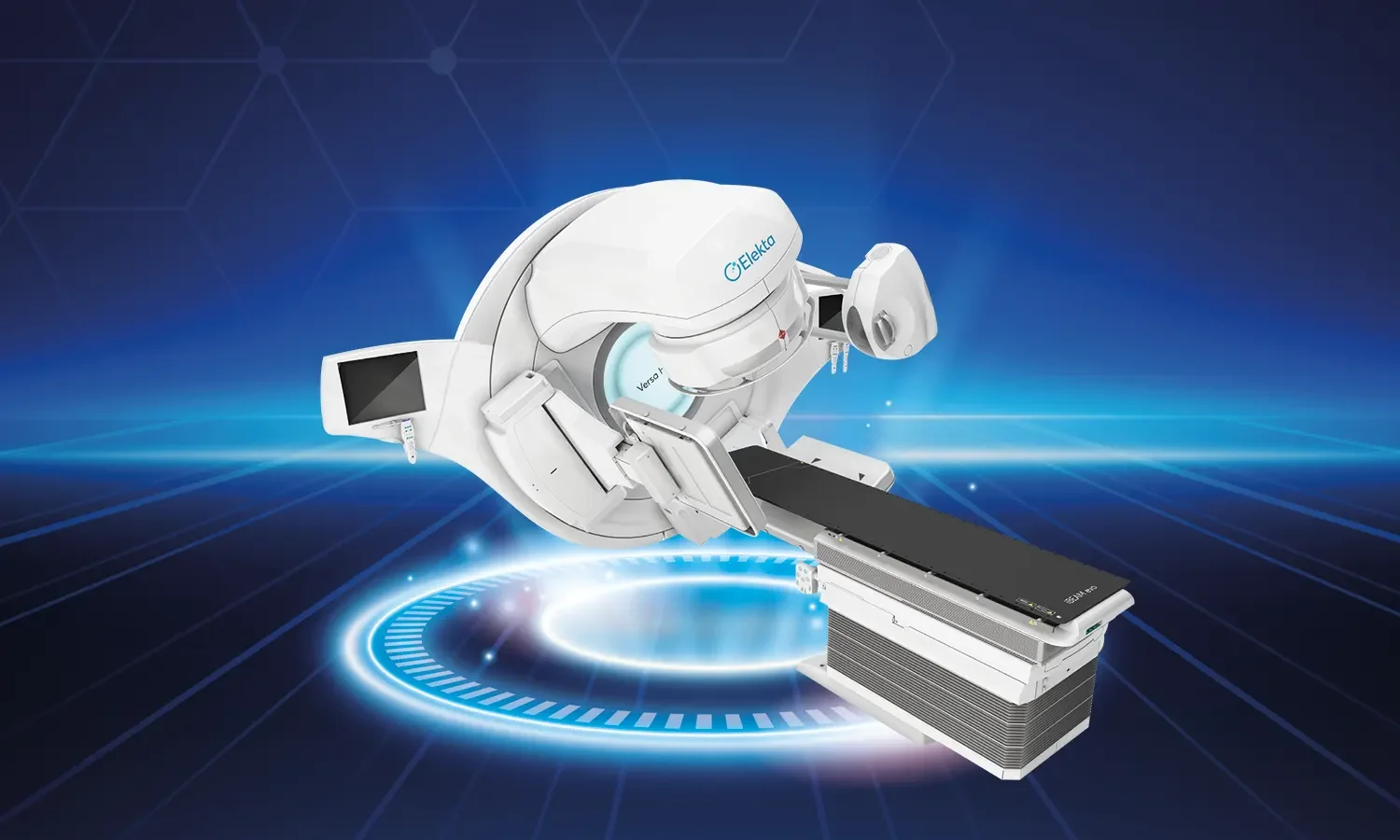
Kadın hastalıkları ve doğumda Da Vinci robotik cerrahi, geleneksel açık cerrahiye kıyasla daha az invazif bir yaklaşım sunar. Bu teknoloji, bir cerrahın robotik kolları kullanarak cerrahi işlemleri gerçekleştirdiği bir sistemdir. Da Vinci cerrahi sistemi, cerrahın ameliyatı daha hassas bir şekilde yönetmesine, daha küçük kesiler yapmasına ve daha az kan kaybıyla iyileşme sürecini hızlandırmasına olanak tanır. Üç boyutlu yüksek çözünürlüklü görüntüleme ve insan elinden çok daha geniş hareket açısına sahip robotik kollar sayesinde dar anatomik bölgelerde dahi son derece hassas işlemler yapılabilmektedir. Modern jinekolojik cerrahide altın standart haline gelen bu teknoloji, hastalara daha az ağrı, daha kısa hastane kalış süresi ve daha hızlı iyileşme imk├ónı sunmaktadır.
Da Vinci Robotik Cerrahinin Çalışma Prensibi
Sistem, cerrahın bir konsoldan kontrol ettiği dört adet robotik koldan oluşur. Bu kollardan biri yüksek çözünürlüklü kamera taşırken diğer üçü cerrahi aletleri kullanır. Cerrah, konsolda oturarak ameliyat sahasını üç boyutlu ve büyütülmüş şekilde görür. El hareketleri robotik kollara filtrelenerek aktarılır, böylece titreme elenir ve son derece hassas hareketler mümkün olur. Robotik aletler 540 dereceye kadar dönebilen bilekleriyle insan elinden çok daha geniş açılarda hareket edebilir. Bu sayede dar pelvis bölgelerinde, derin yapışıklık olan vakalarda ve obez hastalarda dahi başarılı sonuçlar elde edilebilir. Sistem aynı zamanda cerrahın ergonomik bir pozisyonda çalışmasını sağlar ve uzun süren ameliyatlarda yorgunluğu azaltır.
Hangi Hastalıklarda Kullanılır
Histerektomi (Rahim Alma)
Histerektomi, rahmin alınması işlemidir. Da Vinci robotik cerrahi, histerektominin gerçekleştirilmesinde kullanılabilir. Bu teknoloji, daha küçük kesilerle daha hassas bir şekilde rahmi çıkarmayı sağlar, bu da iyileşme sürecini hızlandırabilir ve hasta konforunu artırabilir. Özellikle obez hastalarda, geçirilmiş ameliyat öyküsü olanlarda ve büyük rahimlerde robotik yaklaşım önemli avantajlar sağlar. İyi huylu rahim hastalıkları kadar erken evre rahim kanserlerinde de güvenle uygulanabilir.
Myomektomi (Myom Alma)
Myomektomi, rahimdeki miyomların cerrahi olarak çıkarılması işlemidir. Da Vinci robotik cerrahi, myomektominin gerçekleştirilmesinde kullanılabilir. Bu teknoloji, miyomları daha hassas bir şekilde çıkarabilir ve rahmi koruyarak hastaların doğurganlığını koruyabilir. Çoklu myom varlığında veya derin yerleşimli myomlarda dikiş atma kabiliyetinin yüksek olması büyük avantajdır. Robotik dikiş tekniği sayesinde rahim duvarı sağlamlığı korunur ve sonraki gebeliklerde uterin rüptür riski en aza indirilir.
Endometriozis Tedavisi
Endometriozis, rahim içindeki dokunun rahim dışına doğru büyümesi durumudur. Da Vinci robotik cerrahi, endometriozisin cerrahi olarak tedavi edilmesinde kullanılabilir. Bu teknoloji, cerrahın endometriozis lezyonlarını daha hassas bir şekilde çıkarmasına ve hastanın semptomlarını hafifletmesine yardımcı olabilir. Derin infiltratif endometriozis vakalarında bağırsak ve mesane gibi komşu organlar korunarak detaylı diseksiyon yapılabilir. Kronik pelvik ağrı şikayeti olan ve kısırlık problemi yaşayan hastalarda yaşam kalitesinde belirgin iyileşme sağlanır.
Üreme Organlarının Onarımı ve Onkolojik Cerrahi
Da Vinci robotik cerrahi, üreme organlarının (rahim, yumurtalıklar, fallop tüpleri) onarılmasında da kullanılabilir. Örneğin, tüplerin onarımı veya yumurtalık kistlerinin çıkarılması gibi prosedürlerde kullanılabilir. Pelvik organ prolapsusu ve sakrokolpopeksi gibi rekonstrüktif işlemler de robotik yaklaşımla başarıyla uygulanmaktadır. Erken evre jinekolojik kanserlerin cerrahi tedavisinde lenf nodu diseksiyonu dahil tüm onkolojik prensipler robotik yöntemle yerine getirilebilir.
Da Vinci Robotik Cerrahinin Avantajları
- Daha küçük kesiler: Sadece birkaç milimetrelik girişlerle ameliyat tamamlanır.
- Azalmış kan kaybı: Hassas diseksiyon kanama miktarını minimum düzeye indirir.
- Daha az ağrı: Postoperatif ağrı belirgin şekilde azalır ve ağrı kesici ihtiyacı düşer.
- Hızlı iyileşme: Hastane kalış süresi kısalır ve günlük yaşama dönüş hızlanır.
- Daha iyi kozmetik sonuç: Küçük kesiler estetik açıdan daha tatmin edici izler bırakır.
- Düşük komplikasyon oranı: Enfeksiyon ve yara yeri sorunları azalır.
- Üç boyutlu görüş: Cerrah ameliyat sahasını derinlik algısıyla birlikte yüksek çözünürlükte izler.
- Hassas dikiş kabiliyeti: Robotik bilek ile zor anatomik bölgelerde dahi rahatlıkla dikiş atılabilir.
Tedavi Süreci
Tedavi süreci ayrıntılı bir muayene ve görüntüleme tetkikleriyle başlar. Hastanın genel sağlık durumu, hastalığın evresi ve anatomik özellikler değerlendirilerek robotik cerrahinin uygunluğu belirlenir. Kan tahlilleri, EKG, akciğer grafisi ve gerektiğinde MR ile detaylı haritalama yapılır. Ameliyat genel anestezi altında yapılır ve karın bölgesine birkaç adet 8 milimetrelik trokar yerleştirilir. Karın gaz ile şişirilerek çalışma alanı oluşturulur ve robotik kollar bağlanır. İşlem süresi hastalığa göre değişmekle birlikte genellikle iki ile dört saat arasındadır. Hastalar çoğunlukla bir veya iki gün içinde taburcu edilir ve iki hafta içinde normal aktivitelerine dönebilir. Ağır kaldırma ve cinsel ilişki gibi aktiviteler için altı haftalık bir bekleme süresi önerilir.
Dikkat Edilmesi Gerekenler
Robotik cerrahi her hasta için uygun olmayabilir. Çok ileri evre kanserlerde, ciddi karın içi yapışıklıklarda veya bazı kalp ve akciğer hastalıklarında alternatif yöntemler değerlendirilebilir. Ameliyat öncesinde sigara kullanımının bırakılması, kullanılan ilaçların doktora bildirilmesi ve önerilen tetkiklerin yapılması başarıyı artırır. Ameliyat sonrası dönemde önerilen aktivite kısıtlamalarına uyulması iyileşme sürecini olumlu etkiler. Yara yerlerinin temiz ve kuru tutulması, uygun beslenme programının takip edilmesi ve doktorun belirttiği ilaçların düzenli kullanılması iyileşmeyi hızlandırır. Ateş, aşırı ağrı veya kanama durumlarında derhal hastaneye başvurulmalıdır. Kontrol muayenelerine düzenli olarak gidilmesi uzun dönem sonuçların izlenmesi açısından önemlidir.
Hasta Konforu ve İyileşme
Robotik cerrahi sonrası hastalar geleneksel cerrahiye kıyasla çok daha az ağrı kesici ihtiyacı duyar. Aktif yaşama dönüş süresi ortalama olarak yarı yarıya kısalmaktadır. Ofis çalışanları yaklaşık iki hafta içinde işlerine dönerken, ağır iş yapanlar dört ile altı hafta içinde tam aktiviteye geçebilir. Cinsel yaşam ve doğurganlık üzerindeki etkilerin minimum düzeyde olması, robotik cerrahiyi özellikle genç hastalar için tercih sebebi yapmaktadır. Ameliyat öncesi ve sonrası fizyoterapi destekli rehabilitasyon programları iyileşme sürecini hızlandırır.
Koru Hastanesi olarak, alanında uzman jinekolog kadromuz ve son teknoloji Da Vinci robotik cerrahi sistemimizle hastalarımıza dünya standartlarında tedavi imkanı sunuyoruz. Kadın sağlığında en az invaziv ve en hassas tedavi seçeneklerini uygulayarak hastalarımızın yaşam kalitesini en üst düzeye çıkarmayı hedefliyoruz.