Gynecologic oncology is a medical field concerned with the diagnosis, treatment, and management of cancers affecting the female reproductive system. These cancers include various types of malignancies that affect female reproductive organs, known as gynecologic cancers. Gynecologic oncology encompasses the diagnosis, surgical treatment, chemotherapy, radiotherapy, and other treatment modalities for cancers of the female reproductive organs, such as the uterus, ovaries, cervix, vagina, and vulva. This specialized field provides comprehensive care to patients by combining advanced surgical techniques with current oncological treatment approaches. Modern gynecologic oncology is a holistic approach that covers not only the treatment of cancer but also the preservation of the patient's quality of life, the maintenance of fertility where possible, and the follow-up of long-term health.
Working Principles of Gynecologic Oncology
Gynecologic oncology specialists work to develop early diagnosis and effective treatment methods for gynecologic cancers. These specialists adopt a multidisciplinary approach to control the spread of cancer and improve the quality of life of patients. This multidisciplinary team may include surgeons, medical oncologists, radiation oncologists, pathologists, radiologists, and other healthcare professionals. The treatment plan is determined individually for each patient, taking into account the type, stage, and genetic characteristics of the cancer, as well as the patient's general health status. Patient cases are discussed in detail during regular meetings called tumor boards, and the most appropriate treatment approach is decided. In this way, personalized and evidence-based treatment is offered to every patient.
Conditions Treated
Uterine Cancer (Endometrial Cancer)
This is a cancer that originates in the inner lining of the uterus (endometrium). It is generally more common in postmenopausal women. Abnormal vaginal bleeding is the most frequent presenting symptom. When diagnosed at an early stage, treatment success is quite high, and surgical treatment is the primary approach. Risk factors include obesity, diabetes, late menopause, and hormone therapy. Hysterectomy and lymph node dissection performed via robotic or laparoscopic surgery are the standard treatments.
Ovarian Cancer
This is a cancer that originates in the ovaries. It often does not show symptoms in the early stages and is usually diagnosed at advanced stages. Vague symptoms such as abdominal bloating, indigestion, and increased urinary frequency may occur. In treatment, chemotherapy is often combined with surgery. Targeted therapies such as PARP inhibitors provide significant benefits in patients carrying BRCA gene mutations. The success of cytoreductive surgery directly affects long-term survival.
Cervical Cancer
This is a cancer that originates in the cervix. Human papillomavirus (HPV) infection is one of the main causes of this cancer. It is a largely preventable type of cancer through regular smear screening and HPV vaccination. While conization or simple hysterectomy may be sufficient in the early stages, radical surgery and radiochemotherapy may be required in advanced stages. Fertility-sparing surgical options are evaluated in young patients.
Vaginal and Vulvar Cancer
These are cancers that originate on the vaginal walls or the vulva. They are rare types of cancer and are usually detected at an advanced age. They may manifest with symptoms such as itching, lesions, and bleeding. Combinations of surgery, radiotherapy, and chemotherapy are used in treatment. Modern techniques such as sentinel lymph node biopsy reduce complication rates.
Advantages of Gynecologic Oncology
- Multidisciplinary approach: The expertise of different specialties is combined under one roof.
- Individualized treatment: A specific treatment plan is created for each patient's cancer.
- Advanced surgical techniques: Robotic and laparoscopic surgery options are offered.
- Targeted therapies: Special drugs can be used based on molecular and genetic characteristics.
- Fertility-sparing options: Fertility is preserved whenever possible in young patients.
- Comprehensive supportive care: Nutrition, psychological support, and pain management are provided in an integrated manner.
- Immunotherapy options: Modern treatments that strengthen the immune system can be applied.
- Clinical trials: Offers early access to new treatment methods.
Treatment Process
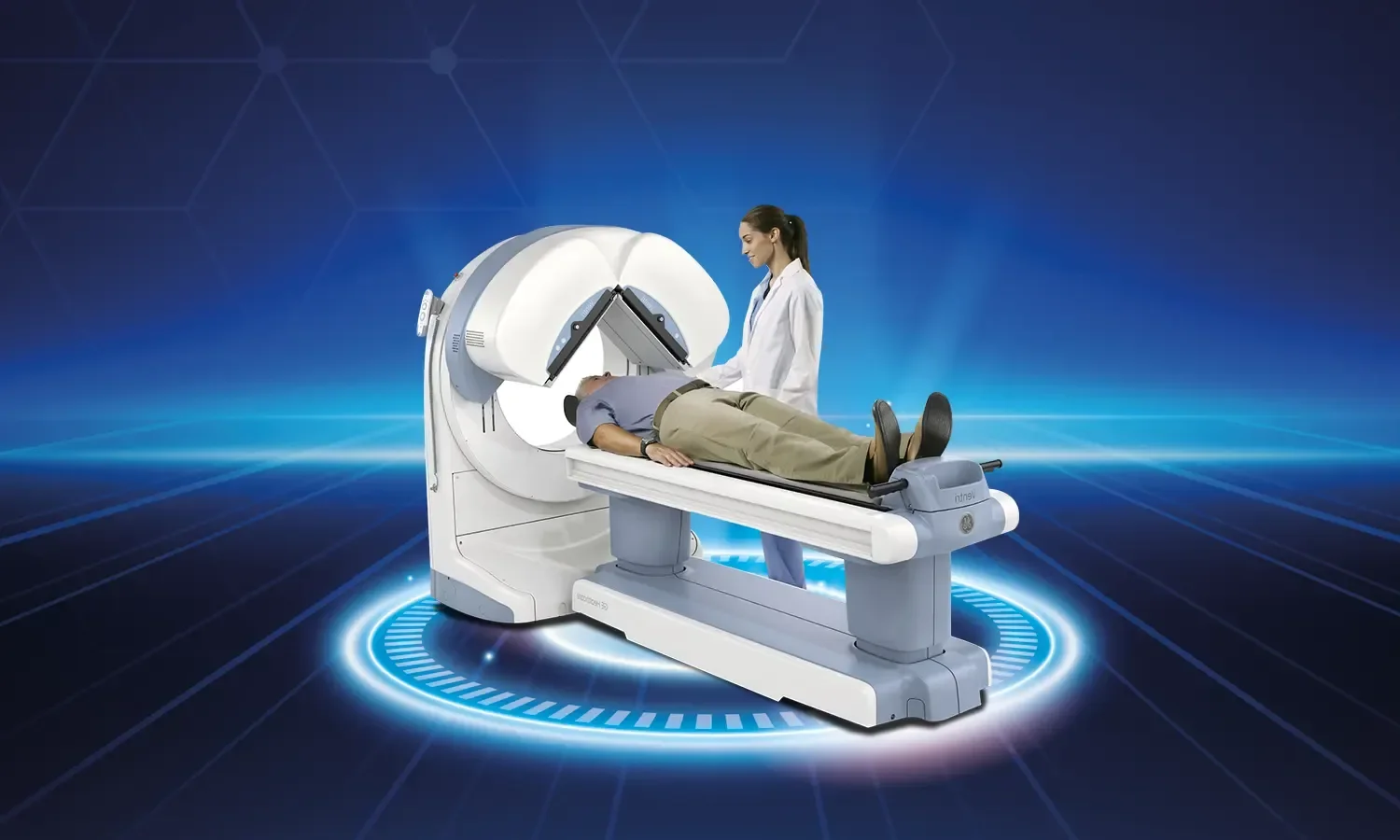
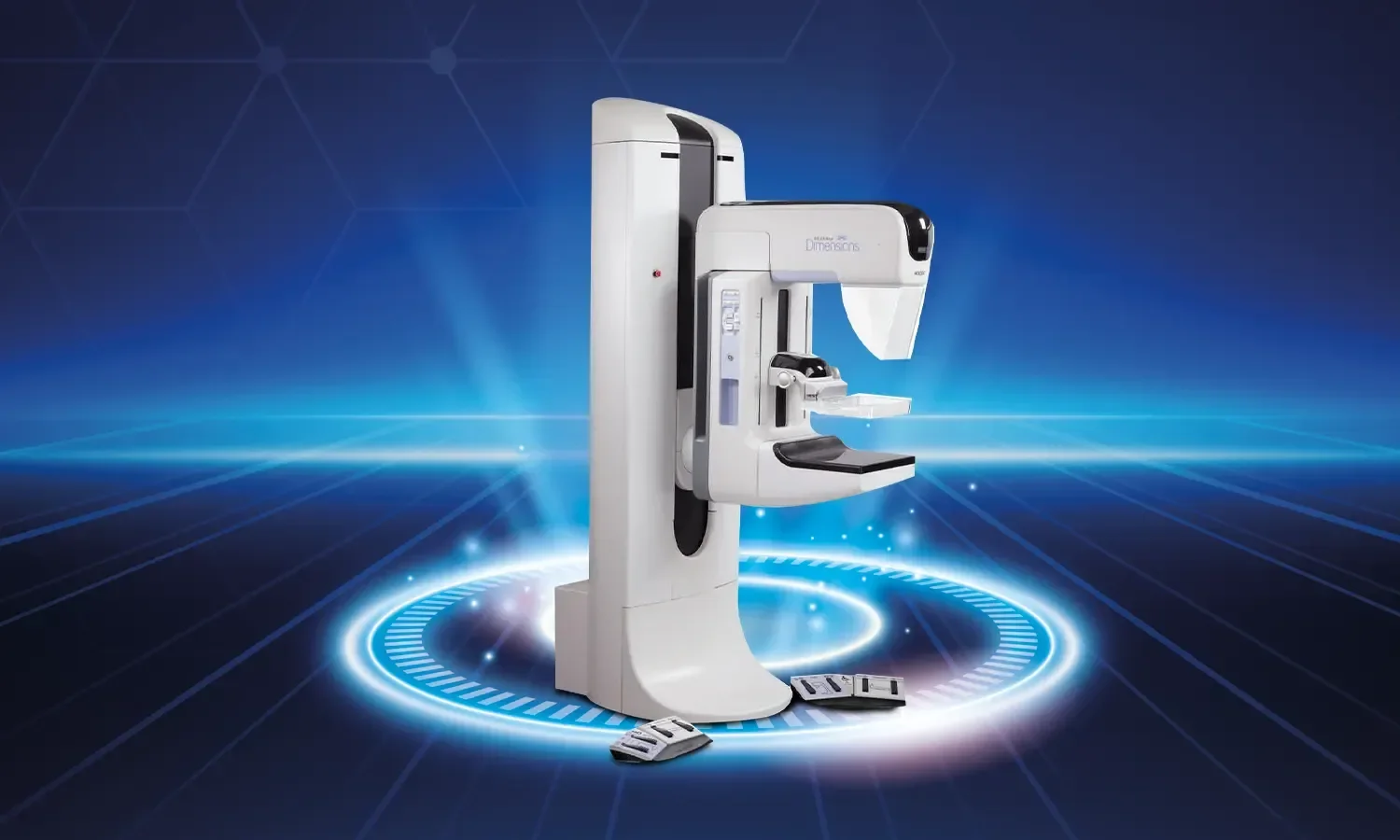
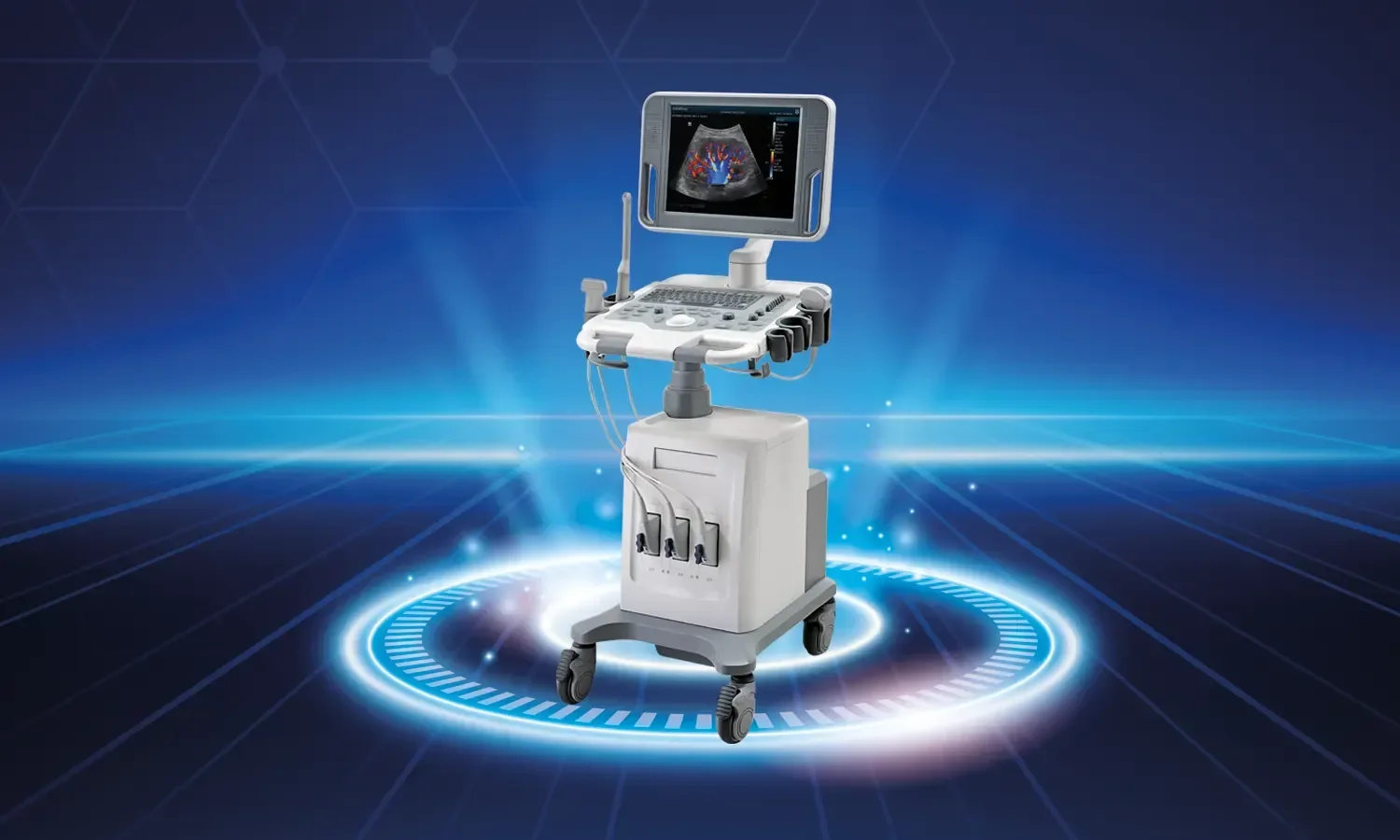
The treatment process begins with a detailed medical history, physical examination, and imaging studies. Advanced imaging methods such as magnetic resonance imaging (MRI), computed tomography (CT), and PET-CT are used to evaluate the spread of cancer. Tumor markers are measured via blood tests, and a biopsy is performed when necessary. After the pathological diagnosis, the treatment plan is determined by the tumor board. Surgical treatment often constitutes the first step, followed by chemotherapy, radiotherapy, or targeted therapies if necessary. The patient is evaluated regularly during the treatment process, and the treatment plan is updated as needed. The post-treatment follow-up program continues for many years, and careful monitoring for recurrence is performed.
Important Considerations
Regular gynecologic examinations and cancer screening tests are important because early diagnosis is critical in the treatment of cancers. Smear tests, HPV tests, and HPV vaccination in appropriate age groups should be performed. Women with a family history of breast or ovarian cancer are advised to seek genetic counseling. Symptoms such as abnormal bleeding, abdominal bloating, and rapid weight loss should not be ignored, and a specialist should be consulted. Lifestyle changes such as healthy eating, regular exercise, and not smoking reduce the risk of cancer. During the treatment process, family support and psychological counseling have a positive effect on the recovery process. Follow-up appointments after treatment should not be missed, and recommended screening tests should be performed regularly.
Modern Approaches in Oncological Surgery
Modern approaches in gynecologic oncology include sentinel lymph node biopsy, fluorescence imaging with indocyanine green, and robotic surgery. Thanks to these techniques, unnecessary lymph node removal is prevented, and the risk of long-term complications such as lymphedema is reduced. Immunotherapy and targeted therapies provide promising results in advanced-stage cancers. While angiogenesis inhibitors such as bevacizumab are used in ovarian cancer, immune checkpoint inhibitors show effective results in uterine cancer. Post-treatment fertility preservation programs are of priority importance for our young patients.
As Koru Hospital, our experienced gynecologic oncology team provides comprehensive services in the diagnosis and treatment of female cancers with our state-of-the-art imaging and surgical facilities. In addition to medical treatment, we continue to stand by our patients throughout the entire treatment process by providing psychological and social support.