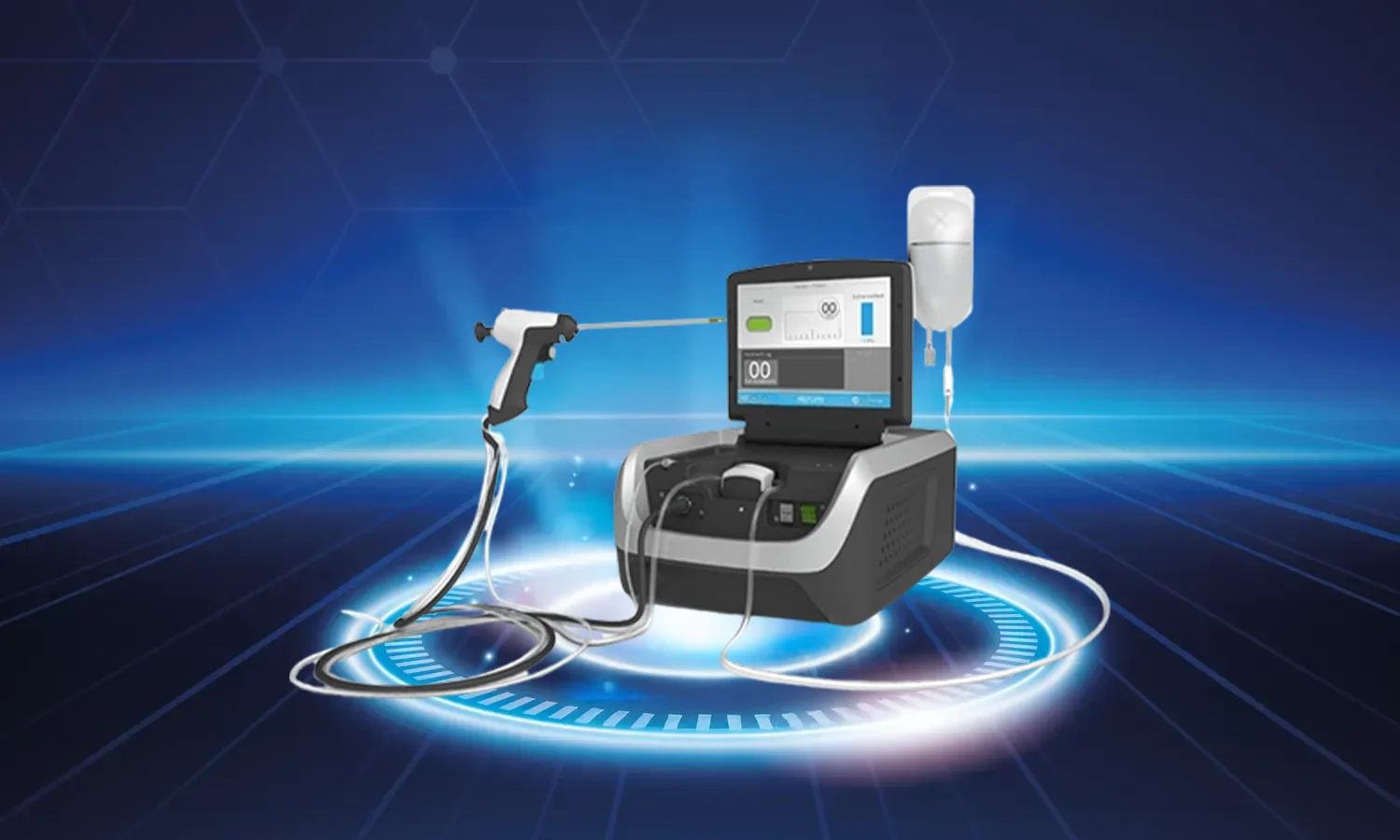
Atrial fibrillation (AF) is a common heart rhythm disorder characterized by the irregular and rapid quivering of the atria, one of the upper chambers of the heart. Cryoablation therapy is a minimally invasive surgical procedure used in the treatment of atrial fibrillation. This method involves the application of cold energy to specific areas of the atrium to correct the abnormal electrical activity caused by atrial fibrillation. This procedure, known as pulmonary vein isolation, ensures the electrical isolation of the pulmonary veins, which are the most significant source regions for atrial fibrillation. Performed in modern electrophysiology laboratories, this procedure stands out as a treatment option that significantly improves the quality of life for patients who do not respond to medication.
Working Principle of Cryoablation
Cryoablation is performed using a special catheter system with a balloon at its tip. After the balloon is placed at the ostium of the pulmonary vein, liquid nitrous oxide is delivered in gaseous form, cooling the balloon surface to between minus 40 and minus 60 degrees Celsius. This cold creates a controlled freeze in the tissue at the pulmonary vein ostium, preventing abnormal electrical conduction. As the tissues heal after treatment, scar tissue forms, permanently blocking electrical conduction. Since the entire pulmonary vein can be treated circumferentially with a single balloon, the procedure time is shortened. Thanks to the homogeneous distribution of cold energy, the risk of complications such as vascular stenosis is reduced.
Conditions Treated
Paroxysmal Atrial Fibrillation
This is a type of atrial fibrillation that starts and stops on its own. Cryoablation is the treatment method with the highest success rate in these patients and is preferred as a primary option in cases that do not respond to medication. When applied in the early stages, it can prevent atrial fibrillation from becoming permanent.
Persistent Atrial Fibrillation
This is a type of atrial fibrillation that lasts longer than seven days and requires intervention. Cryoablation can yield successful results in these patients as well, although additional ablation procedures may sometimes be necessary. Success rates are higher in patients whose left atrial diameter is not significantly enlarged and who do not have long-standing AF.
Drug-Resistant Atrial Fibrillation
Cryoablation offers an effective alternative in cases where atrial fibrillation episodes persist despite antiarrhythmic medication or where the patient experiences side effects from the medication. It provides a permanent solution for patients who cannot use antiarrhythmic drugs due to liver, thyroid, or pulmonary toxicity.
Symptomatic Patients
Cryoablation significantly improves the quality of life for patients whose daily lives are notably affected by symptoms such as palpitations, shortness of breath, and fatigue. It is the preferred choice for young patients with an active lifestyle who wish to maintain a normal sinus rhythm.
AF with Heart Failure
In heart failure patients with a low ejection fraction, atrial fibrillation leads to an exacerbation of symptoms. In these patients, cryoablation allows for both the correction of the rhythm and the improvement of cardiac function.
Procedural Steps of Cryoablation
Catheter Access
The procedure usually begins with the insertion of a catheter through a small incision in a vein in the groin area (femoral vein). This catheter is advanced into the atrium and used to target the areas where atrial fibrillation originates. Access to the left atrium is gained via transseptal puncture, and the balloon catheter is positioned at the pulmonary vein ostium.
Cold Energy Application
The catheter is advanced into the atrium, and cold gas or liquid (usually nitrogen or argon gas) is injected into specific areas where atrial fibrillation originates. This cold energy aims to stop abnormal electrical activity by freezing the tissue on the inner surface of the atrium. Cooling is applied to each pulmonary vein for 180 to 240 seconds. Phrenic nerve stimulation is performed to protect diaphragm function.
Imaging and Evaluation
During the procedure, electrophysiological mapping or imaging techniques are used to monitor the position of the catheter and the effect of the applied energy. This allows for the assessment of the procedure's efficacy and the performance of additional interventions if necessary. At the end of the procedure, the complete isolation of the pulmonary veins is verified through electrical testing. An adenosine test is performed to check for any dormant conduction.
Advantages of Cryoablation
- Less heat-related damage: Cryoablation generates less heat compared to radiofrequency ablation, which means less thermal damage to the tissues.
- Lower risk of complications: The risk of heat-related complications is lower, and the procedure is generally safer.
- Faster recovery: Cryoablation is less invasive than traditional ablation methods and generally offers a faster recovery time.
- Short procedure time: Pulmonary vein isolation is completed in a shorter time with a single balloon.
- High success rate: A long-term success rate of 70 to 80 percent is achieved in paroxysmal atrial fibrillation.
- Significant increase in quality of life: Palpitation episodes decrease, and the patient returns to their normal life.
- Possibility of a permanent solution: It is a treatment option that eliminates drug dependency.
- Reduced risk of stroke: By restoring normal rhythm, the risk of stroke associated with atrial fibrillation is reduced.
Treatment Process
A detailed cardiological evaluation is performed before the procedure, and a transesophageal echocardiogram is used to check for blood clots in the left atrium. Pulmonary vein anatomy is mapped via CT or MRI. The procedure is usually performed under light sedation and lasts two to three hours. The patient is discharged after being kept under observation in the hospital for one day. The use of blood-thinning medication is recommended for three months following the procedure, and rhythm monitoring is conducted through regular check-ups. Rhythm control is periodically evaluated with ambulatory ECG and Holter devices. The first three months are referred to as the early recurrence period for achieving the full benefit of the procedure.
Points to Consider
Cryoablation therapy may not be suitable for every patient, and the treatment option should be determined based on the patient's general health status and the characteristics of the atrial fibrillation. It is important to consult a cardiologist to obtain information about treatment options and to determine the most appropriate one. The first three months after the procedure are called the early recurrence period, and rhythm disturbances seen during this time do not mean permanent failure. Regular use of blood-thinning medications, salt restriction, and reducing alcohol and caffeine consumption increase treatment success. Conditions that increase the risk of atrial fibrillation, such as obesity and sleep apnea, must be treated. Attending follow-up appointments regularly and not changing medication treatment without a doctor's recommendation is of great importance.
As Koru Hospital, we offer safe and effective treatment options to our atrial fibrillation patients with our experienced electrophysiology team and state-of-the-art catheter ablation laboratory. We continue to provide our patients with the capabilities of modern medicine in the management of heart rhythm disorders.