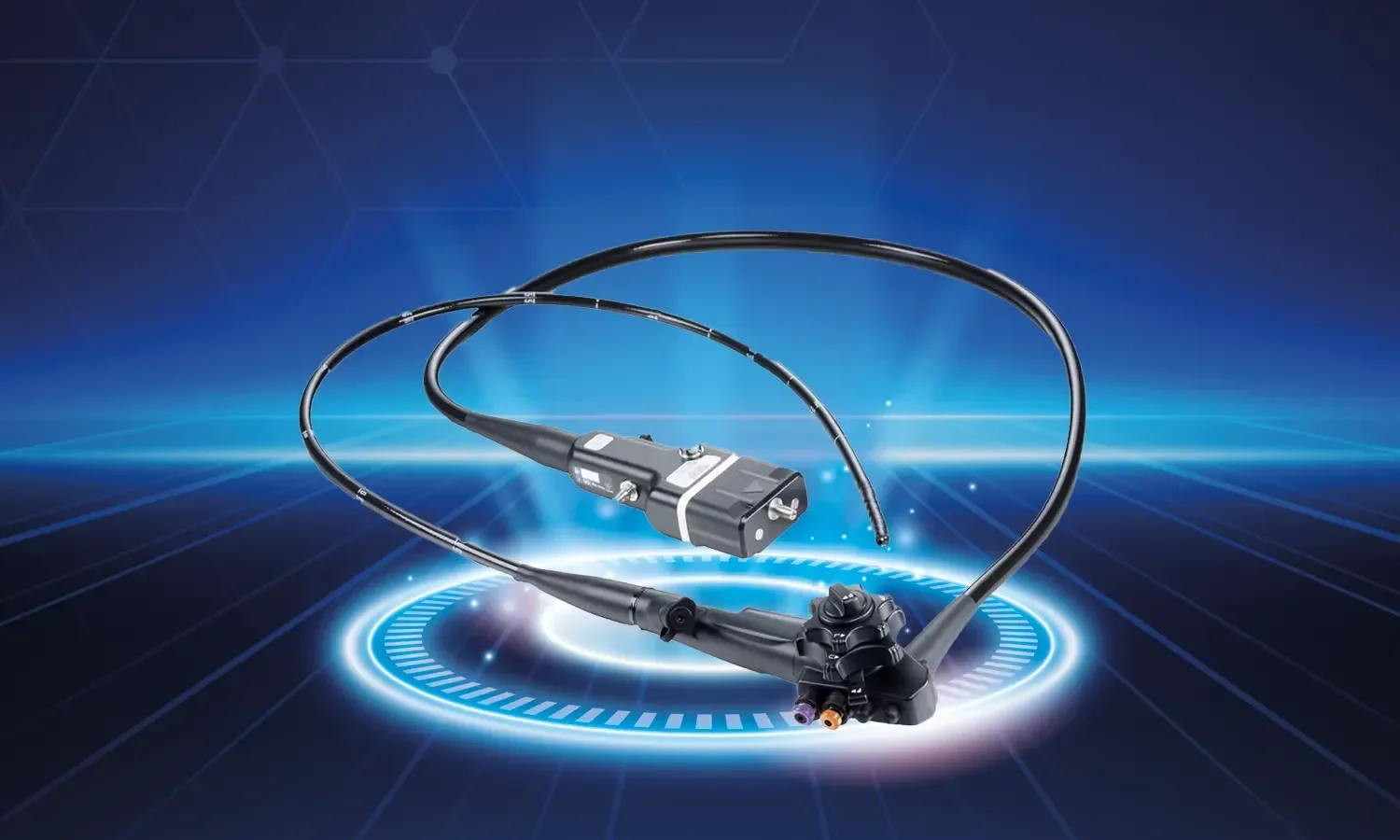
Endoskopi, bir tıbbi prosedür sırasında vücudun iç kısımlarının görsel olarak incelenmesini sağlayan bir tanı ve tedavi yöntemidir. Bu prosedür sırasında, esnek ve ışıklı bir tüp olan endoskop vücuda doğrudan yerleştirilir. Endoskop genellikle ağız, burun, yutak veya anal bölge gibi doğal vücut açıklıklarından, bazen de cerrahi yollarla yerleştirilir. Endoskopi günümüzde hem tanı hem de tedavi amacıyla yaygın olarak kullanılan, yüksek doğruluk oranına sahip bir yöntemdir ve modern tıbbın temel araçlarından biridir.
Endoskopi Nasıl Çalışır?
Endoskopun ucunda bir kamera ve ışık kaynağı bulunur. Bu kamera, iç organların ve dokuların görüntülerini bir ekrana yansıtır; böylece doktorlar incelemeyi gerçek zamanlı olarak görebilir. Endoskopi çeşitli iç organların, özellikle sindirim sistemi (yemek borusu, mide, bağırsaklar) ve solunum sistemi (bronşlar) organlarının incelenmesinde kullanılır. Cihazın ucundaki çalışma kanalından biyopsi forsepsi, polip alma sepetleri, koter, klips ve lazer fiberleri gibi aletler geçirilebilir; bu sayede aynı seansta tedavi işlemleri de gerçekleştirilebilir.
Modern endoskoplar yüksek çözünürlüklü görüntüleme, zoom (yakınlaştırma), dar bant görüntüleme (NBI) ve kromoendoskopi gibi gelişmiş özelliklerle donatılmıştır. Bu özellikler, çıplak gözle ayırt edilmesi güç küçük lezyonların tespit edilmesini sağlar ve özellikle kanser taramasında erken tanıyı mümkün kılar. Görüntüler dijital olarak kayıt altına alınabilir, böylece zaman içinde değişikliklerin takibi yapılabilir.
Endoskopi Türleri
- Gastroskopi (Üst Endoskopi): Mide, yemek borusu ve onikiparmak bağırsağının incelenmesinde kullanılır.
- Kolonoskopi (Alt Endoskopi): Kalın bağırsak ve rektumun iç kısımlarının incelenmesinde kullanılır.
- Bronkoskopi: Solunum sistemi organlarının (bronşlar ve akciğerler) incelenmesinde kullanılır.
- Rinoskopi ve laringoskopi: Burun boşluğu ve gırtlağın incelenmesinde kullanılır.
- Sistoskopi: Mesane ve idrar yollarının incelenmesinde kullanılır.
- ERCP: Safra ve pankreas kanallarının görüntülenmesinde ve tedavisinde kullanılır.
- Kapsül endoskopi: İnce bağırsağın non-invaziv görüntülenmesinde kullanılır.
- Enteroskopi: İnce bağırsağın derinlemesine incelenmesi için kullanılır.
Hangi Hastalıklarda Kullanılır?
- Reflü, gastrit ve mide ülserleri
- Yemek borusu ve mide kanseri taraması
- Polip ve tümörlerin tespiti ve çıkarılması
- Kronik karın ağrısı, yutma güçlüğü ve sindirim şikayetlerinin nedenlerinin araştırılması
- Sindirim sistemi kanamalarının tespiti ve durdurulması
- Helicobacter pylori enfeksiyonunun teşhisi
- Akciğer ve solunum yolu hastalıklarının değerlendirilmesi
- Çölyak hastalığının tanısı
- İltihabi bağırsak hastalıklarının (Crohn, ülseratif kolit) değerlendirilmesi
- Yabancı cisim çıkarılması
- Beslenme tüpü yerleştirilmesi
Endoskopinin Avantajları
- Vücut dışında kesi veya yara izi oluşturmayan minimal invaziv yaklaşım
- Aynı seansta hem tanı hem tedavi imk├ónı
- Biyopsi alarak doku örneği inceleyebilme
- Erken evre kanser tespitinde kritik rol
- Hızlı işlem süresi ve aynı gün taburculuk
- Düşük komplikasyon riski
- Sedasyon altında ağrısız uygulama
- Cerrahiyi engelleyebilen veya geciktirebilen tedavi olanağı
- Düzenli takip ve hastalıkların ilerlemesini önleme imk├ónı
- Görüntülerin dijital kayıt altına alınmasıyla zaman içinde karşılaştırma
Tanısal ve Tedavi Edici Endoskopi
Endoskopi sadece tanı koymakla kalmaz, aynı zamanda pek çok hastalığın tedavisinde de kullanılır. Polip çıkarılması, kanama odaklarının kapatılması, varislerin bantlanması, darlıkların genişletilmesi, stent yerleştirilmesi ve yabancı cisim çıkarılması endoskopi ile gerçekleştirilebilen tedavi edici işlemlerdendir. Özellikle sindirim sistemi kanamalarında acil endoskopi hayat kurtarıcı olabilir. Modern endoskopi pratiğinde endoskopik mukozal rezeksiyon (EMR) ve endoskopik submukozal diseksiyon (ESD) gibi gelişmiş teknikler ile erken evre kanserler cerrahi gerektirmeden çıkarılabilmekte; bu da hastaların daha az invaziv tedavi alarak yaşam kalitelerini korumalarına imk├ón sağlamaktadır.
İşlem Süreci
Endoskopi öncesinde hastanın belirli bir süre aç kalması gerekir; üst endoskopi için genellikle 6-8 saat, kolonoskopi için ise bağırsak temizliği yapılması önerilir. İşlem genellikle sedasyon altında yapıldığı için hasta ağrı veya rahatsızlık hissetmez. Endoskop, doğal vücut açıklığından yavaşça ilerletilir ve incelenmek istenen bölgeye ulaşıldığında ayrıntılı görüntüler elde edilir. Şüpheli alanlardan biyopsi alınabilir, polip varsa çıkarılabilir ya da kanama kaynakları kapatılabilir. İşlem süresi türüne göre 10-45 dakika arasında değişir. Sedasyon etkisi geçtikten sonra hasta gözlem altında tutulur, ardından evine gönderilir.
Patoloji sonuçları genellikle birkaç gün içinde hazır olur. Endoskopi sırasında saptanan sorunlara göre tedavi yaklaşımı belirlenir. Bazı durumlarda endoskopi belirli aralıklarla tekrarlanarak takip yapılır; bu özellikle Barrett özofagus, atrofik gastrit veya polip öyküsü olan hastalarda önemlidir.
Dikkat Edilmesi Gerekenler
Endoskopi genellikle güvenli bir prosedürdür; ancak nadir durumlarda kanama, perforasyon, enfeksiyon ya da sedasyona bağlı reaksiyonlar gibi komplikasyonlar görülebilir. İşlem öncesi kullanılan ilaçlar, özellikle kan sulandırıcılar, alerjiler ve kronik hastalıklar mutlaka hekime bildirilmelidir. Sedasyon nedeniyle işlem günü araç kullanılmamalı, önemli kararlar alınmamalı ve mümkünse bir refakatçiyle hareket edilmelidir. İşlem sonrası hafif boğaz ağrısı, şişkinlik veya gaz çıkışı normal olup kısa sürede geçer. Endoskopi öncesinde, özellikle kalp kapak hastalığı veya bağışıklık sistemi baskılanmış hastalarda antibiyotik koruması gerekebilir. Hekimin verdiği tüm hazırlık talimatlarına eksiksiz uyulması, işlemin başarısı ve güvenliği açısından kritik öneme sahiptir.
Koru Hastanesi'nde Endoskopi
Koru Hastanesi olarak, endoskopi ünitemizde gastroenteroloji, göğüs hastalıkları, üroloji ve genel cerrahi alanlarında deneyimli uzman ekiplerimizle hizmet sunmaktayız. İleri teknoloji yüksek çözünürlüklü endoskopi sistemleri, NBI ve kromoendoskopi özellikleri, hijyen standartlarına tam uyum sağlayan otomatik dezenfeksiyon ünitemiz ve deneyimli anestezi kadromuz ile hastalarımıza güvenli ve konforlu bir işlem deneyimi sağlıyoruz. Tüm endoskopik girişimlerde patoloji laboratuvarımızın hızlı desteği ile tanı süreci kısa tutulmakta, gerekli tedaviler aynı ekip tarafından koordine edilmektedir. Hastalarımız işlem öncesinde detaylı şekilde bilgilendirilmekte, hazırlık süreci adım adım anlatılmakta ve sürecin her aşamasında refakatçilerine bilgi verilmektedir. Modern hasta odaları ve yetkin hemşire kadromuzla işlem sonrası iyileşme dönemini de en konforlu şekilde geçirmenizi sağlıyoruz. Koru Hastanesi olarak amacımız, sindirim ve solunum sistemi hastalıklarını erken evrede tespit ederek hastalarımızın sağlık ve yaşam kalitesini en üst seviyede korumak, kişiye özel tanı ve tedavi planlarıyla onları sağlıklı bir geleceğe taşımaktır.